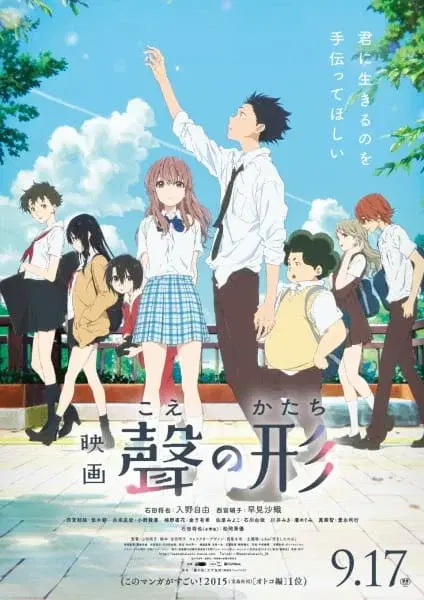
A Silent Voice Specials
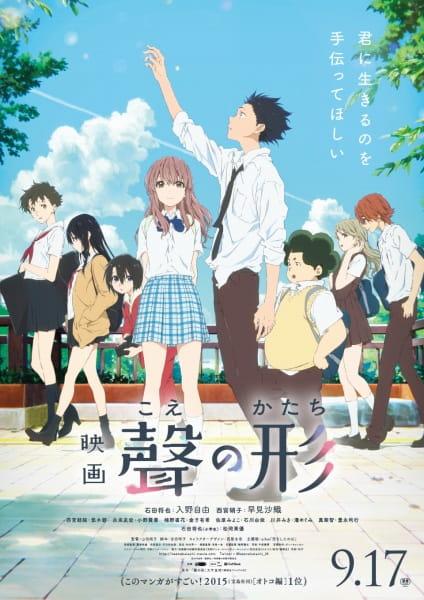
聲の形 (Koe no Katachi Specials)
- Drama
- Romance
- Slice of Life
- Music
- Episodes
- 2
- Duration
- 2 min per ep
- Aired
- May 17, 2017
- Status
- Finished Airing
Synopsis
The limited first-edition Blu-ray release of Kyoto Animation’s film adaptation of Yoshitoki Ōima’s *A Silent Voice* includes two newly animated bonus music videos: one set to AIKO’s theme song “Koi wo Shita no wa,” and another featuring Kensuke Ushio’s in-film track “Speed of Youth.”
Produced by Kyoto Animation and created in response to the music, both videos were storyboarded and technically directed by the film’s director, Naoko Yamada.
Otaku Consensus
A Silent Voice Specials lands as a graceful appendix rather than an essential new chapter: Naoko Yamada’s storyboarding and Kyoto Animation’s delicate visual timing give both music videos the emotional afterglow associated with the film. Fans and critics respond best to the direction, original animation cuts, and the way aiko’s theme and Kensuke Ushio’s “Speed of Youth” are treated as visual material, while the recurring complaint is that the 3-minute and 2-minute formats feel too slight and occasionally too abstract to satisfy viewers expecting more character drama.
Why You Should Watch
Watch these specials if what stayed with you after A Silent Voice was not the plot machinery, but the pauses: feet on pavement, faces half-turned, nature shots that carry more feeling than dialogue. These are not deleted scenes or a sequel hook; they are Kyoto Animation music videos built for viewers who want Naoko Yamada’s sense of rhythm in its most concentrated form. If you like anime where music dictates emotional structure rather than simply decorating it, the pairing of aiko’s “Koi wo Shita no wa” with Kensuke Ushio’s “Speed of Youth” makes this a compact companion piece. It is best for fans who want a quiet visual coda without new exposition, extra melodrama, or a need to reopen the film’s full narrative weight.
Key Characters
- SShoya Ishida
Fans tend to read Ishida through posture and hesitation as much as dialogue, which makes him especially suited to these nearly wordless music-video fragments.
- SShoko Nishimiya
Nishimiya’s presence keeps the specials tied to the film’s core concern with disability and communication, even when the format shifts away from conventional scene writing.
What Makes It Stand Out
- 1
Both shorts were included with the limited first-edition Blu-ray release, making them companion pieces tied to the film’s home-video life rather than standard televised bonus episodes.
- 2
Naoko Yamada storyboarded and technically directed the videos herself, so the specials preserve the film director’s control over shot rhythm instead of outsourcing the bonus material to a detached promotional unit.
- 3
The two tracks frame different sides of the film’s musical identity: aiko’s vocal theme song “Koi wo Shita no wa” and Kensuke Ushio’s in-film composition “Speed of Youth.”
- 4
User responses specifically note that much of the animation appears to be original material, with attention on the main pair, Ishida’s friend, and nature imagery rather than recycled highlight footage.
- 5
The structure is unusually compressed even by OVA standards, with one video running about three minutes and the other about two, making pacing and visual clarity more decisive than dialogue or scene construction.
Fun Facts & Trivia
- Fun fact 1
- The specials aired on May 17, 2017, after the 2016 film had already established Kyoto Animation’s adaptation as a major modern drama title.
- Fun fact 2
- AniList categorizes the specials with unusually music-forward tagging, including Musical Theater at 73%, alongside Male Protagonist and Disability at 73% and Female Protagonist at 60%.
- Fun fact 3
- Reception is modest but steady for bonus material: MyAnimeList lists a 7.11 score from 7,936 votes, while AniList records a 70/100 score and 119 favourites.
- Fun fact 4
- The MAL rank and popularity figures, #4288 and #4867 respectively, reflect how niche these shorts are compared with the parent film despite sharing its studio, director, and musical identity.
- Fun fact 5
- The source connection remains explicit through Yoshitoki Ooima’s original creator credit, while the specials themselves are shaped around music rather than additional manga-adaptation material.
Studios
- Kyoto Animation