Ninkuu
忍空
- Adventure
- Martial Arts
- Super Power
- Military
- Episodes
- 55
- Duration
- 24 min per ep
- Aired
- Jan 14, 1995 to Feb 24, 1996
- Status
- Finished Airing
Synopsis
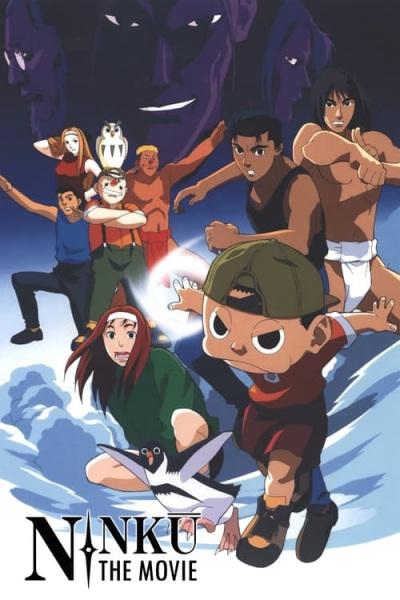
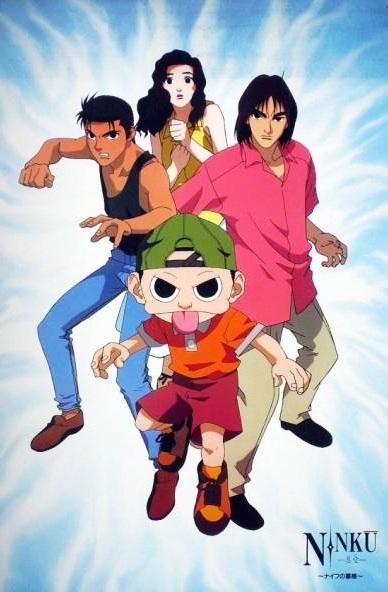
In a time marked by conflict, the Ninku warriors once stood as formidable defenders, battling against the Imperial Army until their eventual downfall. Following the war, the surviving imperial forces rebranded themselves as protectors of the realm, manipulating public perception to paint the Ninku as the true aggressors. Amidst this turmoil, Fusuke, a seemingly youthful figure yet the former captain of the first Ninku division, embarks on a quest to find his mother, who was captured during the conflict.
As he journeys through a world rife with danger, Fusuke encounters Aicho and Touji, fellow ex-captains of the Ninku who share his resolve. Together, they strive to reclaim their legacy and confront the imperial forces that threaten the remnants of their clan. With unique abilities and a shared history, the trio must navigate a landscape where their ancient techniques are coveted by those seeking power, all while they fight to protect the last vestiges of the Ninku heritage.
Otaku Consensus
Noriyuki Abe and Studio Pierrot turn limited source material into an unusually independent adaptation, earning praise for energetic martial-arts fights, likable leads, and a direct pace that several fans find more satisfying than its modest reputation suggests. That freedom also produces the series’ central weakness: inconsistent comedy and pacing sit beside underdeveloped lore, leaving its action and emotional beats stronger than its world-building. The result is a rough but influential piece of 1990s shounen rather than a definitive translation of Kouji Kiriyama’s manga.
Why You Should Watch
Watch Ninkuu if you want ninja shounen built around battle-tested veterans rather than an extended climb from academy novice to elite fighter. Its 55-episode run combines martial arts, specialized superpowers, military conflict, and distinctly 1990s Studio Pierrot animation, with fights valued for readable movement rather than layers of exposition. The series is especially revealing as a piece of genre history: Masashi Kishimoto’s acknowledged inspiration makes its DNA visible throughout Naruto, yet Ninkuu is stranger, leaner, and less codified than the franchise it helped inspire. It also suits viewers who can accept abrupt tonal swings in exchange for an adaptation willing to reinvent its source, replacing the manga’s principal enemy faction and building a largely original television continuity around its core cast.
Key Characters
- FFuusuke(VA: Rica Matsumoto)
Fuusuke overturns the standard novice-hero template: his childlike appearance conceals an established combat reputation, and fans frequently cite that contrast as the series’ defining hook.
- AAicho(VA: Mitsuaki Madono)
Aicho belongs to an ensemble of experienced former captains, allowing the central relationships to operate between martial peers rather than through a conventional master-and-student hierarchy.
- TTouji(VA: Juurouta Kosugi)
Touji completes the veteran trio and reinforces the show’s unusual decision to build its shounen chemistry around comrades with shared history instead of newly assembled rookies.
What Makes It Stand Out
- 1
The television series is not a close manga transcription: with relatively little published material available and no specific direction from Jump editorial or Kouji Kiriyama, the anime constructed a substantially different storyline.
- 2
One of the adaptation’s largest structural changes was replacing the manga’s hostile faction of Ninku remnants with the Imperial Government’s army, pushing the television version further toward military adventure.
- 3
Studio Pierrot sustained the production for 55 episodes under director Noriyuki Abe, with Hiroshi Hashimoto handling series composition and Hideko Ikeda credited for literary arts.
- 4
Fight choreography and animation are the franchise’s most consistently praised craft elements; contemporary reviewers Chris Beveridge and Mike Toole also highlighted the related Ninkuu movie’s action when evaluating its Yu Yu Hakusho double-feature release.
- 5
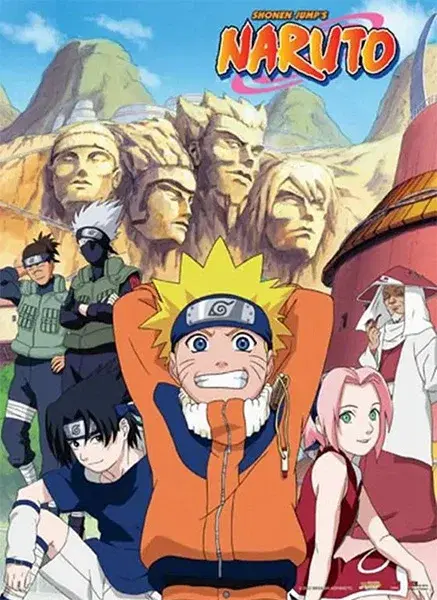
Its historical footprint exceeds its present visibility: Anime News Network reported that Ninkuu inspired Masashi Kishimoto to create Naruto, making the series a direct predecessor to one of modern shounen’s defining ninja franchises.
Fun Facts & Trivia
- Fun fact 1
- The anime’s creative independence was not imposed through detailed editorial mandates: according to production commentary summarized by Manga Musings, the staff received no specific orders or input from either Weekly Shounen Jump’s editors or the mangaka.
- Fun fact 2
- Director Noriyuki Abe was later announced to direct the NARUTO×NINKŪ crossover project, reconnecting the original inspiration with the franchise it helped shape.
- Fun fact 3
- Character-design duties were shared by Tetsuya Nishio and Mari Kitayama, while Shigenori Takada served as art director, Yuuji Ikeda handled art design, Mika Iwami oversaw color design, and Toshiyuki Fukushima directed photography.
- Fun fact 4
- Its reception illustrates its cult status: Ninkuu holds a 7.01 average from 2,025 MyAnimeList votes, while AniList records a lower 64/100 score and only 25 favourites despite the series’ documented influence.
Studios
- Studio Pierrot