Mrs. Sazae
サザエさん (Sazae-san)
- Comedy
- Educational
- Duration
- 24 min
- Aired
- Oct 5, 1969 to ?
- Status
- Currently Airing
Synopsis
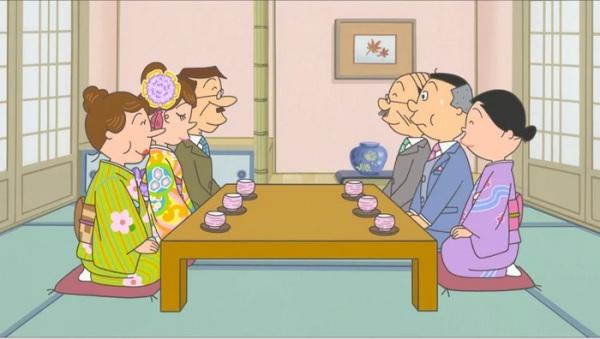
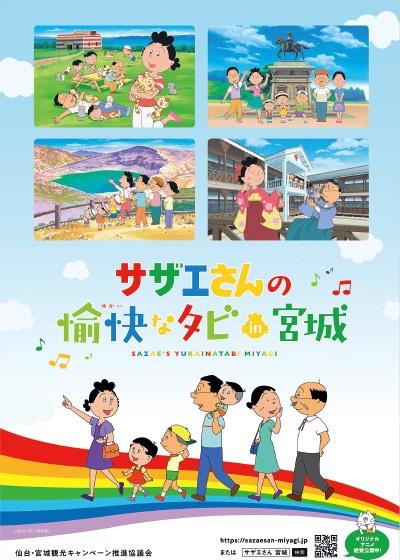
Mrs. Sazae presents a slice-of-life narrative centered around Sazae, a devoted mother navigating the joys and challenges of family life. Residing in a cozy household with her husband, children, and parents, she embodies the essence of traditional family values while engaging in relatable day-to-day adventures. Each episode captures the simplicity of her life, from mundane errands to the humorous trials of raising kids, all delivered with warmth and charm.
This beloved series offers a delightful glimpse into Japanese domestic life, emphasizing the little moments that resonate universally. While it may lack the action or fantastical elements found in other genres, its heartwarming portrayals and gentle humor have made it a staple in Japanese households for decades, appealing to audiences of all ages. Mrs. Sazae stands as a testament to the enduring appeal of family-centric storytelling, making it a cherished classic in the world of anime.
Otaku Consensus
Mrs. Sazae endures less as a conventional prestige anime than as Japan’s most durable animated household ritual, with Eiken’s deliberately plain direction, short-form gag pacing, and faithful preservation of Machiko Hasegawa’s newspaper-comic sensibility doing the heavy lifting. Its international scores reflect a real divide: viewers attuned to episodic domestic comedy find its restraint and generational ensemble historically valuable, while modern anime fans often criticize the static production style and near-total absence of narrative escalation.
Why You Should Watch
Watch Mrs. Sazae if you want the anti-binge anime: a half-hour built around recognizable family behavior, social habits, and small comic reversals rather than cliffhangers, power systems, or seasonal arcs. It scratches a similar itch to Chibi Maruko-chan and Atashin'chi, but from an older, more adult domestic angle, with a female lead who anchors the household instead of simply observing it. The appeal is anthropological as much as comic: Eiken’s long-running format preserves postwar newspaper-manga timing, old-school TV gag construction, and a model of Japanese family entertainment that newer slice-of-life shows often inherit without resembling. If you are curious about the roots of televised anime as a weekly living-room institution, this is essential context.
Key Characters
- SSazae Fuguta(VA: Midori Katou)
Sazae is memorable because she functions as both comic instigator and domestic center, giving the series a female-led perspective that predates most modern slice-of-life anime.
- MMasuo Fuguta(VA: Hiroshi Masuoka)
Masuo’s mild, conciliatory presence makes him a classic TV-anime counterweight to louder household personalities rather than a traditional assertive sitcom father.
- TTarao Fuguta(VA: Takako Sasuga)
Tarao gives the ensemble its youngest viewpoint, with humor built around childlike literalness instead of exaggerated anime precocity.
- NNamihei Isono(VA: Ichiro Nagai)
Namihei is the stern elder figure fans associate with the show’s old-family rhythm, often embodying authority while remaining part of the joke.
What Makes It Stand Out
- 1
Eiken’s production approach is intentionally conservative, relying on clean designs, limited animation, and readable staging rather than the spectacle-driven cuts associated with later TV anime.
- 2
The series has aired continuously since October 5, 1969, making its ongoing status part of its identity rather than a production footnote.
- 3
Its structure favors short, self-contained domestic vignettes, preserving the rhythm of Machiko Hasegawa’s comic-strip origins instead of building toward arcs or finales.
- 4
The ensemble is genuinely intergenerational: parents, children, and grandparents all function as comic agents, which separates it from school-centered slice-of-life series.
- 5
Kunihiro Kawano’s credited music supports an old broadcast-TV identity, using functional, familiar comedy scoring rather than a soundtrack designed for standalone album appeal.
Fun Facts & Trivia
- Fun fact 1
- Mrs. Sazae is widely recognized as the longest-running animated television series, with its 1969 debut placing it decades before the modern seasonal anime model.
- Fun fact 2
- Original creator Machiko Hasegawa was one of Japan’s major pioneering women in manga, and Sazae-san began as a newspaper comic before becoming a TV fixture.
- Fun fact 3
- Midori Katou is strongly associated with Sazae because she has voiced the character from the anime’s earliest era, an unusually long performer-character link in television animation.
- Fun fact 4
- The anime’s MAL score of 6.16 and AniList score of 55 show how differently it lands outside its domestic cultural context: historically central, but not easily rated by modern international anime standards.
- Fun fact 5
- AniList’s strongest tags for the series are Educational, Family Life, and Female Protagonist, which accurately place it closer to social-observation comedy than to fantasy, romance, or action traditions.
Studios
- Eiken