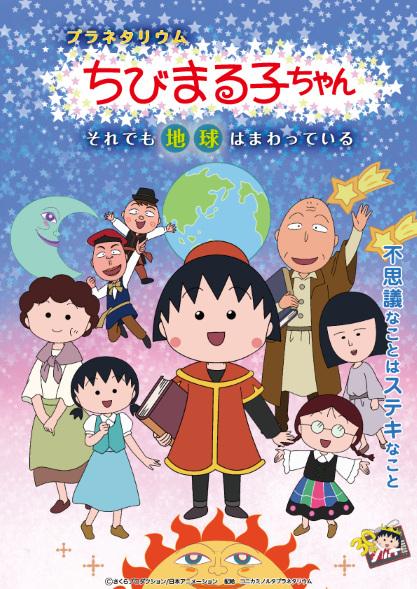
Little Miss Maruko
ちびまる子ちゃん (Chibi Maruko-chan (1995))
- Comedy
- School
- Duration
- 23 min
- Aired
- Jan 8, 1995 to ?
- Status
- Currently Airing
Synopsis
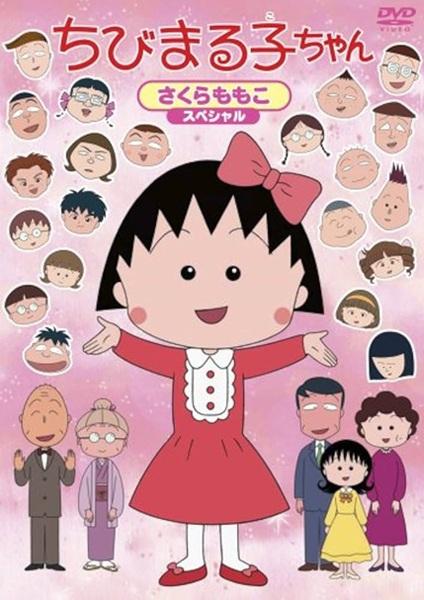
Momoko Sakura, affectionately known as "Chibi Maruko-chan," is a spirited elementary school girl with a love for popular idol Momoe Yamaguchi and a passion for manga. Living in a quaint town with her family, including her parents, grandparents, and older sister, Maruko navigates the ups and downs of childhood alongside her vibrant group of friends.
Her school days are filled with laughter and camaraderie as she engages in everyday adventures with companions like the cheerful Tama-chan, the diligent student committee members Maruo-kun and Migiwa-san, and the lively B-class trio: the charming Hanawa-kun, the playful Hamaji-Bu Taro, and the energetic Sekiguchi-kun. Through its heartwarming vignettes, this series captures the joy found in the small moments of life, inviting viewers to relish the simplicity and humor of childhood.
Otaku Consensus
Little Miss Maruko earns its durable 7.45 MAL score and 71/100 AniList score less through spectacle than through disciplined, creator-guided slice-of-life craft: Nippon Animation’s steady episodic pacing, Momoko Sakura’s continued writing presence, and even Masaaki Yuasa’s contribution to the first opening give the 1995 run a sharper pedigree than its modest international popularity suggests. The main criticism is built into its appeal: the school-comedy format is deliberately small, repetitive, and low-stakes, so viewers looking for escalation, arcs, or modern anime velocity may find it static.
Why You Should Watch
Watch Little Miss Maruko if you want a long-form comfort comedy that treats elementary-school embarrassment, family chatter, and classroom rituals as the main event without turning them into melodrama. It scratches a similar everyday-life itch to Sazae-san, but with a more child-centered, chibi-styled point of view, and it is gentler than the chaos-driven comedy of Crayon Shin-chan. The appeal is not binge momentum; it is precision-of-observation, the kind of series where a small social misunderstanding or childish fixation can carry an episode. Its 1995 run also has unusual authorship value: original creator Momoko Sakura is credited not only as creator but also for script work and extensive theme-song lyrics, giving the adaptation a direct line to the manga’s comic sensibility.
Key Characters
- MMomoko Sakura(VA: Tarako)
Momoko Sakura is remembered less as a conventional heroine than as a sharply observed child-comedy lens, with Tarako’s performance helping define the character’s mischievous, self-conscious rhythm for generations of viewers.
What Makes It Stand Out
- 1
The 1995 series is a Nippon Animation production that has been airing since January 8, 1995, placing it in the rare category of Japanese TV anime built for long-term weekly familiarity rather than seasonal completion.
- 2
Its structure is explicitly episodic, with AniList tagging it as Episodic at 60%, which makes the series function more like recurring social comedy than plot-driven school anime.
- 3
Original creator Momoko Sakura is credited for both the source and script work, and she also wrote lyrics for many opening and ending themes, including OP/ED entries 2–4, 6, 7, and 9–13, plus Japanese lyrics for ED 1.
- 4
The first opening has a notable staff credit from Masaaki Yuasa, who is listed for both storyboard and animation direction on OP1, a striking connection for viewers interested in later auteur anime careers.
- 5
The show’s database footprint is unusual: despite a respectable MAL score of 7.45 from 2,410 votes and a MAL rank of #2375, its MAL popularity sits at #7708, reflecting a classic domestic institution with a comparatively niche overseas anime-database audience.
Fun Facts & Trivia
- Fun fact 1
- Momoko Sakura’s involvement goes beyond being the original creator: the research data credits her with script work and a long list of theme-song lyric credits, making this adaptation unusually author-facing for a long-running TV anime.
- Fun fact 2
- Ado and Kahimi Karie are both listed among the opening theme performers, giving the series theme-song credits that span very different corners of Japanese pop culture.
- Fun fact 3
- Junzou Nakajima is credited for planning, while Makoto Katou is credited as episode director on episodes 770, 775, 778, 783, 786, and 791, and also as storyboard artist for episode 791.
- Fun fact 4
- AniList’s strongest tags cluster around Kids, School, Chibi, and Female Protagonist, all at 79%, which neatly explains why the series reads more as observational childhood comedy than as a conventional gag-battle or coming-of-age anime.
- Fun fact 5
- The series has only 55 AniList favourites in the provided data, a small number compared with its long broadcast history, underscoring the gap between its cultural longevity and its international database visibility.
Studios
- Nippon Animation
No community data yet. Be the first to add Little Miss Maruko to your list!