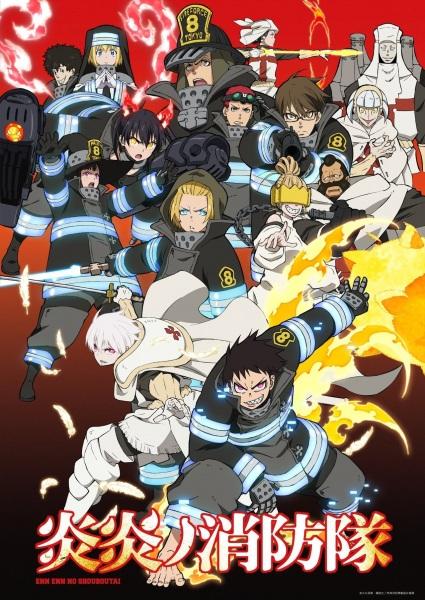
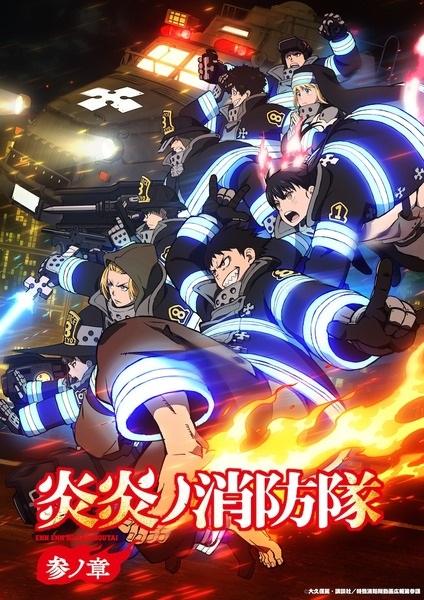
Fire Force Season 2
炎炎ノ消防隊 弐ノ章 (Enen no Shouboutai: Ni no Shou)
- Action
- Fantasy
- Sci-Fi
- Urban Fantasy
- Episodes
- 24
- Duration
- 24 min per ep
- Aired
- Jul 4, 2020 to Dec 12, 2020
- Status
- Finished Airing
Synopsis
After his clash with his younger brother, Shou, in the Nether, Shinra Kusakabe’s determination to become a true hero only deepens. He sets his sights on finding a way to restore Infernals to human form, uncovering the secrets behind the Evangelist and the Adolla Burst, and reaching the truth about what happened to his family—yet the threat closing in around him makes those goals feel increasingly out of reach.
The Evangelist moves to collect the eight Pillars, bearers of the Adolla Burst, intending to sacrifice them and revive the Great Cataclysm from 250 years ago. When the First Pillar reveals that another Pillar is soon to appear, Shinra commits to protecting those targeted, drawing the Special Fire Force into a widening conflict. As the battles intensify, Shinra and his allies dig deeper into the Great Cataclysm, the nature of Adolla Burst, and the mysteries behind spontaneous human combustion.
Otaku Consensus
Fire Force Season 2 is widely received as a stronger, more confident sequel: Tatsuma Minamikawa’s combined direction and series-composition role gives the 24-episode run cleaner escalation, while David Production’s action staging lands harder in showcase bouts like Shinra vs. Arthur. Critics and fans point to richer character work and more satisfying lore answers as the upgrade over Season 1, with the recurring complaint that the series’ comic antics can still interrupt its darker religious and post-apocalyptic atmosphere.
Why You Should Watch
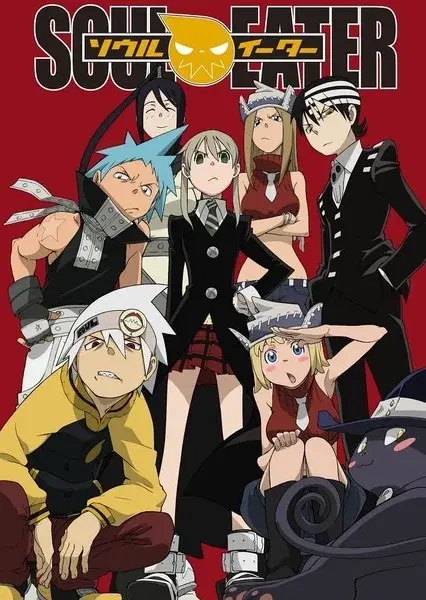
Watch Fire Force Season 2 if you want a battle shounen that treats its power system like an urban disaster response manual, not just a list of special attacks. It scratches the same itch as Soul Eater in its Atsushi Ookubo taste for grotesque fantasy iconography, but filters it through squads, uniforms, cathedrals, industrial ruins, and military procedure. Viewers who like Jujutsu Kaisen-style team combat and Bleach-style faction mythology will get plenty here, without the season turning into a tournament detour. The appeal is the combination: David Production’s crisp impact-heavy fights, a cast that works best as an ensemble, and a world where firefighting, religion, lost civilization lore, and demonic imagery all belong to the same system.
Key Characters
- SShinra Kusakabe
Season 2 makes Shinra more compelling by tying his speed-fighter confidence to institutional suspicion, religious mythology, and the pressure of being treated as both asset and threat.
- SShou
Shou remains the emotional counterweight to Shinra, giving the series a personal axis that keeps its expanding cosmology from becoming abstract lore dumping.
- AArthur
Arthur is the fan-favorite chaos variable whose absurd knight persona turns a straightforward rival dynamic into one of the season’s most discussed combat showcases.
- FFirst Pillar
The First Pillar gives the season its eerie prophetic charge, shifting the conflict from local emergencies into a mythology with apocalyptic stakes.
What Makes It Stand Out
- 1
David Production’s second-season work was singled out in reviews for visual improvements, with background scenery and character designs considered at least on par with Season 1. The studio’s strength here is not just motion, but the clean readability of powers, uniforms, machinery, and urban destruction in the same frame.
- 2
Tatsuma Minamikawa handled both directing and series composition, giving the season a more unified sense of momentum than a sequel divided between separate creative leads. That matters because Season 2 balances firefighting incidents, faction conflict, character comedy, and mythology-heavy reveals across a full 24 episodes.
- 3
The Shinra vs. Arthur fight is repeatedly cited by viewers as a standout Season 2 set piece. Its reputation comes from pairing high-energy choreography with a character rivalry that is funny, competitive, and narratively useful rather than decorative.
- 4
The season leans harder into Fire Force’s hybrid identity: AniList’s strongest tags include Firefighters, Shounen, Super Power, Urban Fantasy, Post-Apocalyptic, Religion, Demons, Lost Civilization, Dystopian, Rescue, Nun, and Military. That tag spread explains why the show feels different from a standard city-based action series despite using a familiar shounen framework.
- 5
Season 2 is structured as an expansion season rather than a reset: fan and critic responses note that it answers important lore questions while giving the cast more layers. That makes it especially rewarding for viewers who found Season 1 stylish but wanted the worldbuilding to pay off more directly.
Fun Facts & Trivia
- Fun fact 1
- Atsushi Ookubo is credited as the original creator, and Season 2 keeps his signature mix of grotesque fantasy design, comedy timing, and occult-leaning shounen worldbuilding intact.
- Fun fact 2
- The production credits list Hideyuki Morioka as character designer, Yoshio Kozakai as sub-character designer, and Hiroyuki Ookaji, Kazuhiro Miwa, and Riki Matsuura on design works, reflecting how much of the show’s identity depends on uniforms, equipment, insignia, and creature design.
- Fun fact 3
- Kazuhiro Miwa appears twice in the key production credits, both under design works and as a main animator alongside Yasuto Hirohara, making him one of the notable recurring visual contributors on the season.
- Fun fact 4
- The season aired as a complete 24-episode run from July 4, 2020 to December 12, 2020, giving it enough room for both large-scale action arcs and slower lore-focused material rather than compressing the sequel into a single cour.
- Fun fact 5
- Its reception is consistent across major anime-tracking communities: the research data lists a 7.82/10 MAL score from over 500,000 votes and an AniList score of 78/100 with 6,196 favourites, matching the broader consensus that Season 2 improved on the first season without fully escaping its tonal quirks.
Studios
- David Production