Himouto! Umaru-chan
干物妹!うまるちゃん
- Comedy
- Otaku Culture
- School
- Episodes
- 12
- Duration
- 24 min per ep
- Aired
- Jul 9, 2015 to Sep 24, 2015
- Status
- Finished Airing
Synopsis
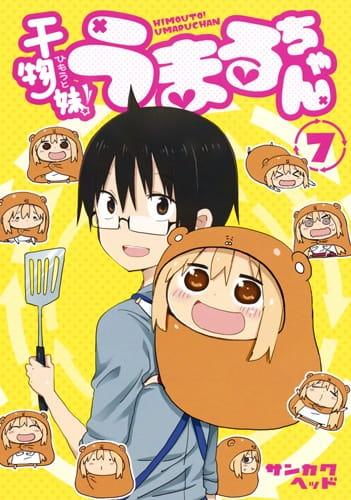
Umaru Doma is the picture of perfection at school: polished, popular, and effortlessly accomplished. At home, though, she trades that ideal image for her beloved hamster hoodie and reveals a very different side—an unapologetically lazy, snack-loving otaku who expects her dependable older brother, Taihei, to handle the chores and keep everything running.
Between relaxed hangouts with Nana Ebina and Kirie Motoba and playful clashes with her self-declared “rival,” Sylphinford Tachibana, Umaru’s double life fuels a steady stream of everyday comedy. Along the way, the story settles into the warm rhythm of sibling give-and-take and the small but lasting connections Umaru builds with the people around her.
Otaku Consensus
Himouto! Umaru-chan lands as a divisive but durable Doga Kobo comedy: fans reward Masahiko Oota’s brisk gag direction, Takashi Aoshima’s sketch-friendly series composition, and the expressive chibi escalation that turns small domestic irritations into full comic set pieces. Its strongest material is the Umaru-Taihei push-pull, but the recurring criticism is just as specific: viewers who find Umaru’s selfishness abrasive often feel the season offers too little payoff or growth to balance the joke.
Why You Should Watch
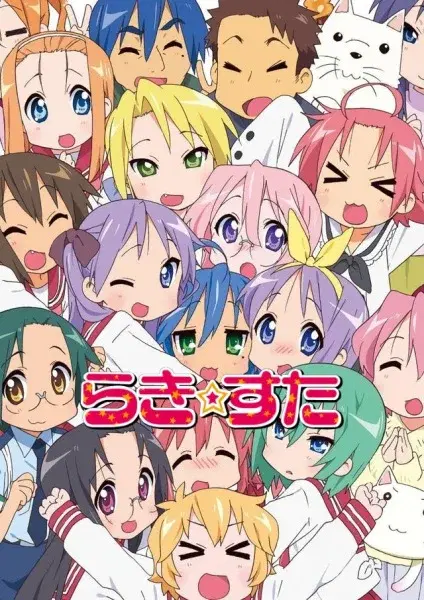
Watch Himouto! Umaru-chan if you want otaku-culture comedy built from timing, facial deformation, snack-fueled rituals, and sibling friction rather than romance, lore, or dramatic stakes. It scratches a neighboring itch to Lucky Star’s pop-culture lounging and Doga Kobo-style cute-girl ensemble comedy, but with a sharper two-person engine: Aimi Tanaka’s hyperactive Umaru bouncing off Kenji Nojima’s exhausted straight man, Taihei. The 12-episode length keeps it easy to sample, and the appeal is very specific: viewers who enjoy chibi exaggeration, school-life contrast, and everyday absurdity will find a meme-friendly comfort watch. Viewers who need their comedy leads to be morally pleasant from episode one should know the show’s biggest joke is also its biggest filter.
Key Characters
- TTaihei Doma(VA: Kenji Nojima)
Taihei is the series’ indispensable straight man, a responsible older brother whose patience gives the comedy a human baseline instead of letting the chaos float unanchored.
- UUmaru Doma(VA: Aimi Tanaka)
Umaru is one of 2015’s more polarizing comedy leads, loved for her elastic chibi tantrums and otaku excess while criticized for how far the show lets her selfishness run.
What Makes It Stand Out
- 1
Doga Kobo’s adaptation leans into chibi comedy as a core visual language, a choice echoed by AniList users tagging the show Chibi at 77% and Otaku Culture at 92%.
- 2
The season is structured for short-form escalation rather than arc-driven payoff, with Masahiko Oota directing and Takashi Aoshima handling series composition across 12 episodes.
- 3
Aimi Tanaka does double duty as Umaru’s voice and the performer of both the opening and ending themes, tying the character’s loud screen identity directly to the show’s music branding.
- 4
The reception split is unusually clean for a slice-of-life comedy: its MAL popularity sits high at #314 with over 407,000 votes, while its 7.09 score and AniList 68/100 point to broad exposure rather than universal acclaim.
- 5
The show’s ensemble appeal is reflected in AniList’s Primarily Female Cast, Ensemble Cast, School, Food, and Parody tags, but the critical conversation consistently returns to the sibling-comedy rhythm rather than the school setting alone.
Fun Facts & Trivia
- Fun fact 1
- Himouto! Umaru-chan is adapted from the manga by SankakuHead, with the anime produced by Doga Kobo and airing from July 9 to September 24, 2015.
- Fun fact 2
- The production credits pair director Masahiko Oota with series composer Takashi Aoshima, a staff setup suited to rapid gag timing and episodic slice-of-life pacing.
- Fun fact 3
- Yasuhiro Misawa composed the music, while Yasunori Ebina served as sound director, giving the series separate credited leadership for score and audio performance direction.
- Fun fact 4
- The home-video reception noted in the research was more favorable than some character-focused reviews, with one Complete Season Collection review singling out the disc extras as adding value.
- Fun fact 5
- Rice Digital’s negative review centered on Umaru herself, calling her personality intolerable and arguing that the comedy lacked payoff, which captures the main fault line in the show’s reception.
Studios
- Doga Kobo