Lucky☆Star
らき☆すた
- Comedy
- CGDCT
- Gag Humor
- Otaku Culture
- School
- Episodes
- 24
- Duration
- 24 min per ep
- Aired
- Apr 8, 2007 to Sep 17, 2007
- Status
- Finished Airing
Synopsis
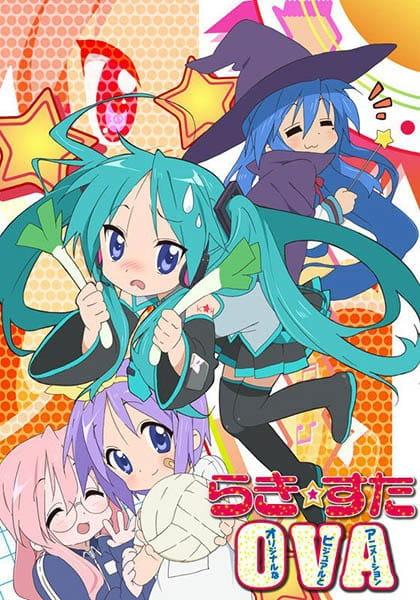
Lucky☆Star centers on the everyday routine of four high school girls: Konata Izumi, a laid-back otaku; the Hiiragi twins, Tsukasa and the more sharp-tongued Kagami; and Miyuki Takara, who’s known for her polite, studious demeanor.
From classroom chatter to after-school hangouts, their friendship unfolds through quick-witted conversations and playful observations. Topics range from Japanese customs and schoolwork to the finer points of otaku culture and even debates over the “right” way to prepare and eat different foods—nothing is too ordinary to become a punchline.
Otaku Consensus
Lucky☆Star’s reputation rests on Kyoto Animation turning low-stakes four-panel material into a sharply timed artifact of mid-2000s otaku comedy, with Yasuhiro Takemoto’s post-episode-4 direction giving the series a steadier comic rhythm after its divisive opening stretch. Critics and fans consistently praise its reference density, consistent visual polish, and unusually attentive conversational pacing, while the main complaint remains legitimate: its stillness, lack of plot momentum, and niche in-jokes make the early episodes feel inert for viewers outside its target audience.
Why You Should Watch
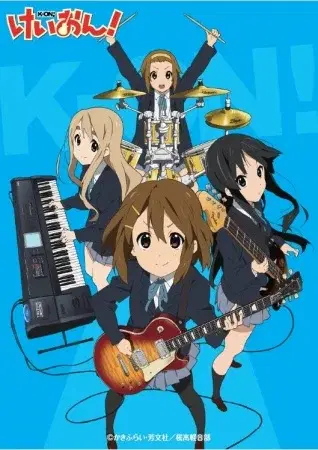
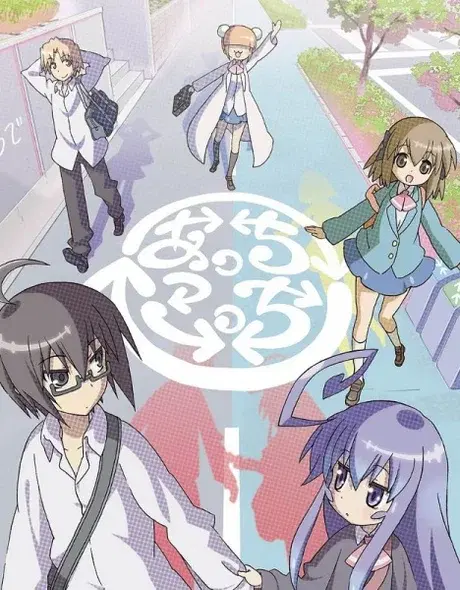
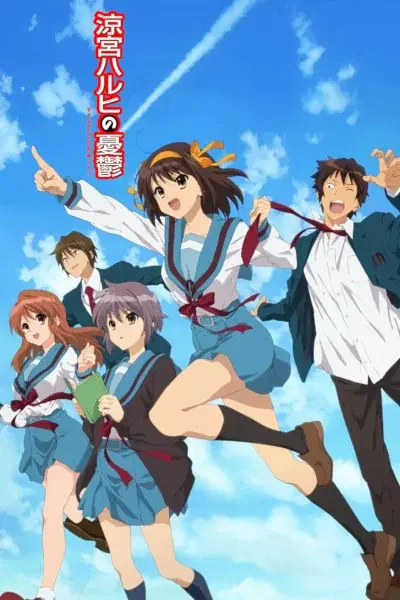
Watch Lucky☆Star if you want slice-of-life comedy that treats fandom habits, food arguments, school rituals, and game-brained logic as material for precision gag writing rather than plot setup. It scratches the same itch as Azumanga Daioh’s classroom micro-comedy and K-On!’s hangout energy, but with a more openly otaku, parody-heavy 2007 flavor: Haruhi-era references, meta jokes, and conversations that spiral because the characters overthink the tiniest social detail. The appeal is not escalation; it is rhythm. Kyoto Animation keeps the staging clean and readable, letting pauses, glances, and deadpan timing do the work. If you want cute-girl comedy without melodrama, romance plotting, or an endgame, this is a defining time capsule of how anime fandom started laughing at itself on TV.
Key Characters
- KKonata Izumi(VA: Aya Hirano)
Konata became one of anime’s most recognizable otaku avatars because her laziness, gaming obsession, and deadpan genre awareness turn ordinary conversations into fandom self-parody.
- KKagami Hiiragi(VA: Emiri Kato)
Kagami is the group’s sharpest verbal counterweight, a tsundere-coded straight woman whose exasperation gives many of the show’s meandering jokes their punchline shape.
- TTsukasa Hiiragi(VA: Kaori Fukuhara)
Tsukasa’s softer, more absentminded presence makes her an effective contrast to Kagami, with fan affection often centered on how her simple reactions reset the tempo of a scene.
- MMiyuki Takara(VA: Aya Endo)
Miyuki functions as the polite, studious encyclopedia of the cast, turning etiquette, trivia, and over-explaining into a gentle form of character comedy.
What Makes It Stand Out
- 1
Kyoto Animation adapts Kagami Yoshimizu’s four-panel manga by prioritizing conversational timing over incident, making the show unusually dependent on pauses, topic drift, and reaction cuts rather than conventional sketch-comedy escalation.
- 2
The production has a notable director handoff: Yutaka Yamamoto directed episodes 1–4, while Yasuhiro Takemoto directed episodes 5–24, a change that aligns with the common critical view that the series becomes stronger after its early episodes.
- 3
Its parody and otaku-culture identity is not incidental; AniList tags it at 88% for Otaku Culture, 87% for Parody, 82% for Meta, and 62% for Video Games, matching the reviews that single out franchise references as a core appeal.
- 4
The animation is often deliberately still, but reviews repeatedly note that Kyoto Animation keeps the quality consistent across all 24 episodes, using clean layouts and small expressions rather than spectacle.
- 5
The series is built as an episodic ensemble comedy, reflected in AniList’s 83% Episodic and 86% Ensemble Cast tags, which helps explain why its fanbase values rewatchable bits and character chemistry more than narrative payoff.
Fun Facts & Trivia
- Fun fact 1
- Lucky☆Star aired from April 8 to September 17, 2007, placing it directly in Kyoto Animation’s post-Haruhi boom, which makes the show’s Haruhi references feel like in-house otaku commentary rather than random name-dropping.
- Fun fact 2
- Original creator Kagami Yoshimizu is credited not only for the source material and original character designs but also for series composition assistance, giving the anime a documented link to the manga’s gag structure.
- Fun fact 3
- Touko Machida handled series composition, while Yukiko Horiguchi redesigned the characters for animation; Horiguchi’s simplified, highly readable designs are a major reason the show’s tiny facial shifts carry so much comedic weight.
- Fun fact 4
- The source manga began in 2003 and was still described as ongoing in later review coverage, meaning the anime was adapting a living four-panel comedy rather than a completed narrative.
- Fun fact 5
- Despite its niche referential humor, Lucky☆Star remains highly visible in database metrics: it holds a MAL score of 7.76 from 342,965 votes, a popularity rank of #346, and over 5,000 AniList favourites.
Studios
- Kyoto Animation