Nightsong of Splendor
華星夜曲 (Kasei Yakyoku)
- Drama
- Romance
- Historical
- Episodes
- 4
- Duration
- 28 min per ep
- Aired
- Mar 25, 1989 to Sep 25, 1989
- Status
- Finished Airing
Synopsis
Set against the backdrop of 1923 Tokyo, a city steeped in contrasts where tradition clashes with modernity, "Nightsong of Splendor" weaves a poignant tale of love and turmoil. Amidst the bustling streets where horse-drawn carriages share the road with automobiles, a wealthy woman finds herself drawn to Taka, a striking young man linked to the shadows of the city’s underworld. As their worlds collide, the dynamics shift when Taka’s younger brother becomes entangled in their growing relationship, adding layers of complexity to their fateful connection.
Alongside them is the lady's devoted maidservant, Sara, whose own encounters with Taka ignite a conflict that threatens to unravel their lives. As the characters navigate a web of passion, rivalry, and societal expectations, an impending catastrophe looms on the horizon. The narrative builds towards a harrowing climax, culminating in the tragic events of September 1, 1923, when the Great Kanto Earthquake forever alters the fabric of their lives and the city they inhabit.
Otaku Consensus
Nightsong of Splendor is valued less as a crowd-pleaser than as a late-80s josei-leaning OVA shaped by Osamu Dezaki’s melodramatic direction, Akio Sugino’s elegant character designs, and Shichirou Kobayashi’s period art direction. Its modest MAL score of 6.68 and AniList score of 62 point to a divisive reception: admirers prize its adult historical mood and fatalistic structure, while the clearest weakness is the compressed four-episode format, which leaves its romantic and underworld entanglements feeling more suggested than fully lived-in.
Why You Should Watch
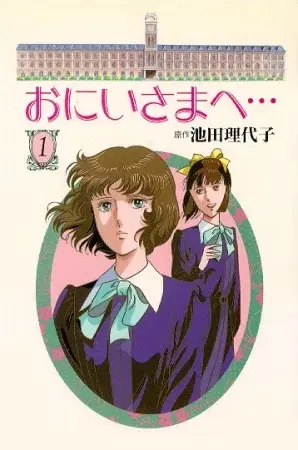
Watch Nightsong of Splendor if you want adult historical melodrama without the cushioning of comedy, fantasy rules, or teen coming-of-age framing. Its appeal is very specific: 1980s OVA atmosphere, josei-coded romantic fatalism, yakuza-adjacent danger, and a 1923 Tokyo setting treated as social pressure rather than mere wallpaper. It scratches a related itch to Osamu Dezaki-associated works like The Rose of Versailles and Oniisama e... in its taste for heightened emotion, poised character framing, and tragic inevitability, but it is shorter, harsher, and more intimate. The four-episode length makes it a compact watch for viewers interested in Magic Bus-era craftsmanship, Sugino-designed faces, and historical romance aimed at adults rather than escapist wish fulfillment.
Key Characters
- TTaka
Taka is the kind of dangerous romantic figure Dezaki direction thrives on: composed on the surface, socially destabilizing in every relationship around him.
- SSara
Sara stands out because her position as a servant gives the drama a sharper class angle, making her emotional conflict feel inseparable from status and obligation.
What Makes It Stand Out
- 1
Osamu Dezaki both directed and storyboarded the OVA, making it a concentrated example of his control over rhythm, framing, and melodramatic escalation rather than a project he merely supervised.
- 2
Akio Sugino handled the character designs, linking the OVA visually to the refined, elongated, emotionally expressive look associated with several major Dezaki collaborations.
- 3
Shichirou Kobayashi served as art director, an important credit for a historical work that depends on period atmosphere and the visual contrast between old Tokyo and encroaching modernity.
- 4
The series was released as only four episodes across March 25 to September 25, 1989, giving it the shape of a compact OVA event rather than a television-style serial.
- 5
AniList’s strongest tags emphasize Yakuza, Historical, Primarily Adult Cast, Nudity, and Josei, which positions it closer to adult period melodrama than the more youth-oriented romance anime that dominate database rankings.
Fun Facts & Trivia
- Fun fact 1
- Nightsong of Splendor was produced by Magic Bus, a studio with a long history in OVA and television production rather than a one-off boutique label.
- Fun fact 2
- The Dezaki name appears twice in the key staff: Osamu Dezaki directed and storyboarded the anime, while Satoshi Dezaki is credited as producer.
- Fun fact 3
- Makiko Hirata is credited as the original creator, making the OVA an adaptation-rooted project rather than an anime-original historical romance.
- Fun fact 4
- Despite its notable staff, the anime remains deeply niche in database terms: MAL lists only 1,370 votes and a popularity rank of #9861, while AniList records 20 favourites.
- Fun fact 5
- Its airing window ended on September 25, 1989, more than six decades after the real Great Kanto Earthquake date that anchors the work’s historical endpoint.
Studios
- Magic Bus