Haikara-san: Here Comes Miss Modern
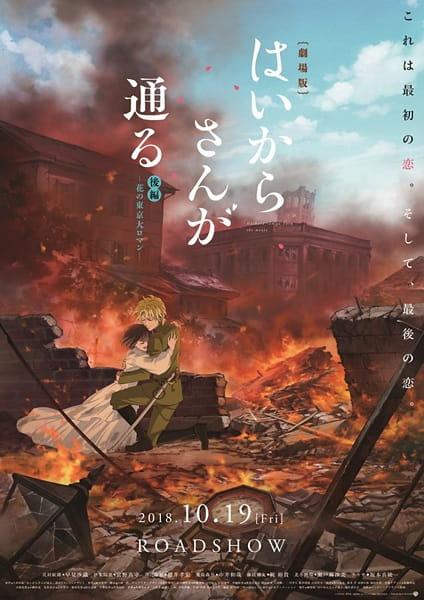
劇場版 はいからさんが通る 前編 ~紅緒、花の17歳~ (Haikara-san ga Tooru Movie 1: Benio, Hana no 17-sai)
- Comedy
- Romance
- Historical
- Episodes
- 1
- Duration
- 1 hr 37 min
- Aired
- Nov 11, 2017
- Status
- Finished Airing
Synopsis
Set in Taishō-era Japan in 1918, 17-year-old Benio Hanamura refuses to be boxed in by tradition. Loud, stubborn, and proudly tomboyish, she’d rather practice kendo and scramble up trees than behave like a “proper” young lady, spending her days in high-spirited mischief alongside her close friends Tamaki and Ranmaru.
Determined to choose love on her own terms, Benio soon finds her wishes at odds with her family’s expectations. As wartime pressures close in, she’s pushed to navigate difficult choices that test her independence, her relationships, and what she truly wants from life.
Otaku Consensus
Haikara-san: Here Comes Miss Modern lands as a warmly received but still niche shoujo revival, reflected in its solid MAL 7.48 and AniList 72 rather than breakout popularity. Kazuhiro Furuhashi’s direction gives the film a brisk period-romance rhythm, while Terumi Nishii’s character designs and Michiru Ooshima’s music help modernize Waki Yamato’s classic material without sanding off its old-school shoujo personality. The most consistent limitation is compression: as a single feature and the first half of a two-film project, it moves through comedy, romance, and wartime tension quickly enough that some emotional turns feel abridged.
Why You Should Watch
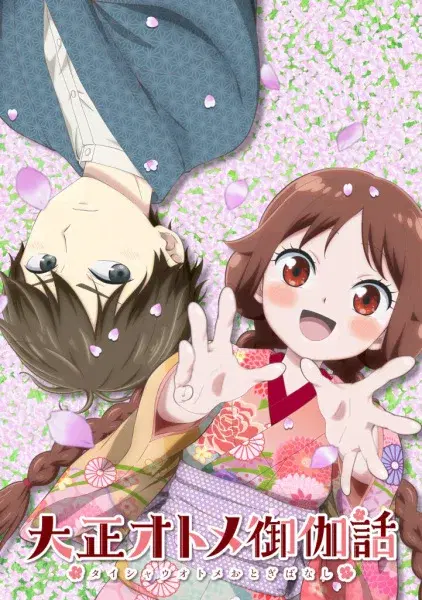
Watch this if you want historical shoujo with teeth: romance, social rebellion, and period comedy without the passive heroine problem. It scratches a similar itch to Taisho Otome Fairy Tale for early-20th-century atmosphere, but with more screwball momentum and a louder feminist streak; it also shares some of the period-dramatic confidence one expects from Kazuhiro Furuhashi’s work on historical action-drama. The film is especially rewarding for viewers curious about classic manga adaptations, because it translates Waki Yamato’s 1970s shoujo sensibility into a cleaner theatrical form rather than disguising it as contemporary rom-com formula. If you like expressive character acting, arranged-marriage tension, military-era melodrama, and heroines who generate comedy by refusing to behave, this is a compact, polished entry point.
Key Characters
- BBenio Hanamura
Benio is memorable because her appeal is not just romantic independence, but the physical comedy and social friction of a heroine who treats kendo, climbing, and blunt speech as part of her identity.
- TTamaki
Tamaki gives the film an important female-friendship axis, keeping Benio’s modernity from existing only in opposition to men or marriage customs.
- RRanmaru
Ranmaru’s role in Benio’s close circle helps preserve the ensemble flavor of Waki Yamato’s shoujo comedy rather than reducing the movie to a two-person romance.
What Makes It Stand Out
- 1
The film is directed by Kazuhiro Furuhashi, a filmmaker strongly associated with period action and melodrama, which fits the material’s blend of romance, military pressure, and social change.
- 2
Terumi Nishii’s character designs update Waki Yamato’s classic shoujo look for theatrical animation while retaining the exaggerated expressions needed for Benio’s comedy.
- 3
Michiru Ooshima’s score is a major part of the film’s period texture, giving the romance and historical drama a more orchestral, classical-anime feel than a standard TV rom-com soundtrack.
- 4
Nippon Animation handles the production, making this a notable late-career feature adaptation from a studio better known to many fans for literary and historical family-oriented animation.
- 5
The movie’s subtitle, Benio, Hana no 17-sai, signals its structure as a character-centered first installment rather than a complete one-film retelling of the entire Haikara-san story.
Fun Facts & Trivia
- Fun fact 1
- The original creator is Waki Yamato, one of the major names in classic shoujo manga, and this film adapts her Haikara-san ga Tooru rather than creating a new Taishō-era story from scratch.
- Fun fact 2
- Saori Hayami is credited for the ending theme performance, tying the film’s closing emotional register to one of modern anime’s most recognizable vocal performers.
- Fun fact 3
- The AniList tag distribution is unusually revealing: Historical sits at 96% and Shoujo at 83%, while Military and War also rank high, showing that viewers categorize it as more than a light romance.
- Fun fact 4
- The film’s MAL Popularity rank of #4392 is far lower than its score rank of #2135, suggesting a title with better reception among viewers who find it than broad mainstream visibility.
- Fun fact 5
- Key animation credits include Satoshi Koike, Maki Sawai, and animation direction by Hideki Itou, pointing to a production that foregrounds character acting and expressive motion over spectacle-driven action.
Studios
- Nippon Animation