Dear Brother
おにいさまへ… (Oniisama e...)
- Drama
- Girls Love
- Psychological
- School
- Episodes
- 39
- Duration
- 25 min per ep
- Aired
- Jul 14, 1991 to May 31, 1992
- Status
- Finished Airing
Synopsis
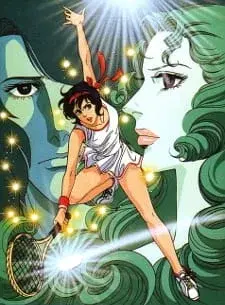
Sixteen-year-old Nanako Misonoo arrives at the elite Seiran Academy expecting a fresh start, only to be pulled into a tense world of status games, envy, and quiet cruelty. Her troubles deepen when she’s selected for the Sorority, a celebrated inner circle that fascinates the student body. Lacking the poise, privilege, and polish associated with its members, Nanako becomes an easy target—drawing particular hostility from the sharp-tongued Aya Misaki.
As school life grows more isolating, Nanako records her days in letters to her former teacher, Takehiko Henmi, whom she calls “onii-sama.” Support comes from a small group of friends: her longtime companion Tomoko Arikura, the outgoing yet unpredictable Mariko Shinobu, the troubled musician Rei Asaka, and the sporty, boyish Kaoru Orihara. *Dear Brother* follows Nanako through rumor, jealousy, and bullying, painting an intimate portrait of adolescence under pressure.
Otaku Consensus
Dear Brother earns its cult reputation through Osamu Dezaki’s severe, theatrical direction and a 39-episode structure that lets social punishment, obsession, and dependency accumulate with unusual patience for a school drama. Its strongest material is the Sorority-centered power struggle and the way the series treats adolescence as a closed psychological ecosystem rather than a sequence of school-life incidents. The common barrier is its operatic intensity: the heightened dialogue, repeated emotional crises, and deliberate pacing can feel punishing to viewers expecting modern restraint.
Why You Should Watch
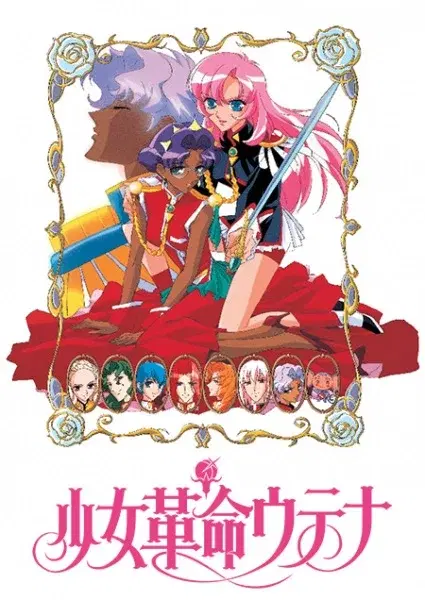
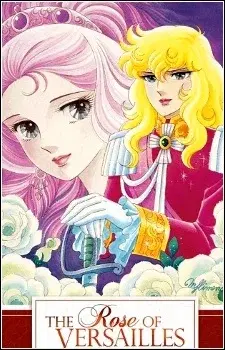
Watch Dear Brother if you want shoujo melodrama with teeth: not romance as comfort viewing, but school status, jealousy, class performance, and queer-coded longing treated like matters of life and death. It scratches a similar itch to Revolutionary Girl Utena in its all-female social battlefield and to The Rose of Versailles in its Riyoko Ikeda taste for aristocratic pressure, but without fantasy spectacle or historical distance. The appeal is in watching a prestigious academy become a pressure chamber, shaped by Osamu Dezaki’s formal, almost stage-like direction and a script that refuses to make teenage cruelty feel small. If you want Girls Love themes, psychological escalation, and 1990s TV anime craftsmanship in one sustained descent, this is essential viewing.
Key Characters
- NNanako Misonoo
Nanako is compelling because her politeness is not treated as innocence alone, but as a survival strategy that makes her both witness and participant in Seiran Academy’s social machinery.
- RRei Asaka
Rei is the series’ magnetic danger point, a troubled musician whose glamour, fragility, and self-destructive aura made her one of the show’s most discussed figures.
- KKaoru Orihara
Kaoru stands out as the sporty, boyish counterforce to the academy’s polished hierarchy, giving the drama a sharper contrast between performance and directness.
- MMariko Shinobu
Mariko is memorable because her outgoing friendship never feels simple, carrying the volatility and neediness that Dear Brother handles better than conventional school dramas.
What Makes It Stand Out
- 1
The series is a 39-episode Tezuka Productions adaptation, giving the school hierarchy and bullying dynamics far more room to metastasize than a one-cour remake could manage.
- 2
Osamu Dezaki directs with Akio Sugino on character design, pairing two names strongly associated with classical TV anime melodrama and highly expressive character staging.
- 3
Nanako’s letters to Takehiko Henmi function as a structural device, turning the series into a record of perception, confession, and self-editing rather than a neutral account of school events.
- 4
The writing credits are unusually literary-minded for a TV anime page: Tomoko Konparu and Hideo Takayashiki handle series composition, while Katsuhiko Koide is credited for literary arts.
- 5
AniList’s tag profile is unusually specific for a school drama, combining Shoujo, Ojou-sama, Coming of Age, Bullying, LGBTQ+ Themes, Yuri, Drugs, Basketball, and Trains rather than reducing the show to romance or campus conflict.
Fun Facts & Trivia
- Fun fact 1
- Dear Brother comes from Riyoko Ikeda, the manga creator best known for grand, socially charged shoujo drama; the anime aired from July 14, 1991 to May 31, 1992.
- Fun fact 2
- Despite a strong MAL score of 7.9 from 12,483 votes and an AniList score of 78/100, its MAL popularity rank of #3370 marks it as a classic more often recommended by dedicated shoujo fans than stumbled upon casually.
- Fun fact 3
- The show’s credited studio is Tezuka Productions, making it a notable early-1990s entry in the studio’s catalog rather than part of the more commonly cited Toei or TMS shoujo lineages.
- Fun fact 4
- AniList records 1,191 favorites for the series, a useful signal that its fanbase is smaller than its reputation but unusually committed.
Studios
- Tezuka Productions