My Happy Marriage
わたしの幸せな結婚 (Watashi no Shiawase na Kekkon)
- Drama
- Fantasy
- Romance
- Adult Cast
- Historical
- Episodes
- 12
- Duration
- 23 min per ep
- Aired
- Jul 5, 2023 to Sep 20, 2023
- Status
- Finished Airing
Synopsis
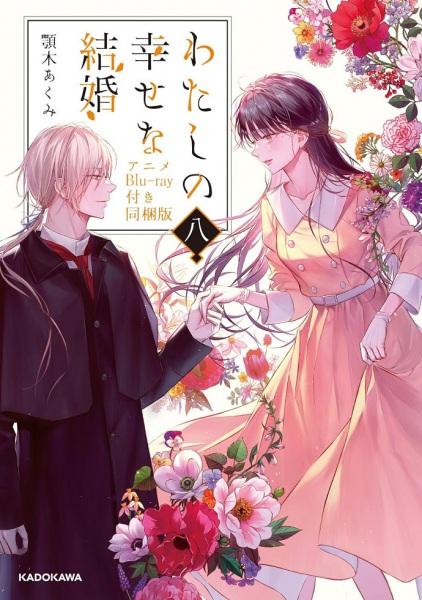
Miyo Saimori has known little but hardship. After her mother dies, she is pushed aside within her own household—her father remarries, her half-sister Kaya is favored, and Miyo is reduced to the role of a servant. Unable to resist the constant mistreatment, she gradually abandons any hope that her circumstances will ever change.
That fragile routine is upended when her father announces an arranged marriage to Kiyoka Kudou, the head of the respected Kudou family. Though his status is unquestioned, Kiyoka’s reputation is far colder: he is said to be ruthless, and previous fiancées have been driven away. Expecting more cruelty when she arrives at the Kudou estate, Miyo instead finds unexpected gentleness—offering her a rare chance to step out of her family’s shadow and discover what a quieter, happier life could look like.
Otaku Consensus
My Happy Marriage earns its strong fan response by treating shoujo romance as emotional recovery rather than wish fulfillment, with Takehiro Kubota’s direction, Kinema Citrus’ polished historical-fantasy staging, and a repeatedly praised musical score giving the domestic drama unusual texture. The series is most convincing in its early rehabilitation material and arranged-marriage slow burn, while the recurring criticism is that its Cinderella framework can feel familiar or overhyped once the fantasy-politics machinery moves to the foreground.
Why You Should Watch
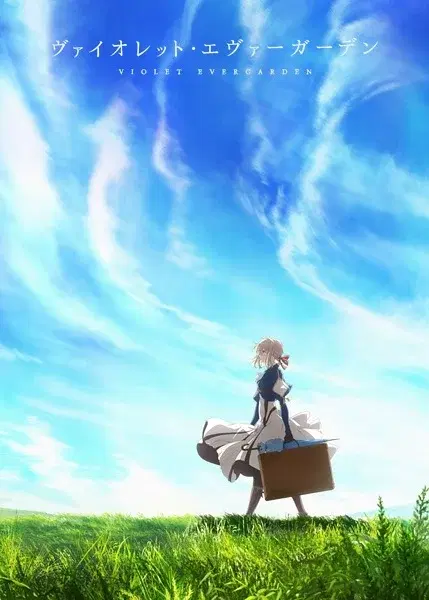
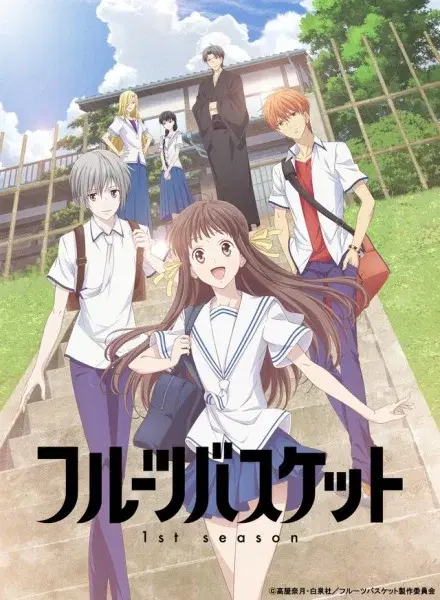
Watch My Happy Marriage if you want a shoujo romance built around restraint, adult etiquette, and trauma recovery without high-school comedy or love-triangle noise. It scratches a similar itch to Fruits Basket’s patient healing arcs and Violet Evergarden’s soft-spoken emotional catharsis, but filters that sensitivity through arranged marriage, household hierarchy, and urban-fantasy politics. The appeal is in the quiet details: formal clothing, controlled glances, military poise, traditional interiors, and conversations where politeness becomes a weapon or a refuge. Viewers who like romance to unfold through care, trust, and social pressure rather than banter will get the most from it. It is also a clean 12-episode watch, making its melodrama concentrated rather than sprawling.
Key Characters
- MMiyo Saimori
Fans often read Miyo less as a passive Cinderella figure than as the center of a rehabilitation story, where tiny acts of self-assertion carry the emotional weight of major plot turns.
- KKiyoka Kudou
Kiyoka’s appeal is the kuudere tension between military-formal restraint and careful emotional attentiveness, making his silence as important to the romance as his dialogue.
- KKaya Saimori
Kaya functions as the story’s social mirror, keeping the drama tied to status, inheritance, and household power rather than letting the romance exist in isolation.
- SSumi Usuba
Sumi Usuba is central to critical readings of the show’s anti-Cinderella angle, where marriage is treated as family history and social structure rather than a simple happy ending.
What Makes It Stand Out
- 1
Kinema Citrus frames the series as a historical urban-fantasy melodrama rather than a standard courtship anime, using traditional attire, domestic spaces, and supernatural elements to keep the romance tied to social atmosphere.
- 2
The show’s identity is unusually clear in its tag profile: AniList users rate Marriage at 94%, Historical at 84%, Arranged Marriage at 84%, Urban Fantasy at 79%, and Politics at 72%, which accurately signals a romance shaped by institutions and power structures.
- 3
Multiple reviews singled out the musical score as a major strength, with one fan review emphasizing it as a primary reason the emotional scenes landed; the soundtrack does a large share of the tonal work in the quieter episodes.
- 4
Its most praised stretch is the early emotional-rehabilitation material, where the drama is paced around trust-building and small behavioral changes rather than rapid romantic escalation.
- 5
Critical discussion often frames the series as a subverted Cinderella tale, especially in how Miyo, Hazuki, and Sumi’s marriages complicate the fantasy of romance as automatic rescue.
Fun Facts & Trivia
- Fun fact 1
- The anime adapts Akumi Agitogi’s original story, with Tsukiho Tsukioka credited for the original character designs and Shouko Yasuda handling the anime character designs.
- Fun fact 2
- The production credits separate direction and supervision: Takehiro Kubota directed the series, while Takao Abo is credited as supervisor.
- Fun fact 3
- Series composition was handled by three credited writers: Takahito Oonishi, Momoka Toyoda, and Ami Satou, reflecting the show’s split focus between intimate romance, family drama, and fantasy politics.
- Fun fact 4
- The historical texture extends into the staff list: prop design is credited to both Takeshi Takakura and Ryou Hirata, a notable detail for a series where clothing, interiors, and formal objects do narrative work.
- Fun fact 5
- Its reception sits in a strong but not universally ecstatic range: 7.67 on MyAnimeList from 199,056 votes, 76/100 on AniList, and 3,978 AniList favourites, matching the divide between viewers who found it addictive and critics who considered it overhyped.
Studios
- Kinema Citrus