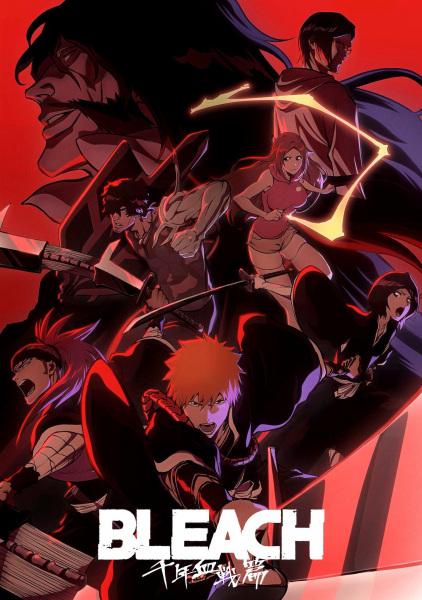
Bleach
BLEACH - ブリーチ -
- Action
- Adventure
- Supernatural
- School
- Super Power
- Urban Fantasy
- Episodes
- 366
- Duration
- 24 min per ep
- Aired
- Oct 5, 2004 to Mar 27, 2012
- Status
- Finished Airing
Synopsis
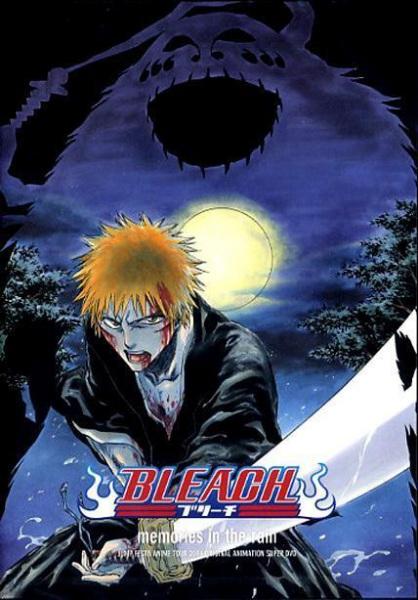
Ichigo Kurosaki lives a normal high school life until a Hollow—an evil spirit that preys on human souls—attacks his home. During the assault, he encounters Rukia Kuchiki, a Soul Reaper wounded while defending Ichigo’s family. With no other way to protect them, Ichigo takes on Rukia’s powers and is thrust into the role of a Soul Reaper himself.
When Rukia is unable to reclaim her abilities, Ichigo becomes responsible for hunting the Hollows haunting their town. He soon finds support from friends who awaken powers of their own—Orihime Inoue, Yasutora Sado, and Uryuu Ishida—and together they learn to balance everyday life with dangerous supernatural battles. As their experience grows, it becomes clear that Hollows are only part of a much larger threat facing the human world.
Otaku Consensus
Bleach remains a pillar of 2000s shounen: a stylish supernatural action series buoyed by iconic moments, a deep bench of fan-favorite Soul Reapers, and Shirou Sagisu’s instantly recognizable music. Critics and longtime viewers consistently praise the Soul Society-era world-building and the show’s flair for swordplay-driven spectacle, while also flagging uneven pacing, heavy filler (often cited around 40–55%), and character focus that can feel inconsistent as the episode count climbs. In short, it’s beloved for its vibe, fights, and emotional highs—recommended with a filler-skipping mindset for many.
Why You Should Watch
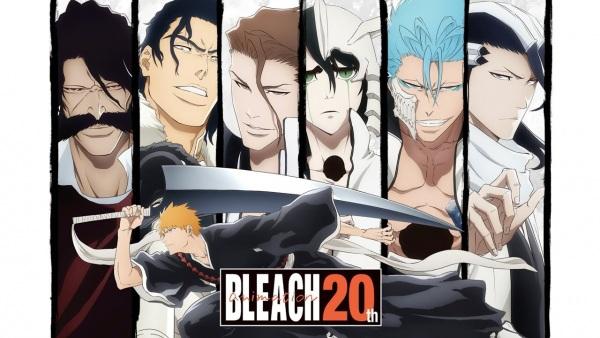
Watch Bleach if you want urban fantasy with bite: katana-forward exorcism battles, a striking afterlife bureaucracy, and a power system that’s pure shounen adrenaline. Studio Pierrot and director Noriyuki Abe lean into momentum—big entrances, rivalries that snap, and set-piece fights designed to be replayed in your head. The real hook is the ensemble: Ichigo’s orbit steadily expands into a cross-faction clash of ideals, duty, and identity, giving the action emotional weight when it lands. It’s also an audio-first show—Shirou Sagisu’s score can make even a quiet stare-down feel like a headline event. If you can tolerate (or skip) substantial filler, you’ll find a long-running classic with genuine iconic DNA.
Key Characters
- KKurosaki, Ichigo(VA: Morita, Masakazu)
A blunt, protective teen forced into the role of a Soul Reaper, Ichigo is compelling for how quickly he turns raw instinct into hard-earned resolve under supernatural pressure.
- KKuchiki, Rukia(VA: Orikasa, Fumiko)
A wounded Soul Reaper whose choices pull Ichigo into a larger afterlife conflict, Rukia balances stoic duty with a quietly human warmth that anchors the early story.
- IIshida, Uryuu(VA: Sugiyama, Noriaki)
A precision-minded rival with his own spiritual lineage, Uryuu adds tactical edge and ideological friction that sharpens the show’s team dynamics.
- IInoue, Orihime(VA: Matsuoka, Yuki)
Kind-hearted yet unexpectedly resilient, Orihime brings emotional clarity to the chaos, making the supernatural stakes feel personal rather than purely spectacular.
What Makes It Stand Out
- 1
A stylish supernatural battle identity: swordplay and super powers are staged with a distinct shounen swagger, mixing urban ghost-hunting with escalating afterlife-scale conflict.
- 2
World-building that fans repeatedly single out: the Soul Society and its squad structure (notably the Gotei 13) give the series a memorable institutional texture beyond “monster of the week.”
- 3
Shirou Sagisu’s soundtrack is a defining asset—frequently cited as a major reason to choose the anime even by viewers who otherwise recommend the manga.
- 4
An ensemble-cast engine: as more allies awaken abilities, the show shifts into a rotating spotlight format that fuels rivalries, team-ups, and long-run character fandom.
- 5
A long-running TV structure with a known tradeoff: 366 episodes allow for big emotional peaks and iconic scenes, but the high filler rate and pacing dips are the most common friction points.
Fun Facts & Trivia
- Fun fact 1
- Bleach aired from Oct 5, 2004 to Mar 27, 2012 and ran for 366 episodes, making it one of the defining long-form shounen TV adaptations of its era.
- Fun fact 2
- The anime is produced by Studio Pierrot, a studio strongly associated with major battle-shounen television series and long-running weekly schedules.
- Fun fact 3
- Two different series composition leads are credited across the run: Masashi Sogo (eps 1–212) and Kento Shimoyama (eps 317–342), reflecting how long productions often shift key staff over time.
- Fun fact 4
- Audience reception remains notably strong at scale: it holds a 7.99/10 on MyAnimeList with over 1.2 million votes and sits at #35 in popularity, underscoring its staying power even amid polarized filler debates.
- Fun fact 5
- Among database tags, Swordplay (96%) and Super Power (94%) dominate, which aligns with the show’s reputation for katana-centric showdowns and escalating ability reveals.
Studios
- Studio Pierrot