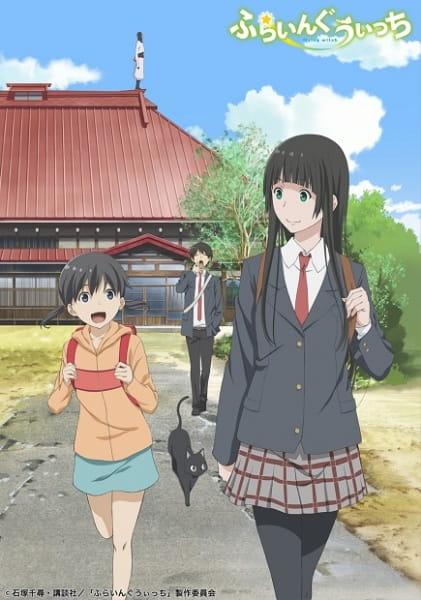
Flying Witch
ふらいんぐうぃっち
- Fantasy
- Slice of Life
- Iyashikei
- Urban Fantasy
- Episodes
- 12
- Duration
- 23 min per ep
- Aired
- Apr 10, 2016 to Jun 26, 2016
- Status
- Finished Airing
Synopsis
By witches’ custom, turning 15 means leaving home to train on one’s own. Apprentice witch Makoto Kowata departs Yokohama with her black cat familiar, Chito, and heads for Aomori—an area beloved by witches for its rich nature and natural connection to magic. There, she settles in with her second cousins: Kei Kuramoto and his younger sister, Chinatsu.
Makoto blends into high school life at a glance, but her quiet days are gently colored by witchcraft’s odd little surprises. Between unusual encounters like a fortune-telling dog and the offbeat lessons she receives from her older sister Akane, Makoto’s new home becomes a calm place where family, friends, and small spells mingle with the everyday.
Otaku Consensus
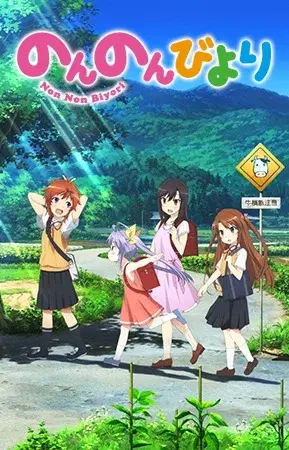
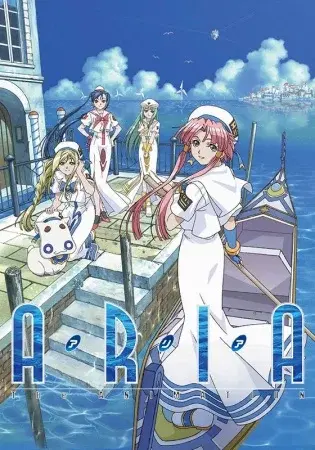
Katsushi Sakurabi’s patient direction and J.C.Staff’s fluid character animation turn radically low stakes into the show’s chief virtue, using episodic pacing to let family banter, food, agriculture, and stray supernatural encounters breathe. Admirers place it beside Aria and Non Non Biyori as top-tier iyashikei, while detractors identify the same deliberate stillness as aimlessness, citing the absence of sustained conflict or a dramatic destination.
Why You Should Watch
If your ideal comfort anime favors observation over escalation, Flying Witch delivers the rare pleasure of fantasy with no combat ladder, villain campaign, or forced melodrama. It scratches the same restorative itch as Aria and Non Non Biyori, but its blend of rural routines, family comedy, food, agriculture, and matter-of-fact witchcraft gives it a distinct texture. Katsushi Sakurabi’s direction is comfortable leaving space for pauses, while J.C.Staff’s clean character acting and fluid movement keep quiet scenes visually alive. Yoshiaki Dewa’s music and Yoshikazu Iwanami’s sound direction reinforce the wind-down appeal without smothering it in sentiment. Choose it when you want twelve episodes that reward attention to small reactions and atmosphere rather than cliffhangers or plot momentum.
Key Characters
- MMakoto Kowata(VA: Minami Shinoda)
Makoto’s understated reactions and easy acceptance of the uncanny establish the series’ defining comic rhythm: magic can be remarkable without becoming dramatic.
- CChinatsu Kuramoto(VA: Eri Suzuki)
Chinatsu supplies the ensemble’s most infectious sense of discovery, bridging domestic comedy and supernatural wonder without disrupting the relaxed tone.
- KKei Kuramoto(VA: Shinsuke Sugawara)
Kei functions as a gently grounded counterweight, meeting the cast’s eccentricities with the unforced timing of an effective slice-of-life straight man.
What Makes It Stand Out
- 1
The twelve-episode structure is deliberately episodic, with no continuing enemy or crisis imposed to manufacture momentum; individual routines and encounters are allowed to provide their own payoff.
- 2
J.C.Staff emphasizes clean character designs and fluid everyday movement rather than spectacle, an animation approach critics singled out as one of the adaptation’s strongest draws.
- 3
Composer Yoshiaki Dewa and sound director Yoshikazu Iwanami build the series around an unobtrusive acoustic atmosphere, supporting its pauses and environmental focus rather than dictating an emotional response.
- 4
Its fantasy is unusually domestic in emphasis: AniList users strongly associate the series not only with witches and magic, but also with family life, agriculture, and food.
- 5
The show’s iyashikei identity is unusually pronounced, receiving a 98% tag confidence on AniList and inspiring favorable comparisons with Aria, Non Non Biyori, and the Yokohama Kaidashi Kikou OVAs.
Fun Facts & Trivia
- Fun fact 1
- Chihiro Ishizuka is credited as the original creator, while the television adaptation was directed by Katsushi Sakurabi with series composition by Hitomi Mieno.
- Fun fact 2
- Hiroko Fukuda wrote four specifically credited installments: episodes 4, 6, 9, and 11.
- Fun fact 3
- Minami Shinoda and Eri Suzuki, the voices of Makoto and Chinatsu, also share ending-theme performance credits.
- Fun fact 4
- The opening-theme performance credits pair singer-songwriter miwa with utaite singer 96Neko.
- Fun fact 5
- Despite its intentionally uneventful design, the series accumulated 1,043 AniList favourites and more than 114,000 MyAnimeList score votes, indicating a substantial audience for its low-conflict approach.
Studios
- J.C.Staff