Danganronpa 3: The End of Hope's Peak High School - Despair Arc
ダンガンロンパ3 -The End of 希望ヶ峰学園- 絶望編 (Danganronpa 3: The End of Kibougamine Gakuen - Zetsubou-hen)
- Action
- Horror
- Mystery
- Suspense
- High Stakes Game
- Psychological
- School
- Survival
- Episodes
- 11
- Duration
- 23 min per ep
- Aired
- Jul 14, 2016 to Sep 22, 2016
- Status
- Finished Airing
Synopsis
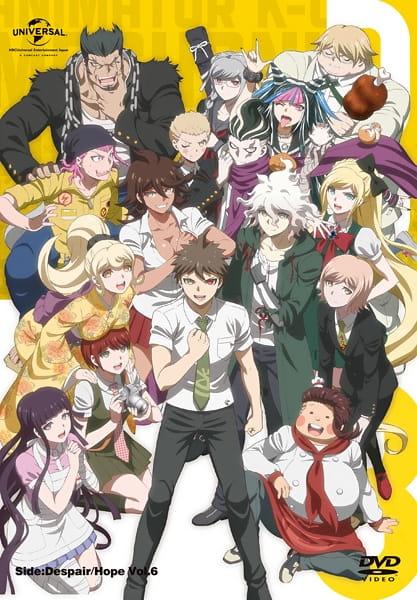
Hope’s Peak Academy welcomes a new homeroom teacher for the unconventional Class 77-B: Chisa Yukizome, an alumna known as the Super High School-Level Housekeeper. Bright, driven, and surprisingly tough, she throws herself into fixing her students’ bad habits and helping a wildly varied group—ranging from a princess and a nurse to a yakuza member and an absurdly lucky classmate—forge real bonds under the banner of “hope.”
Elsewhere at the academy, Reserve Course student Hajime Hinata wrestles with feeling ordinary in a place obsessed with talent. A chance encounter with Class 77-B’s Super High School-Level Gamer, Chiaki Nanami, offers him a more hopeful way to look at life—just as the school’s leadership quietly advances a dangerous plan with Hajime at its center. As everyday campus life continues, a creeping darkness spreads through Hope’s Peak, setting the stage for the Biggest, Most Awful, Most Tragic Event in Human History.
Otaku Consensus
Side: Despair is the stronger character showcase of Danganronpa 3, using Lerche’s sharp-edged school-comedy timing and the DR2 ensemble’s chemistry to make the slide toward horror land harder than a straight lore dump would. Critics and fans consistently praise its character development and early skit-driven episodes, while the recurring complaint is that an 11-episode structure rushes the moral collapse and leaves its anarchy-heavy ideas less room to breathe.
Why You Should Watch
Watch Despair Arc if you want a school ensemble comedy that curdles into psychological horror without turning into a case-of-the-week mystery. It scratches a similar itch to Higurashi when they cry and School-Live!: bright clubroom energy, social bonding, and then a deliberate tightening of the noose. The appeal is not just “how did Hope’s Peak fall?” but how a talent-obsessed institution can make ordinary insecurity, elite privilege, and adolescent loyalty combustible. Viewers who already like the Danganronpa 2 cast get the most value, because the arc spends unusual time on pre-tragedy dynamics before the franchise’s violence takes over. If you want the franchise’s themes of hope and despair treated as institutional psychology rather than only courtroom spectacle, this is the essential anime-only bridge.
Key Characters
- CChisa Yukizome
Chisa stands out because she turns the “teacher” role into active emotional labor, using discipline, domestic competence, and relentless optimism as tools rather than background traits.
- HHajime Hinata
Hajime gives the arc its most pointed critique of Hope’s Peak’s talent hierarchy, making ordinary insecurity feel as dangerous as any external threat.
- CChiaki Nanami
Chiaki is remembered by fans as the calm center of the DR2 class, a gamer whose quiet empathy gives the ensemble warmth without softening the series’ cruelty.
What Makes It Stand Out
- 1
Despair Arc is not a retelling of a game route; it is an anime prequel written from Kazutaka Kodaka’s original story material and built to connect the DR2 cast to the wider Hope’s Peak timeline.
- 2
The arc’s structure front-loads low-key ensemble comedy before pivoting into horror, a choice several reviewers found fun and character-rich even as they criticized the later pacing.
- 3
Lerche’s production keeps Rui Komatsuzaki’s recognizable character silhouettes through Kazuaki Morita’s TV character designs, preserving the franchise’s bold, theatrical look in a more continuous anime format.
- 4
Masafumi Takada handles the music, giving the anime a direct tonal link to Danganronpa’s mix of playful absurdity, tension, and synthetic dread.
- 5
AniList’s tag spread captures the arc’s unusual identity: School at 89%, Ensemble Cast at 84%, Teacher at 75%, Gore at 63%, and Meta at 58%, which is a more specific profile than a standard horror-school label.
Fun Facts & Trivia
- Fun fact 1
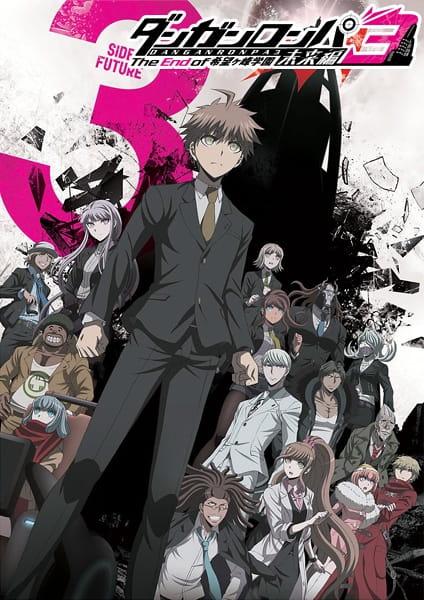
- Danganronpa 3 was split conceptually between Future Arc, described in coverage as a sequel to Danganronpa 2, and Despair Arc, positioned as a prequel to the first Danganronpa.
- Fun fact 2
- The production credits separate Seiji Kishi as chief director and Daiki Fukuoka as director, with Norimitsu Kaihou handling series composition across the compressed 11-episode arc.
- Fun fact 3
- Megumi Ogata is credited for the ending theme performance, adding a major Danganronpa-associated name to the anime’s music-side staff list.
- Fun fact 4
- The show aired as a Summer 2016 TV anime from July 14 to September 22, finishing in 11 episodes rather than the more common one-cour 12 or 13.
- Fun fact 5
- Its reception is notably split across platforms: MAL lists it at 7.34 from 195,350 votes, while AniList places it at 71/100 with 1,472 favorites, matching the broader pattern of fan interest tempered by pacing criticism.
Studios
- Lerche