Ikebukuro West Gate Park
池袋ウエストゲートパーク
- Drama
- Mystery
- Delinquents
- Episodes
- 12
- Duration
- 23 min per ep
- Aired
- Oct 6, 2020 to Dec 22, 2020
- Status
- Finished Airing
Synopsis
Ikebukuro West Gate Park follows Makoto Majima, a well-known “troubleshooter” in Tokyo’s Ikebukuro district, where everyday business and gang territory overlap. With deep local knowledge and the backing of the G-Boys, Makoto works to defuse disputes before they spiral. Headed by the magnetic yet ruthless Takashi Andou, the G-Boys stand as Ikebukuro’s most powerful crew.
That balance starts to crack when a new group, the Red Angels, pushes into G-Boys territory and tensions flare. Surrounded by rivals—and wary of threats that may be closer than they appear—Makoto keeps taking on requests while piecing together a larger scheme, one that could ignite a full-scale conflict and put all of Ikebukuro at risk.
Otaku Consensus
Ikebukuro West Gate Park lands as a worthwhile but visibly imperfect urban-crime adaptation: Tomoaki Koshida’s direction and Fumihiko Shimo’s episodic composition work best when the series treats Ikebukuro as a network of social problems rather than a simple gang battlefield. Critics and fans most often praise the real-world issue episodes, the improving late-season momentum, and Makoto’s street-level problem-solving, while the recurring knock is that the execution feels too modest to match the material’s potential.
Why You Should Watch
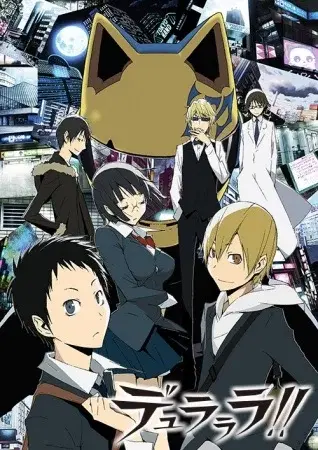
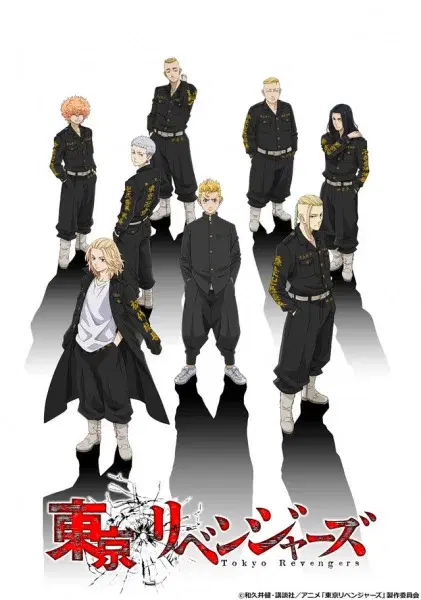
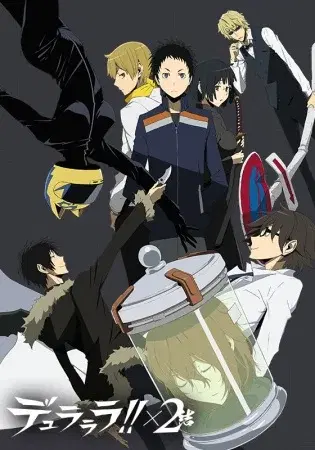
Watch Ikebukuro West Gate Park if you want gang-adjacent crime drama without shounen escalation, supernatural gimmicks, or time-travel melodrama. It scratches part of the same urban itch as Durarara!!, especially in its fascination with Ikebukuro as a living map of cliques, favors, rumors, and reputations, but it plays closer to a grounded case-file drama than a chaotic ensemble fantasy. Viewers who liked the street politics of Tokyo Revengers but wanted an older cast and less melodrama will find a cleaner fit here. Its best appeal is procedural: small disputes, social pressure, drugs, neighborhood loyalty, and public image all become tools of conflict. The show is strongest for fans who enjoy watching a local fixer read a room before anyone throws a punch.
Key Characters
- MMakoto Majima
Makoto stands out because his influence comes less from brute force than from social literacy: he knows who is lying, who is scared, and which favor can stop a street problem from becoming a war.
- TTakashi Andou
Takashi is the show’s sharpest source of tension, a magnetic G-Boys leader whose charisma always carries the implied cost of what happens when charm fails.
What Makes It Stand Out
- 1
The series uses an episodic structure, reflected in AniList’s high Episodic tag rating, but the individual cases are tied to a broader crime-and-gang atmosphere rather than functioning as disposable side stories.
- 2
Doga Kobo, a studio many anime viewers associate with brighter character-driven productions, handles a much more grounded Drama/Mystery project here, making the production an unusual entry in the studio’s 2020 lineup.
- 3
The show leans into a primarily adult, primarily male cast, which separates it from school-delinquent anime and gives its conflicts a more neighborhood-politics feel than a coming-of-age brawl series.
- 4
Review coverage repeatedly points to its serious real-world issue material as a strength, including social hardship stories such as the single-mother material noted in outside writeups.
- 5
The visual pipeline is unusually clearly divided in the staff credits: Sena Aritou handled the original character designs, Junichirou Taniguchi adapted them for animation, and Akiko Toyoda and Maho Yoshikawa supported with sub-character design.
Fun Facts & Trivia
- Fun fact 1
- Ikebukuro West Gate Park aired as a 12-episode Fall 2020 TV anime from October 6 to December 22, finishing its run within a single cour.
- Fun fact 2
- The anime is credited to Ira Ishida for the original story, with series composition by Fumihiko Shimo and direction by Tomoaki Koshida.
- Fun fact 3
- Its reception profile is strikingly consistent across major databases: MyAnimeList lists it at 6.86 from 39,881 votes, while AniList records a 65/100 score and 483 favourites.
- Fun fact 4
- The production credits include Norifumi Nakamura as art director and Yuka Itou as color designer, two roles especially relevant to a series built around an identifiable urban district.
- Fun fact 5
- Hiyori Denforword Akishino is credited for prop design, a detail that matters more than usual in a crime drama where phones, street objects, and everyday urban items help sell the grounded setting.
Studios
- Doga Kobo