Hunter x Hunter
HUNTER×HUNTER(ハンター×ハンター)
- Action
- Adventure
- Fantasy
- Super Power
- Urban Fantasy
- Episodes
- 62
- Duration
- 23 min per ep
- Aired
- Oct 16, 1999 to Mar 31, 2001
- Status
- Finished Airing
Synopsis
Hunters are elite specialists whose work can span everything from tracking rare treasures to mastering the culinary arts. With access to resources and information beyond ordinary reach, they’re free to chase personal ambitions—if they can earn the title by surviving a notoriously lethal exam with a minuscule pass rate.
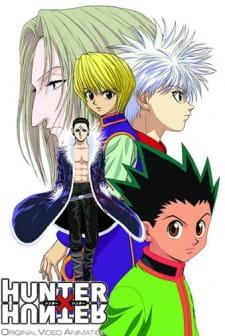
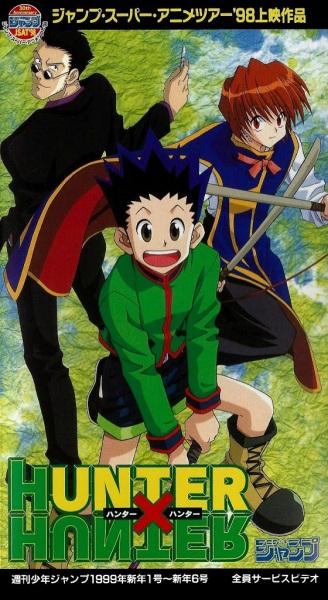
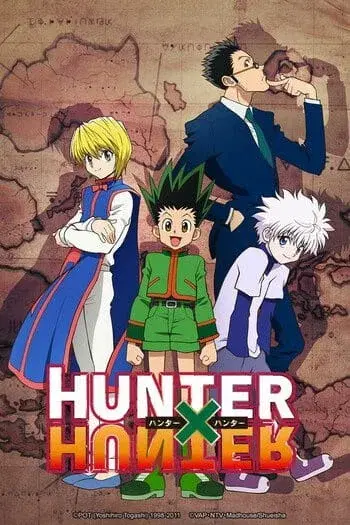
Twelve-year-old Gon Freecss enters the Hunter Exam driven by a single goal: to find his missing father. On the journey, he’s joined by three fellow applicants—Kurapika, who is consumed by vengeance, Leorio Paladiknight, who dreams of becoming a doctor, and Killua Zoldyck, a clever boy Gon’s age with a mischievous streak. Together, they push through dangerous trials and mounting odds, each fighting for the future they want.
Otaku Consensus
Nippon Animation’s 1999 Hunter x Hunter earns its reputation by letting Kazuhiro Furuhashi’s patient direction treat shounen trials as psychological pressure cookers rather than simple fight brackets, while the adaptation’s arc-to-arc pacing keeps shifting the series toward crime, assassins, and rule-bound superpowers. Critics and fans consistently single out the character writing and condition-based power structure; the most common complaint is practical rather than artistic: the 62-episode TV run is not the full animated journey and points viewers toward the later OVAs for continuation.
Why You Should Watch
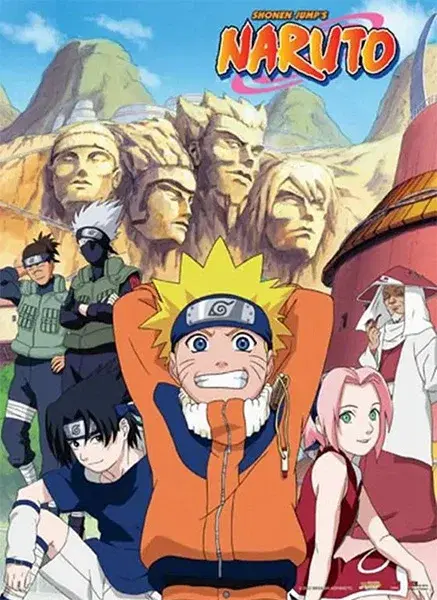
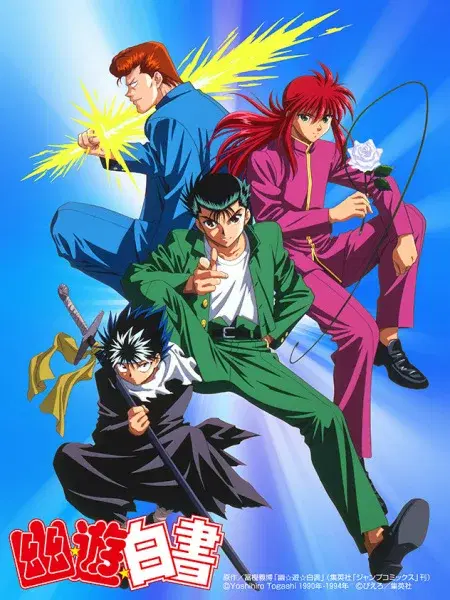
Watch the 1999 version if you want battle shounen that cares more about leverage, contracts, and personality clashes than louder transformations. It scratches the same itch as early Naruto’s exam-game tension and Yu Yu Hakusho’s morally scruffy adventure energy, but with a distinct late-90s TV mood: longer pauses, harsher uncertainty, and a world that can pivot from travel story to crime thriller without changing casts. The hook for seasoned fans is the ensemble design: Gon, Killua, Kurapika, and Leorio do not merely orbit one hero, they pull the story into different emotional registers. If the 2011 series is the cleaner marathon edition, Nippon Animation’s 62 episodes are the atmospheric cut: compact, tense, and especially rewarding for viewers who like powers with rules and costs.
Key Characters
- GGon Freecss
His appeal is not innocence alone, but the disarming way his curiosity forces older, colder characters to expose what they actually value.
- KKillua Zoldyck
Fans often treat him as the series’ volatility engine: a playful prodigy whose assassin background makes friendship feel both tactical and emotionally risky.
- KKurapika
A vengeance-driven tactician whose restraint gives the series some of its sharpest moral tension before any superpower rules are even on the table.
- LLeorio Paladiknight
He grounds the cast by turning adult anxieties about money, medicine, and status into comedy without reducing his ambition to become a doctor into a gag.
What Makes It Stand Out
- 1
The power system is repeatedly singled out in fan and critic discussions because it emphasizes conditions, limitations, and self-imposed risks instead of treating strength as a straight numerical climb.
- 2
This is the 1999 Nippon Animation television adaptation: 62 episodes aired from October 16, 1999 to March 31, 2001, giving it a different rhythm and visual identity from the later 2011 adaptation.
- 3
AniList’s tag profile captures the series’ unusual genre spread: Shounen at 95%, Ensemble Cast at 90%, Super Power and Cultivation at 80%, Urban Fantasy at 79%, with Crime and Assassins also scoring prominently.
- 4
Kazuhiro Furuhashi directed the series with Toshiyuki Katou as assistant director, a leadership pairing that supports the show’s slow-burn tension and its willingness to let conversations carry as much weight as confrontations.
- 5
The adaptation is structurally arc-driven rather than purely goal-driven, with reviews praising the way each stage changes the type of pressure placed on the cast instead of repeating the same adventure template.
Fun Facts & Trivia
- Fun fact 1
- The 1999 TV series was followed by three OVA projects, a point noted by reviewers because the 62-episode broadcast does not represent the entire animated adaptation path of this version.
- Fun fact 2
- Takayuki Gotou handled character design, while Nobuto Sakamoto served as art director and Mari Miyashita handled color design, making the show’s production identity more specific than the generic label of late-90s shounen.
- Fun fact 3
- Yasuhiro Moriki is credited for mechanical design, an interesting production credit for a fantasy-adventure series better known among viewers for exams, assassins, and superpower rules than machinery.
- Fun fact 4
- Akira Michikawa receives a separate title logo design credit, a small but distinctive database detail that reflects how carefully the adaptation’s branding was formalized.
- Fun fact 5
- Its database footprint remains unusually strong for a 1999 television anime: MAL lists it at 8.44 from 316,540 votes with a #199 rank, while AniList records an 83/100 score and 4,534 favourites.
Studios
- Nippon Animation