Super GALS!
超GALS! 寿蘭 (Super GALS! Kotobuki Ran)
- Comedy
- Delinquents
- Gag Humor
- School
- Episodes
- 52
- Duration
- 24 min per ep
- Aired
- Apr 1, 2001 to Mar 31, 2002
- Status
- Finished Airing
Synopsis
Ran Kotobuki looks every bit the fashionable Shibuya gal—designer outfits, flawless make-up, and perfectly done nails—but her attitude is backed by more than style. Raised in a family of police officers, she won’t hesitate to step in when trouble starts in her neighborhood.
Between keeping Shibuya in check, Ran still finds plenty of time for karaoke, shopping sprees, and doing everything possible to avoid homework. Alongside her friends, she balances everyday hangouts with taking on whatever chaos pops up on the streets, all while chasing the kind of reputation only the most legendary Gals could earn.
Otaku Consensus
Super GALS! earns its enduring niche through Tsuneo Kobayashi’s fast, TV-comedy direction and Studio Pierrot’s year-long commitment to a 52-episode Shibuya hangout rhythm, turning Mihona Fujii’s gyaru manga into a lively early-2000s time capsule. Its 7.4 MAL score and 71/100 AniList score reflect warm but not universal affection: fans value the personality, fashion coding, and episodic pacing, while the most common weakness is that the same case-of-the-week structure can feel repetitive across a full annual run.
Why You Should Watch
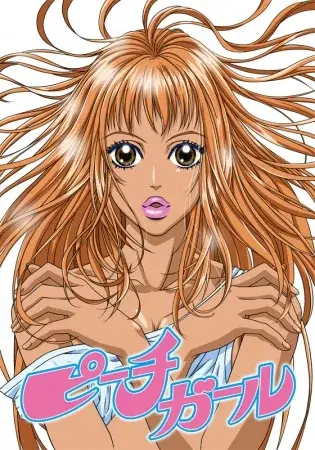
Watch Super GALS! if you want shoujo comedy with street-level attitude, fashion anthropology, and very little patience for fragile heroines. It scratches a similar itch to Kodocha’s loud character energy and the gyaru-era texture of Peach Girl, but with less soap-opera misery and more urban sitcom momentum. The appeal is not prestige plotting; it is seeing a 2001 Shibuya subculture turned into a full 52-episode playground, complete with nails, tans, karaoke, and moral brawls treated as part of the same ecosystem. Viewers who like episodic anime that build affection through routine rather than mythology will get the most out of it, especially if early-digital-era TV anime and shoujo fashion history are part of the attraction.
Key Characters
- RRan Kotobuki
Ran is memorable because the series treats her gyaru image and her blunt neighborhood-justice streak as inseparable parts of one personality rather than as a joke to be outgrown.
- MMiyu Yamazaki
Miyu gives the friend group a softer emotional counterweight, making the comedy land without flattening the show’s interest in loyalty and reputation.
- AAya Hoshino
Aya stands out as the more studious and anxious point of contrast in the trio, which lets the series poke at the boundaries between school expectations and gal identity.
What Makes It Stand Out
- 1
Studio Pierrot produced the anime as a full 52-episode TV run airing from April 1, 2001 to March 31, 2002, giving it the scale of a year-long youth-comedy chronicle rather than a compressed seasonal adaptation.
- 2
AniList’s tag spread is unusually specific: Gyaru at 100%, Urban at 92%, Female Protagonist at 91%, Fashion at 64%, and Tanned Skin at 50%, marking it as one of the more database-visible anime tied directly to early-2000s Shibuya gal culture.
- 3
The series composition is credited to Masashi Kubota, and the show’s 79% Episodic tag matches its structure: it is built for recurring social friction, jokes, and neighborhood incidents rather than a single escalating plotline.
- 4
Yuuko Kusumoto and Hiroto Tanaka share character design credit, an important production detail for a fashion-driven comedy where silhouettes, makeup, hair, and clothing are central to characterization.
- 5
Masumi Itou’s music credit and Toshiki Kameyama’s sound direction place the show firmly in the energetic early-2000s TV-anime mode, where vocal timing, stingers, and comedic sound effects carry as much weight as action animation.
Fun Facts & Trivia
- Fun fact 1
- The anime is based on work by original creator Mihona Fujii, whose name remains central to the page’s production identity rather than being hidden behind the studio credit.
- Fun fact 2
- Super GALS! has a notably cult-sized footprint: it sits at 9,066 MAL votes with a #4863 popularity ranking, while AniList lists 156 favourites, suggesting a devoted audience rather than broad mainstream saturation.
- Fun fact 3
- Despite being filed simply under Comedy with no MAL theme labels in the provided data, AniList’s tags identify a much sharper identity around gyaru culture, urban setting, police elements, and fashion.
- Fun fact 4
- The staff list includes separate credits for art direction by Junichi Higashi, editing by Masahiro Matsumura, sound effects by Masahiro Shouji, and sound direction by Toshiki Kameyama, reflecting the broader craft team behind what can look at first glance like a simple gag-driven shoujo series.
Studios
- Studio Pierrot