Angolmois: Record of Mongol Invasion
アンゴルモア 元寇合戦記 (Angolmois: Genkou Kassenki)
- Action
- Drama
- Historical
- Military
- Samurai
- Episodes
- 12
- Duration
- 23 min per ep
- Aired
- Jul 11, 2018 to Sep 26, 2018
- Status
- Finished Airing
Synopsis
In 1274, the Mongol Empire—having already subjugated much of the known world—sets its sights on Japan, beginning with a strike on Tsushima Island as the opening move toward a larger invasion.
At Princess Teruhi’s request, the Kamakura Shogunate dispatches Kuchii Jinzaburou and a band of exiles to the embattled island. With the enemy’s forces far outmatching their own, they’re forced into a desperate stand as Tsushima’s fate hangs in the balance.
Otaku Consensus
Angolmois: Record of Mongol Invasion earns its solid-but-not-revered reputation by treating medieval warfare as pressure rather than power fantasy, with Takayuki Kuriyama’s direction and Shougo Yasukawa’s 12-episode structure keeping the campaign tense, brutal, and military-minded. Its strongest material comes from the adult cast, samurai tactics, and historical specificity of Tsushima in 1274; the most common reservation is that NAZ’s modest production and compressed adaptation leave some battles and supporting characterization rougher than the concept deserves.
Why You Should Watch
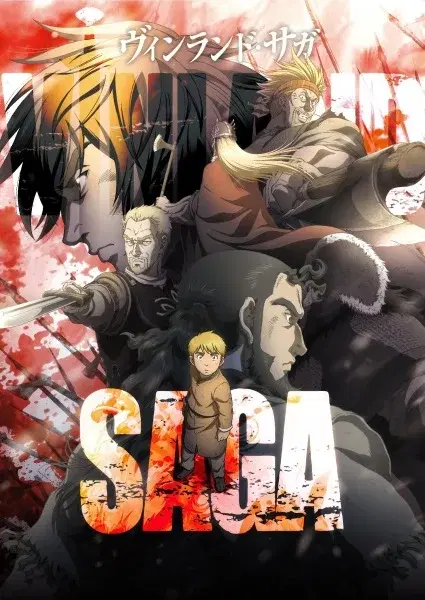
Watch Angolmois if you want historical anime built around terrain, morale, political obligation, and ugly battlefield compromise rather than supernatural escalation or tournament-style duels. It scratches a similar itch to Vinland Saga’s harsher war material and Kingdom’s military focus, but with a tighter, more desperate island-defense structure and a Kamakura-period setting rarely explored in TV anime. The appeal is not polished spectacle; it is the feeling of capable adults being pushed through a campaign where every choice costs bodies. Viewers who like samurai stories with gore, command decisions, cultural friction, and a sense of historical weight will get far more from it than those looking for clean heroics or long-form shounen growth arcs.
Key Characters
- JJinzaburou Kuchii
Jinzaburou stands out because his criminal status never cancels out his battlefield competence, making him less a righteous hero than a dangerous man forced into usefulness.
- PPrincess Teruhi
Princess Teruhi gives the series its political spine, functioning as a young local authority whose pride and urgency keep the conflict from becoming just another samurai survival story.
What Makes It Stand Out
- 1
The series focuses on the 1274 Mongol invasion of Tsushima, a Kamakura-period conflict far less common in anime than Sengoku-era samurai warfare.
- 2
NAZ produced the 12-episode TV adaptation, which aired from July 11 to September 26, 2018, giving the story a compact campaign format rather than a sprawling historical epic.
- 3
The staff list is unusually clear about material detail: Kazuo Takigawa and Hiroyuki Kanbe are both credited for prop design, a fitting emphasis for a military series built around weapons, equipment, and battlefield logistics.
- 4
AniList’s tag profile marks it as Historical at 94%, Samurai at 85%, War at 70%, and Military at 63%, which accurately signals that the show’s identity is closer to historical combat drama than conventional adventure anime.
- 5
The presence of a Language Barrier tag, even at 30%, points to one of the series’ more specific textures: enemy forces are not treated as interchangeable fantasy invaders, but as a foreign military presence with communication friction.
Fun Facts & Trivia
- Fun fact 1
- The anime is based on work by original creator Nanahiko Takagi and carries the Japanese title Angolmois: Genkou Kassenki, tying it directly to the Genkou, the historical term associated with the Mongol invasions of Japan.
- Fun fact 2
- Its reception footprint is respectable but niche: MyAnimeList lists it at 7.13 from 27,826 votes, with a popularity rank of #3131, while AniList records a 67/100 score and 184 favourites.
- Fun fact 3
- The credited core staff includes director Takayuki Kuriyama, assistant director Kumiko Habara, and series composer Shougo Yasukawa, placing the adaptation’s pacing and war-drama structure in a tightly defined production team.
- Fun fact 4
- Masatomo Komine handled character design, while Emiko Okada is credited for color design, Toshikazu Hisano for photography direction, and Shouta Uyama for editing, a production lineup that reflects how much the show relies on texture, atmosphere, and momentum.
Studios
- NAZ