Goblin Slayer
ゴブリンスレイヤー
- Action
- Adventure
- Fantasy
- Gore
- Episodes
- 12
- Duration
- 23 min per ep
- Aired
- Oct 7, 2018 to Dec 30, 2018
- Status
- Finished Airing
Synopsis
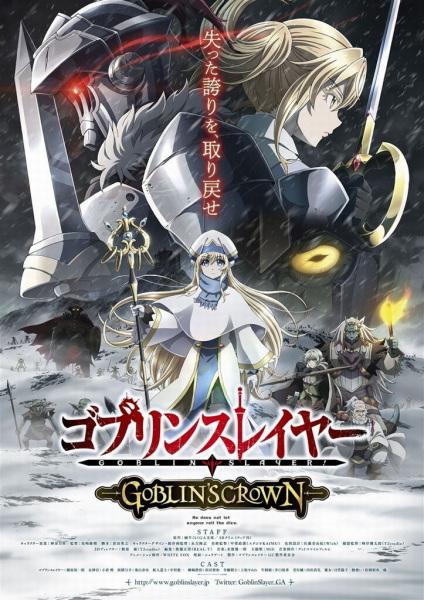
Goblins may be dismissed as minor pests, but their numbers, guile, and brutality make them a constant danger—especially to remote villages. While most adventurers chase richer rewards and higher-profile monsters, raids and disappearances continue in the countryside, leaving the threat largely ignored.
On her first day as a Porcelain-ranked adventurer, a 15-year-old Priestess joins a group of eager newcomers to investigate a goblin nest tied to missing village women. The mission quickly turns disastrous when the party is ambushed inside a cave, and the Priestess is left with no way out—until a seasoned warrior known as the Goblin Slayer arrives, cutting through the nest and saving her.
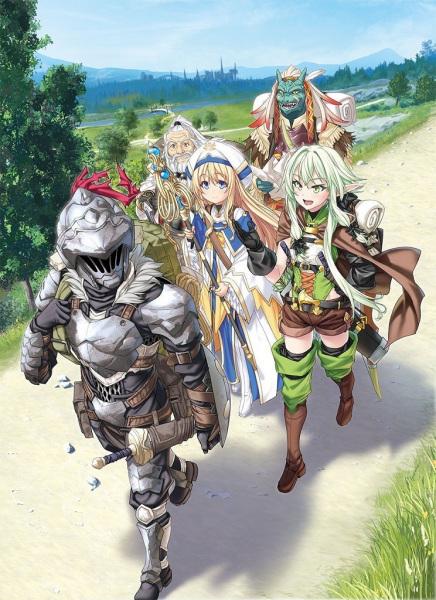
Recognized as a Silver-ranked adventurer, the Goblin Slayer focuses exclusively on goblin extermination for the Adventurer’s Guild, and he allows the Priestess to accompany him. Joined by an Elf, a Dwarf Shaman, and a Lizardman, he pursues a single-minded campaign across the frontier, determined to wipe out every goblin he can find.
Otaku Consensus
White Fox’s 12-episode adaptation is most convincing when director Takaharu Ozaki treats goblin hunts like hostile tabletop encounters: clear geography, dirty tactics, and a farm-defense finale that pays off the show’s survival logic. Its dedicated fanbase values the brisk pacing, Hideyuki Kurata’s quest-board structure, and Kenichirou Suehiro’s dread-heavy scoring, while the genuine sticking point remains the premiere’s graphic sexual violence and the feeling among detractors that the shock tactics can cross from horror into indulgence.
Why You Should Watch
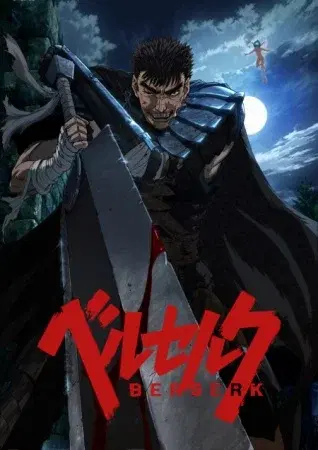
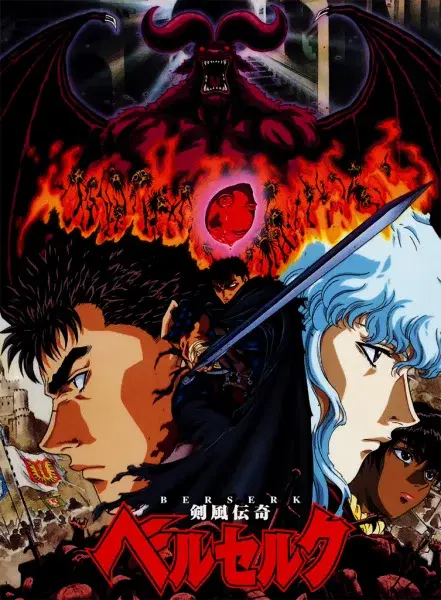
Watch Goblin Slayer if you want fantasy adventuring stripped of chosen-one glamour: armor gets dirty, spells are limited resources, caves are deathtraps, and “weak” monsters become terrifying through logistics. It scratches the grim survival itch of Berserk more than the escapist itch of isekai power fantasy, while its party dynamics give it a tabletop-RPG texture closer to a lethal dungeon crawl than a heroic campaign. The appeal is in method: scouting, traps, positioning, preparation, and the cold arithmetic of a specialist who has optimized his life around one enemy type. If you want dark fantasy that treats low-level quests as battlefield horror without waiting for a demon king to matter, this is the hook.
Key Characters
- GGoblin Slayer
Fans discuss him less as a conventional hero than as a trauma-forged procedure manual in armor, defined by preparation, repetition, and an almost anti-charismatic refusal to chase prestige.
- PPriestess
Her role is compelling because her growth is measured in judgment, timing, and emotional endurance rather than sudden combat dominance.
- HHigh Elf
She gives the party its sharpest friction with Goblin Slayer’s tunnel vision, pushing the series to contrast adventure as wonder against adventure as extermination work.
- DDwarf
He helps shift the group chemistry away from lone-wolf grimness by bringing veteran-adventurer pragmatism and a more social tabletop-party rhythm.
What Makes It Stand Out
- 1
White Fox’s production frames the season as a compact 12-episode campaign rather than an open-ended fantasy sprawl, with missions organized around Guild work, rank culture, and resource management.
- 2
Director Takaharu Ozaki and series composer Hideyuki Kurata emphasize procedure: cave layouts, ambush logic, spell limits, and environmental hazards matter as much as swordplay.
- 3
The first episode became the show’s defining controversy because reviewers specifically singled out its graphic violence and rape scenes as difficult to stomach, setting a harsher content threshold than many fantasy action premieres.
- 4
Kenichirou Suehiro’s music is a major tonal anchor, using dread-forward scoring to make dungeon sequences feel closer to horror set-pieces than standard adventure battles.
- 5
AniList’s high CGI tag reflects a visible production choice: Goblin Slayer’s armored presence and some action staging stand out from the otherwise traditional White Fox fantasy look.
Fun Facts & Trivia
- Fun fact 1
- Takashi Nagayoshi had an unusually central visual role: he is credited for character design, chief animation direction, animation direction on episodes 1 and 7, and key animation.
- Fun fact 2
- The anime adapts Kumo Kagyuu’s original story with Noboru Kannatsuki’s original character designs, while White Fox handled the 2018 TV production.
- Fun fact 3
- Soraru performed the ending theme, adding a major utaite name to the show’s music credits.
- Fun fact 4
- Its database profile shows a sharp split between reach and ranking: on MyAnimeList it holds a 7.41 score from 736,972 votes, ranks #2570, yet sits at a very high #135 in popularity.
- Fun fact 5
- AniList’s tag spread captures the show’s identity more bluntly than genre labels do: Goblin at 97%, Revenge at 89%, Gore at 83%, and both Nudity and Female Harem at 79%.
Studios
- White Fox