Hi Score Girl: Extra Stage
ハイスコアガール EXTRA STAGE (High Score Girl: Extra Stage)
- Comedy
- Romance
- Love Polygon
- School
- Video Game
- Episodes
- 3
- Duration
- 25 min per ep
- Aired
- Mar 20, 2019
- Status
- Finished Airing
Synopsis
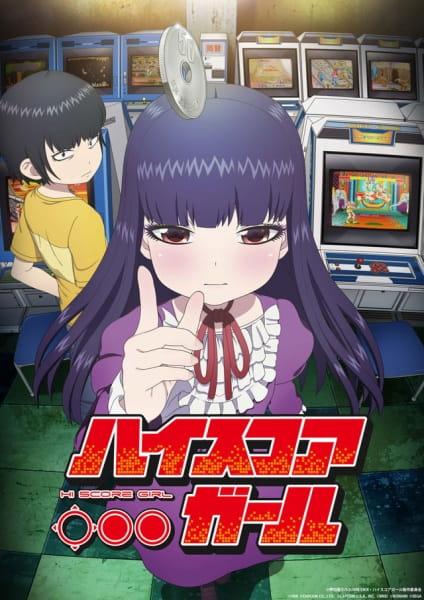
Four years after their first encounter, Haruo Yaguchi, Akira Oono, and Koharu Hidaka are still closely connected, with video games continuing to shape their everyday lives. Their easygoing bond starts to feel more complicated as Akira faces increasingly strict guidance from her teacher, Gouda Moemi.
At the same time, Koharu’s feelings for Haruo begin to grow, adding a new tension to their familiar dynamic. Haruo may not always be the most level-headed or considerate, but the passion that brought them together—his wholehearted love of gaming—remains as strong as ever.
Otaku Consensus
Hi Score Girl: Extra Stage earns its reputation as essential connective tissue rather than disposable OVA material, with Yoshinobu Yamakawa’s compact direction and Tatsuhiko Urahata’s series composition using three episodes to sharpen the Akira-Koharu-Haruo tension before Season 2. Critics and fans consistently single out its steady pacing, relationship context, and retro-fighting-game flavor as the reasons it works; the recurring complaint is that the adaptation still skips and condenses manga material, leaving some character beats feeling abbreviated.
Why You Should Watch
Watch Extra Stage if you want a school romance where feelings are expressed through arcade rivalry, stubborn pride, and competitive rituals instead of clean confessions. It is especially rewarding for viewers who like the emotional messiness of a love polygon but do not want the gaming element treated as window dressing; the series’ identity is built around video-game culture, particularly the cadence of fighting-game obsession. It scratches part of the same itch as Toradora! for sharp romantic frustration, while offering the hobby-specific charm that gamer anime often promise but rarely integrate this tightly. Because it sits between the first season and the second, these three episodes are best treated as required viewing, not a bonus side story.
Key Characters
- HHaruo Yaguchi
Haruo remains compelling because his emotional vocabulary is hilariously underdeveloped compared with his encyclopedic devotion to games, making every social misread feel character-specific rather than random.
- AAkira Oono
Akira’s appeal comes from how much the series lets silence, competitiveness, and physical comedy carry her presence instead of giving her conventional romantic dialogue.
- KKoharu Hidaka
Koharu is the character fans point to when discussing the show’s sharper romantic tension, because her feelings are unusually direct in a cast defined by avoidance and miscommunication.
- GGouda Moemi
Gouda Moemi gives the OVA its external pressure point, turning Akira’s private world into something visibly constrained by adult authority.
What Makes It Stand Out
- 1
Extra Stage is a three-episode continuation released on March 20, 2019, and its biggest structural distinction is that it functions as the bridge between the first TV season and Season 2 rather than as a detachable bonus.
- 2
The production is by J.C.Staff and is strongly identified with a full-CGI approach, an unusual choice for a school romcom that makes the arcade and slapstick rhythms feel visually consistent with the series’ game-centered identity.
- 3
The OVA’s reputation among viewers is tied to its placement in the adaptation: it supplies key context for the Akira-Koharu conflict that later becomes central, which is why fans often warn newcomers not to skip it.
- 4
Youko Shimomura handles the music, a particularly apt credit for a series built around video-game culture, since her name is strongly associated with game music among anime and gaming fans.
- 5
Sound is a major part of the show’s texture, with Jin Aketagawa credited as sound director and Rei Ueno on sound effects, reinforcing the arcade-comedy timing beyond the visuals alone.
Fun Facts & Trivia
- Fun fact 1
- Rensuke Oshikiri, the original creator, is directly credited here, and the OVA’s reception often centers on how it preserves the manga’s character dynamics while compressing some material.
- Fun fact 2
- Tatsuhiko Urahata’s series composition is especially important in Extra Stage because the format has only three episodes to connect two larger TV seasons without feeling like a recap.
- Fun fact 3
- AniList’s tag profile highlights just how specific the show’s identity is: Video Games is tagged at 90%, Full CGI at 84%, Urban at 76%, and Tsundere at 75%.
- Fun fact 4
- The OVA is classified as seinen while focusing largely on a teen cast, which helps explain its mix of adolescent romance, nostalgic arcade detail, and dry observational comedy.
- Fun fact 5
- Among online reactions, a recurring praise point is that Extra Stage introduces new relationship pressure while keeping the story moving at a steady pace; the recurring caveat is that parts of the manga are skipped or condensed.
Studios
- J.C.Staff