Gintama
銀魂
- Action
- Comedy
- Sci-Fi
- Gag Humor
- Historical
- Parody
- Samurai
- Episodes
- 201
- Duration
- 24 min per ep
- Aired
- Apr 4, 2006 to Mar 25, 2010
- Status
- Finished Airing
Synopsis
Edo was once the proud heart of samurai spirit, but everything changes after feudal Japan yields to the alien Amanto. The shogunate returns in name only as a puppet regime, and a sweeping edict bans swords from the streets—leaving the old ideals of the warrior class seemingly out of place in a city now shaped by otherworldly influence.
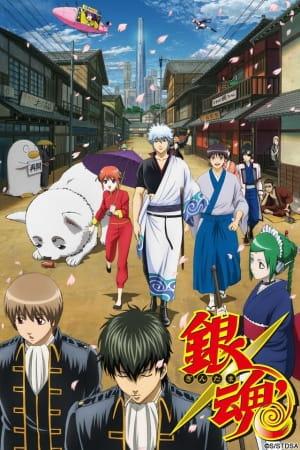
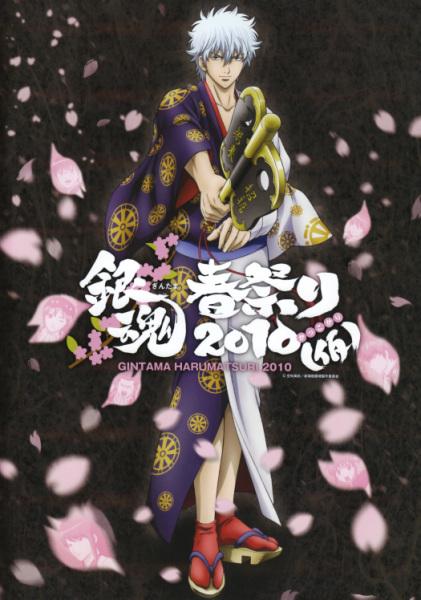
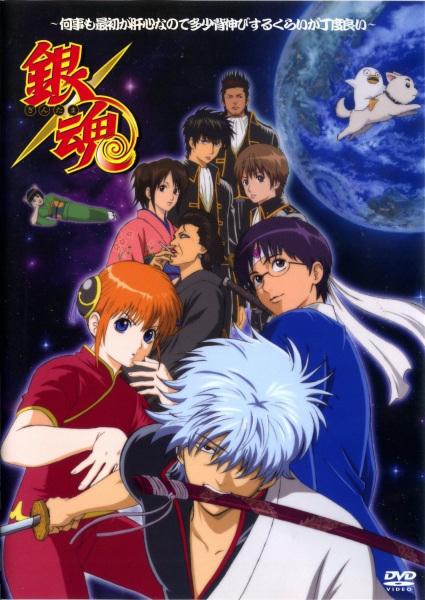
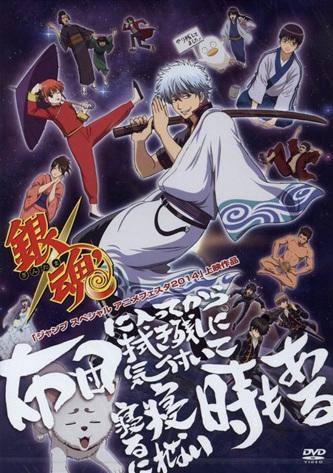
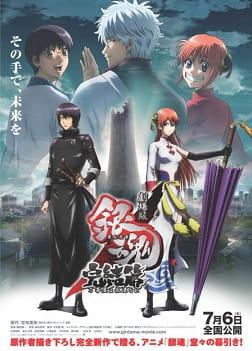
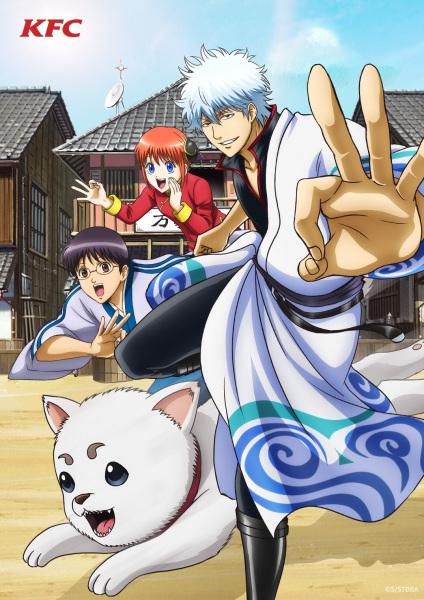
Gintoki Sakata, a silver-haired oddball who refuses to let go of his samurai pride, still walks around with a wooden sword despite the law. Running Yorozuya, an odd-jobs shop, he takes on whatever work comes through the door, often finding that even simple requests spiral into unpredictable trouble.
At his side are Shinpachi Shimura, a bespectacled boy trying to learn the samurai way; Kagura, a tough, endlessly hungry girl gifted with superhuman strength; and Sadaharu, their enormous pet dog with a habit of biting heads. Together, the Yorozuya stumble into everything from alien nobility to clashes with neighborhood gangs, navigating a chaotic Edo where history and sci-fi collide.
Otaku Consensus
Gintama earns its elite reputation because Sunrise’s adaptation understands Hideaki Sorachi’s timing: the direction lets conversations detour, escalate, and break format without losing the cast’s emotional center. Its strongest asset is versatility across 201 episodes, moving from gag-driven, reference-heavy episodic comedy into action and character conflict without making either mode feel like a betrayal. The most common criticism is real: the early stretch can feel loose and patience-testing, especially for viewers who need immediate plot momentum or who bounce off Japanese wordplay and topical parody.
Why You Should Watch
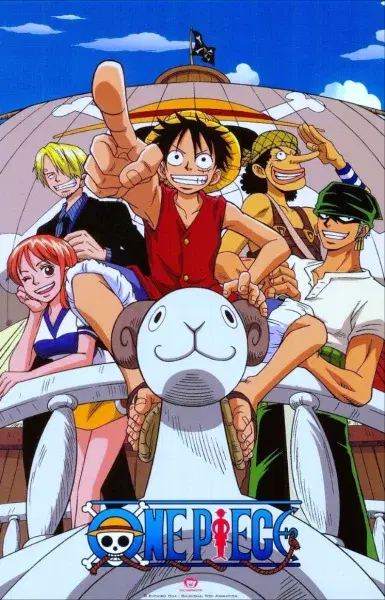
Watch Gintama if you want a long-form shounen that treats comedy as seriously as combat, not as filler between “real” arcs. It scratches the same chaotic ensemble itch as One Piece, but with the fourth-wall vandalism and rapid-fire absurdity closer to Saiki K. or a late-night sketch show. The appeal is not just that it is funny; it is that the format can absorb police farce, samurai melodrama, sci-fi nonsense, crude puns, idol jokes, and sudden sincerity without changing shows. If you like anime that rewards familiarity with the medium itself, Gintama becomes funnier the more anime, manga, games, and Japanese pop culture you have absorbed. If you want tight plot propulsion from episode one, this is the wrong door.
Key Characters
- GGintoki Sakata(VA: Tomokazu Sugita)
Gintoki is beloved because Sugita plays him as both a deadpan parody of shounen masculinity and a character whose laziness never fully hides his old-school personal code.
- SShinpachi Shimura(VA: Daisuke Sakaguchi)
Shinpachi functions as the series’ indispensable straight man, often making him less the “normal one” than the precision instrument that keeps the jokes readable.
- KKagura(VA: Rie Kugimiya)
Kagura became a fan favorite by weaponizing Kugimiya’s comic timing against type: childish, blunt, physically overwhelming, and rarely reduced to a conventional heroine role.
What Makes It Stand Out
- 1
Sunrise produced a 201-episode first TV run from April 2006 to March 2010, giving the adaptation enough space to build a sitcom-like rhythm before pivoting into heavier shounen material when needed.
- 2
The structure is deliberately episodic: AniList tags it at 80% Episodic, and that format lets the show treat parody targets, guest conflicts, and character routines as renewable fuel rather than side content.
- 3
Akatsuki Yamatoya handled series composition and also wrote scripts, while Michiko Yokote is credited as a scriptwriter; that staff setup helps explain the show’s facility with both fast gag construction and longer character-driven turns.
- 4
The comedy is unusually meta for a mainstream shounen adaptation, reflected in AniList’s 88% Meta, 95% Parody, and 80% Satire tags; the show frequently makes the mechanics of anime, fandom, and television part of the joke.
- 5
Audio Highs is credited for the music and insert song composition, with Katsuyoshi Kobayashi as sound director, an important pairing for a series whose punchlines often depend on abrupt tonal shifts, silence, and musical overstatement.
Fun Facts & Trivia
- Fun fact 1
- Gintama’s first TV series finished with a MyAnimeList score of 8.93 from 426,569 votes, ranking #21 while also sitting at #148 in popularity, a rare combination of broad reach and high-score durability.
- Fun fact 2
- AniList records 16,893 favourites for the series and an 85/100 score, showing that its reputation is not confined to one database or a single fan community.
- Fun fact 3
- Hideaki Sorachi is credited as the original creator, while Sunrise handled the anime production, connecting a highly authorial gag-manga voice with a studio experienced in long-running TV anime.
- Fun fact 4
- The main trio’s Japanese voice cast became central to the show’s identity: Tomokazu Sugita, Daisuke Sakaguchi, and Rie Kugimiya are not just delivering lines but sustaining a 201-episode comic rhythm.
- Fun fact 5
- Piko is credited for theme song performance, while Mikako Takahashi is credited for insert song performance, adding to a production profile that treats songs as part of the show’s comedy and tonal playbook.
Studios
- Sunrise