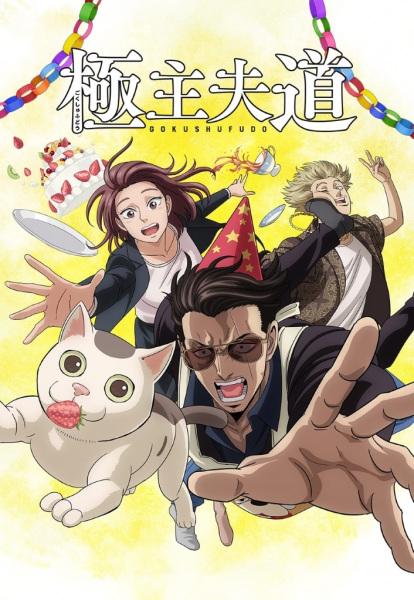
The Way of the Househusband
極主夫道 (Gokushufudou)
- Comedy
- Adult Cast
- Gag Humor
- Organized Crime
- Episodes
- 5
- Duration
- 17 min per ep
- Aired
- Apr 8, 2021
- Status
- Finished Airing
Synopsis
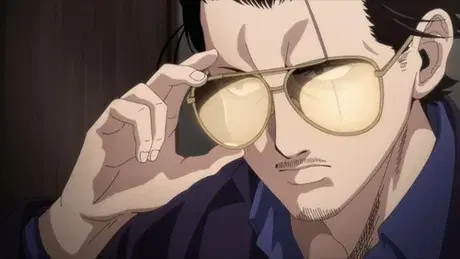
Once known as the dreaded yakuza legend “Immortal Dragon,” Tatsu has disappeared from the world of gang wars and rival skirmishes. Few realize where he went: he’s now living quietly in an apartment with his wife, committed to leaving his former life behind.
Apron on and intensity intact, Tatsu throws himself into homemaking with the same fearsome dedication—perfecting home-cooked meals, hunting down the best supermarket bargains, and handling everyday chores with startling proficiency. His sudden transformation leaves former allies and old enemies equally baffled, as his controversial past collides with a decidedly unconventional domestic routine.
Otaku Consensus
The Way of the Househusband lands as a brisk, funny 7-ish comedy because Chiaki Kon’s direction understands the manga’s punchline-first rhythm: short segments, hard cuts, and domestic minutiae treated like life-or-death missions. Its divisive point is also its identity: J.C.Staff’s deliberately stiff, Flash-like presentation preserves Kousuke Oono’s panel timing, but critics commonly fault the adaptation for feeling choppy and for adding little beyond the source manga.
Why You Should Watch
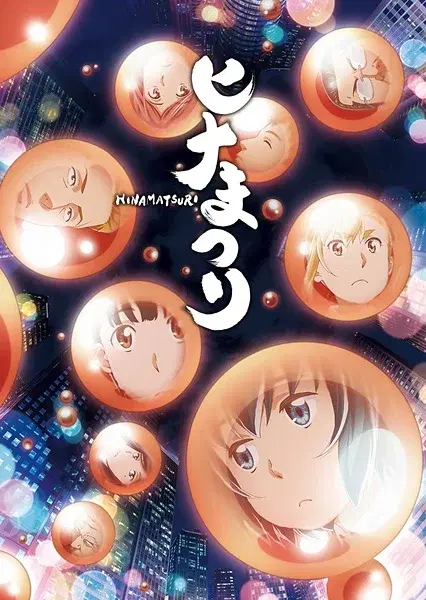
Watch this if you want adult-cast gag comedy without a long continuity commitment, tournament escalation, or school-club padding. At five episodes, it plays like a rapid-fire sketch reel: yakuza-coded language is slammed into coupons, cooking, chores, and neighborhood errands until the mismatch becomes the joke engine. It scratches a similar “absurd adults doing mundane things with extreme conviction” itch as Life Lessons with Uramichi Oniisan, with the deadpan criminal-parody edge of Hinamatsuri’s yakuza scenes, but it is leaner and more bite-sized than either. The limited-motion style will not satisfy viewers looking for sakuga, yet the timing, sound direction, and punchy opening and ending themes make it ideal for fans who value delivery over visual spectacle.
Key Characters
- TTatsu
Fans respond to Tatsu because every ordinary task is performed with the composure, vocabulary, and intimidation aura of a legendary crime figure, making him the series’ entire comedy mechanism rather than just its lead.
- MMiku
Miku works as the grounded adult counterweight, letting the show’s most ridiculous domestic standoffs feel like part of an actual household routine instead of isolated sketches.
- MMasa
Masa amplifies the culture-clash humor by treating Tatsu’s homemaking discipline with the same reverence he would give underworld mentorship.
What Makes It Stand Out
- 1
J.C.Staff’s adaptation uses a deliberately limited, Flash-like visual approach, a choice reflected in AniList’s high “Flash” tag percentage and in reviews that call the styling choppy but still funny.
- 2
The five-episode format makes the series unusually low-commitment for a seinen comedy, with episodic gag construction rather than a conventional season-long arc.
- 3
Chiaki Kon’s direction prioritizes manga-style punchline timing: static compositions, sharp cuts, and exaggerated vocal delivery carry many jokes more than fluid character motion.
- 4
The production leans into adult urban comedy rather than youth ensemble comedy, matching AniList’s strong tags for Primarily Adult Cast, Urban, Family Life, Yakuza, and Slapstick.
- 5
Sound is central to the adaptation’s appeal: Jin Aketagawa handled sound direction, Gin composed the music, and multiple viewer reviews specifically singled out the opening and ending themes as worth keeping.
Fun Facts & Trivia
- Fun fact 1
- The anime is adapted from Kousuke Oono’s original manga, which is why several critics judged it less as a reinvention and more as a motion-comic-style translation of already strong gag material.
- Fun fact 2
- Susumu Yamakawa is credited for both series composition and script, giving the short season a notably unified writing structure across its five episodes.
- Fun fact 3
- The staff list separates visual responsibilities across Kohaku Ujiie as art director, Asuka Hino on color design, Yurina Yagi as director of photography, and Honami Yamagishi on editing, fitting a production where timing and presentation are more debated than raw animation volume.
- Fun fact 4
- Reception sits in solid-but-divisive territory: the series holds a 7.26 MAL score from 269,381 votes, an AniList score of 71/100, and 3,065 AniList favourites, while its MAL popularity rank of #550 shows far wider reach than its rank alone suggests.
- Fun fact 5
- Early web reviews from April 2021 repeatedly framed the Netflix release as light, funny, and easy to recommend, with the central backlash focused less on the jokes than on whether the animation style did enough for an anime adaptation.
Studios
- J.C.Staff