Sailor Moon S
美少女戦士セーラームーン S (Bishoujo Senshi Sailor Moon S)
- Romance
- Mahou Shoujo
- Episodes
- 38
- Duration
- 24 min per ep
- Aired
- Mar 19, 1994 to Feb 25, 1995
- Status
- Finished Airing
Synopsis
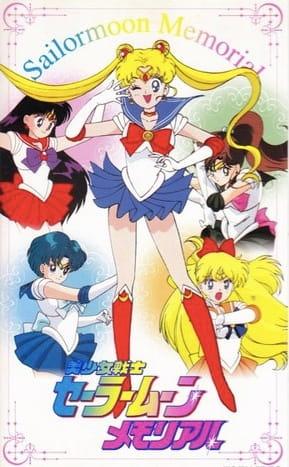
Sailor Moon S follows Sailor Moon and the Sailor Guardians as they continue defending Earth, only for Sailor Mars’ ominous visions to hint at an approaching catastrophe. Their path soon crosses with two new Sailor Guardians—Sailor Uranus and Sailor Neptune—whose mission and methods set them apart from the rest.
Uranus and Neptune are searching for three Talismans hidden within the Pure Heart Crystals of humans; united, they become the Holy Grail, a powerful relic believed to be key to saving the world. But the Death Busters are also after that power, turning the hunt into a race against a growing threat. With extracting a Talisman costing its host’s life, the Guardians are forced into a painful clash of ideals over what, if anything, can justify such a sacrifice.
Otaku Consensus
Sailor Moon S earns its reputation as the franchise’s breakout middle season by pairing Kunihiko Ikuhara’s sharper direction with the series’ strongest narrative throughline to that point, especially the more mature dramatic charge surrounding Uranus and Neptune. Its 7.92 MAL score and 78 AniList score reflect broad affection rather than unanimity: the common complaint is that the 38-episode monster-of-the-week rhythm can still create fatigue when watched in large chunks.
Why You Should Watch
Watch Sailor Moon S if you want magical-girl romance and transformation spectacle with real ethical pressure, but without losing the comedy, slapstick, and comforting tokusatsu cadence that made the original anime so rewatchable. It scratches the same itch as Cardcaptor Sakura for urban fantasy warmth, while hinting at the more charged symbolism Kunihiko Ikuhara would later be associated with. This is the season for viewers who like found-family casts tested by incompatible ideals, not just bigger attacks or new costumes. The appeal is also historical: Toei’s long-running weekly-TV craft, Takanori Arisawa’s instantly recognizable musical language, and Ikuko Itou’s elegant character supervision turn a franchise formula into something more operatic and emotionally pointed.
Key Characters
- MMinako Aino(VA: Rica Fukami)
Minako brings veteran magical-girl confidence to the Inner Senshi lineup, giving the group a bright show-business energy that keeps the heavier season from becoming relentlessly grim.
- RRei Hino(VA: Michie Tomizawa)
Rei’s spiritual intensity gives this season one of its earliest tonal shifts, moving her from fiery teammate banter into a sharper source of dread and urgency.
- CChibiusa(VA: Kae Araki)
Chibiusa’s presence keeps the season’s coming-of-age angle active, grounding cosmic-scale danger in a younger character’s need for belonging and trust.
- MMichiru Kaiou(VA: Masako Katsuki)
Michiru is central to why fans single out this season: her poised, mature presence gives the cast a different emotional register and makes the new Guardian dynamic feel genuinely consequential.
What Makes It Stand Out
- 1
Kunihiko Ikuhara directs the season, and the result is a more theatrical version of Sailor Moon’s weekly formula, with romantic tension, symbolic imagery, and moral confrontation pushed closer to the foreground than in the earlier TV run.
- 2
Ikuko Itou serves as both character designer and chief animation director, making Sailor Moon S one of the franchise entries most associated with a polished, graceful late-cel-era character look.
- 3
The season’s reputation rests heavily on its continuous dramatic throughline; even mixed user reviews praise the premise as more complex than the first two seasons, while positive reviews call it the best narrative structure the anime had delivered so far.
- 4
Takanori Arisawa’s music remains a major part of the show’s identity, giving the romance, henshin sequences, and superhero beats a consistent sonic signature across the 38-episode run.
- 5
Haruka and Michiru’s mature pairing is repeatedly highlighted in fan criticism as a major upgrade to the ensemble dynamic, especially for viewers drawn to the franchise’s LGBTQ+ themes and more adult pathos.
Fun Facts & Trivia
- Fun fact 1
- Sailor Moon S aired for nearly a full year, from March 19, 1994 to February 25, 1995, but runs 38 episodes, making it a tightly contained season by long-running magical-girl TV standards.
- Fun fact 2
- The writing credits listed for this season include Youji Enokido on episodes 7, 11, 17, 21, 25-26, 30, and 35-36, while Katsuyuki Sumisawaa contributed scripts for episodes 3, 12-13, 18, and 29.
- Fun fact 3
- Hideyuki Morioka provided key animation on episodes 3, 5, 10, 14, 20, and 26, giving animation-focused fans specific installments to track when studying the season’s production texture.
- Fun fact 4
- The season sits in a sweet spot of popularity and critical affection: MAL lists it at 7.92 from 83,947 votes, while AniList records a 78/100 score and 1,113 favourites.
- Fun fact 5
- Reception to the wider 1990s Sailor Moon anime has long been shaped by access and localization history; web criticism notes that the English dub was often the only practical option for many viewers before fuller home-video availability caught up.
Studios
- Toei Animation