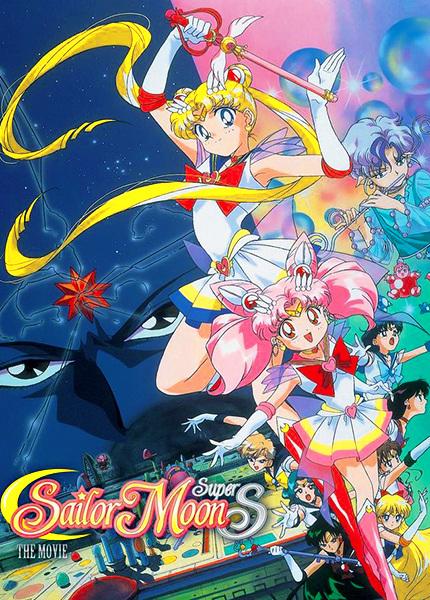
Sailor Moon SuperS
美少女戦士セーラームーン Super S (Bishoujo Senshi Sailor Moon SuperS)
- Romance
- Mahou Shoujo
- Episodes
- 39
- Duration
- 24 min per ep
- Aired
- Mar 4, 1995 to Mar 2, 1996
- Status
- Finished Airing
Synopsis
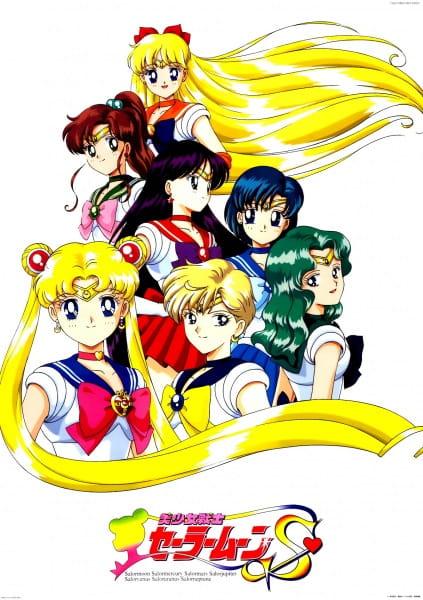
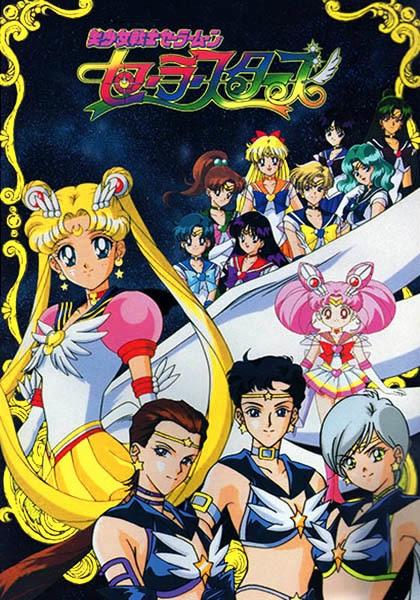
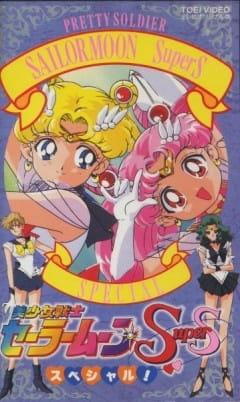
*Sailor Moon SuperS* shifts the spotlight to Chibi-usa alongside the Sailor Guardians as a new threat emerges: the Dead Moon Circus. Seeking the Golden Dream Mirror as a means to dominate the world, the troupe targets ordinary people by stealing their Dream Mirrors and testing the energy within.
Amid the escalating danger, Chibi-usa gains an unexpected ally in Pegasus, while the Sailor Senshi awaken new powers to face the circus’s growing menace.
Otaku Consensus
Sailor Moon SuperS is the franchise’s prettiest divisive detour: Kunihiko Ikuhara’s direction, Ikuko Itou’s refined character work, and Takanori Arisawa’s dreamlike score give the season a polished fairy-tale atmosphere that many fans still defend. Its reputation is held back by a structural pivot toward Chibiusa, looser continuity after Sailor Moon S, and manga-adaptation choices that make the middle stretch feel repetitive or filler-heavy to critics. The verdict: visually and musically distinctive, emotionally lighter than its predecessor, and best appreciated as a romantic magical-girl fantasia rather than a momentum-driven sequel.
Why You Should Watch
Watch Sailor Moon SuperS if you want the franchise at its most ornate, comedic, and fairy-tale-coded without the heavier apocalyptic weight of Sailor Moon S. This is the season for viewers who like mahou shoujo as mood: circus imagery, dreamy music cues, polished henshin spectacle, slapstick ensemble comedy, and a romantic coming-of-age angle centered on Chibiusa. It scratches a similar itch to Cardcaptor Sakura’s softer magical intimacy, but with the louder superhero grammar of classic Toei Sailor Moon. If your favorite parts of the series are transformations, attacks, found-family banter, and the theatrical weirdness of monster-of-the-week storytelling, SuperS has a specific charm; if you need tight escalation and equal development for every Guardian, its limitations will be obvious.
Key Characters
- CChibiusa(VA: Kae Araki)
Chibiusa becomes the season’s emotional center, a creative choice that turns SuperS into one of the franchise’s most polarizing entries among fans who either enjoy or resist her expanded role.
- HHelios(VA: Taiki Matsuno)
Helios gives the season its soft mythic-romance texture, functioning less like a standard ally and more like the key to its dream-world atmosphere.
- MMinako Aino(VA: Rica Fukami)
Minako remains one of the ensemble’s sharpest comic engines, especially in a season whose slapstick and lighter pacing lean into her theatrical personality.
- RRei Hino(VA: Michie Tomizawa)
Rei’s appeal in SuperS comes from how well her blunt confidence cuts through the season’s sweeter tone, keeping the team dynamic from becoming too weightless.
What Makes It Stand Out
- 1
Toei Animation’s presentation is frequently singled out as one of SuperS’s strongest assets, with reviewers noting improved fluidity in transformation and attack footage compared with earlier stretches of the TV series.
- 2
Takanori Arisawa’s score is central to the season’s identity; fan commentary specifically praises cues such as the Crystal Forest theme and Moon Gorgeous Meditation theme for giving SuperS its hazy, storybook tone.
- 3
The season makes a major structural gamble by moving significant attention away from Usagi and toward Chibiusa, which is the same choice that fuels both its defenders’ affection and its harshest user-review backlash.
- 4
SuperS has a notable reputation as one of the anime’s most visually consistent seasons, helped by Ikuko Itou serving as both character designer and chief animation director.
- 5
Its adaptation is remembered as notably different from the manga version of the Dead Moon material, a point often raised when discussing why the anime season feels lighter, more episodic, and less tightly connected to the previous arc.
Fun Facts & Trivia
- Fun fact 1
- Sailor Moon SuperS aired for 39 episodes from March 4, 1995 to March 2, 1996, making it a full year of weekly Sailor Moon television between Sailor Moon S and the final TV season.
- Fun fact 2
- Ikuko Itou held two major visual roles on the production, credited for character design and as chief animation director, which helps explain why fans often identify SuperS by its rounded, polished look.
- Fun fact 3
- Yoshinori Kanada, one of Japan’s most influential animation figures, is credited for in-between animation on the season, a small but notable production credit for animation-history watchers.
- Fun fact 4
- Cristina D’Avena performed the Italian opening theme and the second Italian ending theme, reflecting how strongly Sailor Moon’s broadcast identity changed across international markets.
- Fun fact 5
- Its database reception shows the split clearly: a 7.64 MyAnimeList score from more than 66,000 votes and a 74/100 AniList score point to a season that is liked overall, but less unanimously embraced than the franchise’s most celebrated arcs.
Studios
- Toei Animation