Mysterious Play
ふしぎ遊戯 (Fushigi Yuugi)
- Action
- Adventure
- Fantasy
- Isekai
- Romance
- Martial Arts
- Reverse Harem
- Episodes
- 52
- Duration
- 23 min per ep
- Aired
- Apr 6, 1995 to Mar 28, 1996
- Status
- Finished Airing
Synopsis
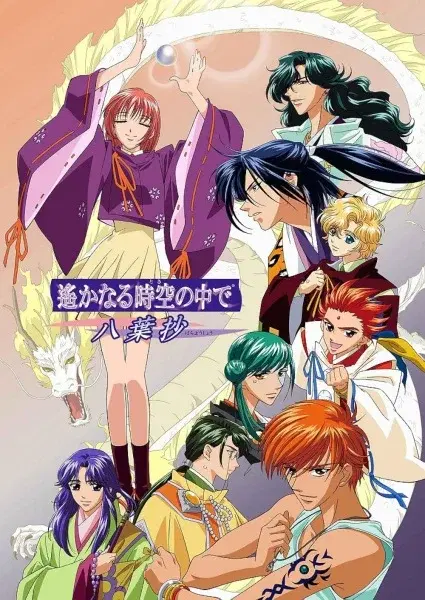
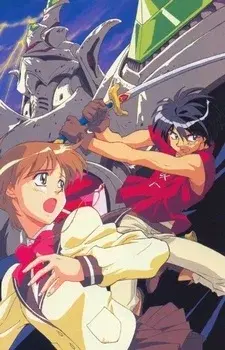
At the National Library, Miaka Yuuki and Yui Hongo discover an ancient volume that suddenly shines with a crimson glow and pulls them into the world inside its pages. Thrown into danger almost immediately, they run afoul of slave traders and survive only with the help of Tamahome, a formidable young man marked with a Chinese character on his forehead—until the red light flares again and tears Yui away.
Left behind, Miaka turns to Tamahome as she searches for a way to bring her friend back. Their path soon crosses Emperor Hotohori, who is convinced Miaka is the prophesied priestess of Suzaku, guardian deity of his kingdom. If she can gather Suzaku’s seven Celestial Warriors, she can summon the god and have her wishes fulfilled—an answer Hotohori believes could save his country, and a possibility Miaka can’t ignore.
Back in the library, Yui finds herself returned to reality alone, powerless to interfere as she watches Miaka endure perilous ordeals as the book’s chosen heroine.
Otaku Consensus
Studio Pierrot’s 52-episode Mysterious Play remains a shoujo-isekai landmark because Hajime Kamegaki’s direction lets slapstick, martial-arts action, war melodrama, and feverish romance occupy the same serial without sanding off the chaos. Its strongest reputation rests on emotional character turns and on codifying reverse-harem and transported-to-another-world grammar before those labels became industry shorthand; the recurring knock is that Miaka’s writing, dated gag language, and uneven tonal pivots can make the execution feel rougher than the underlying structure.
Why You Should Watch
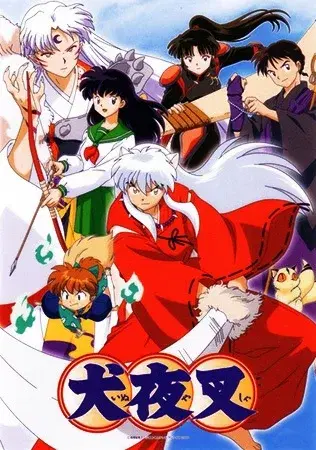
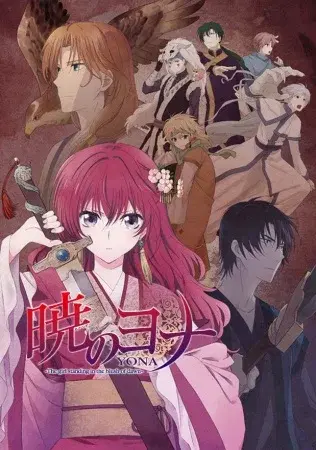
Watch Mysterious Play if you want the older, messier DNA of shoujo isekai rather than a polished modern genre remix. It scratches the same itch as Vision of Escaflowne or Inuyasha: travel, mythic kingdoms, romantic escalation, and danger that can turn from goofy to cruel in a single episode. The appeal is not sleek animation or restraint; it is the full 1995 TV-anime swing, with Studio Pierrot giving the story 52 episodes to let crushes curdle into obsession, friendships become ideological pressure points, and comedy collide with trauma. If you like reverse-harem dynamics but want them tied to war, mythology, and old-school melodrama instead of pure comfort viewing, this is required viewing.
Key Characters
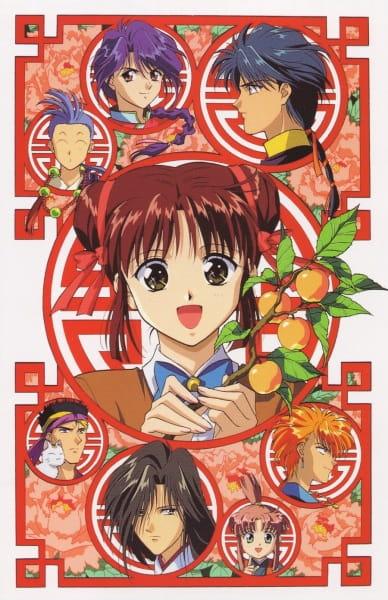
- YYui Hongo(VA: Yumi Touma)
Yui is one of the series’ most discussed figures because her role turns friendship into a source of helplessness, jealousy, and moral pressure rather than simple support.
- HHotohori(VA: Takehito Koyasu)
Hotohori brings courtly beauty, political responsibility, and romantic idealization into the same character, making him more than the decorative emperor archetype.
- CChichiri(VA: Tomokazu Seki)
Chichiri stands out in the ensemble as the kind of comic-masked mentor figure whose light delivery makes his moments of gravity land harder.
- MMitsukake(VA: Kouji Ishii)
Mitsukake adds a quieter, healer-like presence to a cast often driven by romantic rivalry and theatrical emotion.
What Makes It Stand Out
- 1
The series aired as a continuous 52-episode Studio Pierrot TV run from April 1995 to March 1996, giving it far more room for travel, romantic escalation, and ensemble rotation than the one-cour format that later became common.
- 2
Its reputation is inseparable from genre history: user criticism and praise both identify it as a foundational shoujo isekai and reverse-harem work that helped build tropes now familiar across anime.
- 3
Hajime Kamegaki directed the adaptation with character designs by Hideyuki Motohashi and art direction by Yuuji Ikeda, placing it firmly in the cel-era Pierrot mode of expressive faces, heightened shoujo iconography, and theatrical emotional blocking.
- 4
The tonal mixture is unusually volatile even by 1990s standards: web and user reception repeatedly single out the blend of slapstick gags, romance, action scenes, and genuine emotional pain as both its charm and its source of whiplash.
- 5
AniList’s tag spread captures its unusually dense genre identity: Female Protagonist at 94%, Shoujo and Isekai at 84%, Historical at 80%, War and Mythology at 79%, Male Harem at 77%, Ancient China at 73%, and Martial Arts at 60%.
Fun Facts & Trivia
- Fun fact 1
- Yuu Watase is credited as the original creator, which is why the anime is often discussed as a major adaptation in the history of shoujo fantasy rather than merely a 1990s TV curiosity.
- Fun fact 2
- Akemi Satou performed the opening theme and also contributed insert songs in episodes 10, 18, and 28; the ending themes were performed by Yukari Konno and Chika Sakamoto.
- Fun fact 3
- Tatsuya Ishihara is listed among the episode directors, a notable staff credit because he later became strongly associated with Kyoto Animation’s TV direction work.
- Fun fact 4
- The official streaming-style content advisory attached to the series includes violence, profanity, sexualized imagery, suicide, and slurs, a useful warning for viewers expecting only nostalgic romantic fantasy.
- Fun fact 5
- Its database footprint shows durable but not universal affection: MyAnimeList lists a 7.6 score from 54,737 votes, while AniList records a 71/100 score and 535 favourites.
Studios
- Studio Pierrot