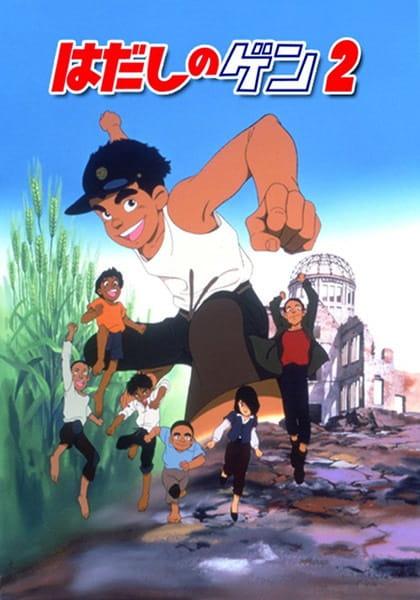
Barefoot Gen
はだしのゲン (Hadashi no Gen)
- Award Winning
- Drama
- Historical
- Episodes
- 1
- Duration
- 1 hr 23 min
- Aired
- Jul 21, 1983
- Status
- Finished Airing
Synopsis
In 1945, as World War II reaches its breaking point, Japan reels under relentless air raids and mounting pressure from U.S. forces. In Hiroshima, Gen Nakaoka is a headstrong, spirited boy trying to get by with his family amid severe shortages and the daily strain of wartime life. Despite the hardship, they cling to the hope that Japan’s defeat will bring an end to the suffering—and that their city might be spared.
That fragile optimism is shadowed by an approaching disaster they cannot foresee: the deployment of “Little Boy,” the atomic bomb that will unleash unprecedented destruction and leave a lasting mark on Japan and its people.
Otaku Consensus
Barefoot Gen's reputation is heavier than its MAL score suggests: a 7.77 from 23,138 voters and a 74/100 AniList score reflect admiration for its historical force more than easy rewatchability. Mori Masaki's blunt direction, Madhouse's willingness to animate bodily horror without symbolic distance, and the film's close connection to Keiji Nakazawa's autobiographical source give it an authority few war anime can match; the recurring criticism is that a single-feature adaptation compresses the broader manga into a harsher, less shaded experience.
Why You Should Watch
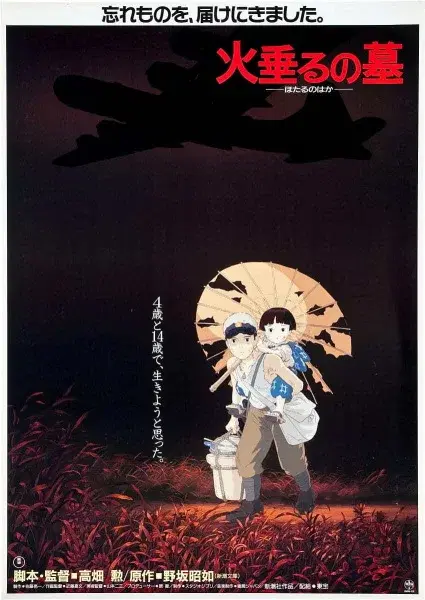
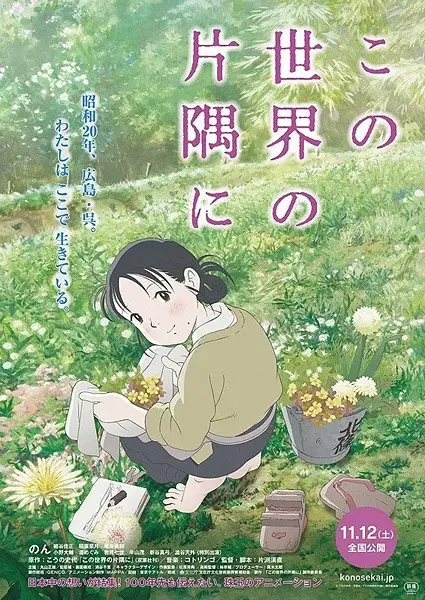
Watch Barefoot Gen if you want historical anime that refuses the soft-focus tragedy often attached to wartime childhood stories. It scratches the same moral nerve as Grave of the Fireflies and In This Corner of the World, but with a rougher, angrier texture: this is not elegy first, but testimony. The appeal is in seeing early Madhouse turn a survivor's manga into a film where cartoon expressiveness and documentary-minded horror occupy the same frame. Viewers interested in animation as historical memory, antiwar art, or manga autobiography will get more from it than those looking for a polished prestige drama. Its short runtime also makes it a concentrated viewing experience rather than a sprawling period piece.
Key Characters
- GGen Nakaoka
Gen stands out as a child protagonist whose stubborn comic vitality is not used to soften the film, but to make its historical violence harder to compartmentalize.
- DDaikichi Nakaoka
Daikichi gives the film its clearest household-level antiwar voice, grounding political dissent in family ethics rather than battlefield rhetoric.
- KKimie Nakaoka
Kimie is central to the film's domestic perspective, turning national catastrophe into something measured through labor, hunger, care, and endurance.
- SShinji Nakaoka
Shinji's presence sharpens the movie's child-cast dynamic, making its shifts from rambunctious everyday energy to historical terror especially severe.
What Makes It Stand Out
- 1
The film was produced by Madhouse and released in 1983 as a single feature, placing it in the studio's early era of theatrical work rather than the later TV-anime boom most viewers associate with the name.
- 2
Its source is Keiji Nakazawa's autobiographical manga, which is why the film's antiwar stance feels less like genre positioning and more like survivor testimony adapted into animation.
- 3
The AniList tag profile is unusually stark for a historical drama: Historical at 100%, War at 91%, Autobiographical at 90%, and Gore at 85%, signaling a work that treats history through explicit physical consequence rather than abstraction.
- 4
Kazuo Oga served as art director, giving the film a notable production pedigree; his background work would later become strongly associated with some of the most recognizable landscape-driven anime films.
- 5
The adaptation's structure is defined by compression: a large manga narrative is distilled into one film, which gives the movie its forceful pace but also explains why some viewers find its secondary material less developed than the source.
Fun Facts & Trivia
- Fun fact 1
- Barefoot Gen is credited to original creator Keiji Nakazawa, whose manga drew directly from his own experience as a Hiroshima survivor, making the film one of anime's most prominent autobiographical war adaptations.
- Fun fact 2
- The key staff includes Mori Masaki as director, Yukio Suzuki as assistant director, Kazuo Tomizawa on character design, and Masao Maruyama credited for design, connecting the film to several major figures in anime production history.
- Fun fact 3
- Kazuo Oga, listed as art director, is a significant name for animation-background fans; his later reputation is tied to painterly environmental work in major Japanese animated films.
- Fun fact 4
- Despite being a one-episode film from 1983, it has maintained a sizable modern database footprint: 23,138 MAL votes, a #1244 MAL rank, and 192 AniList favourites.
- Fun fact 5
- AniList marks the film with both Educational and Gore tags, an unusual combination that captures its dual identity as a historical teaching text and a work of confrontational animated body horror.
Studios
- Madhouse