Saekano: How to Raise a Boring Girlfriend
冴えない彼女〈ヒロイン〉の育てかた (Saenai Heroine no Sodatekata)
- Comedy
- Ecchi
- Romance
- Harem
- Otaku Culture
- School
- Episodes
- 12
- Duration
- 23 min per ep
- Aired
- Jan 16, 2015 to Mar 27, 2015
- Status
- Finished Airing
Synopsis
Tomoya Aki has spent years immersed in anime and light novels, and he’s ready to give something back: making a visual novel of his own. Ambitious as the plan is, he can’t pull it off alone, so he starts gathering the talent he needs to turn a fan’s dream into a real project.
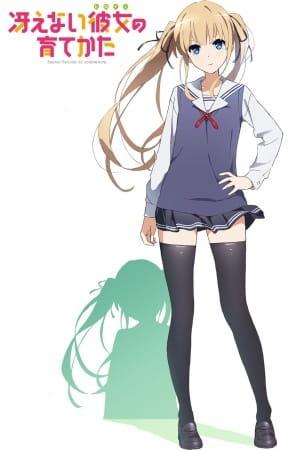
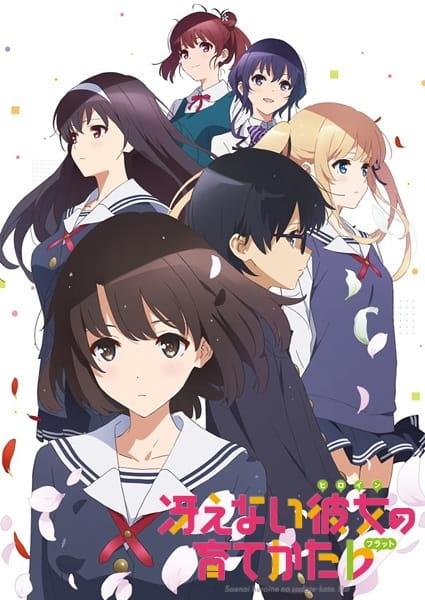
He brings in his childhood friend Eriri Spencer Sawamura as the illustrator and the acclaimed writer Utaha Kasumigaoka to handle the script, with Tomoya taking the role of director. Still lacking a central spark for the heroine, he meets the quiet, unassuming Megumi Katou and chooses her as the model for his main character. As their new doujin circle takes shape, the line between crafting heartfelt stories and living through the emotions that inspire them begins to blur.
Otaku Consensus
Saekano lands because it treats harem and otaku-culture clichés as material to be dissected rather than merely recycled, with Fumiaki Maruto’s series composition giving the visual-novel production angle more bite than a standard school romance. Critics and fans most often praise its self-aware comedy, binge-friendly pacing, and character banter, while the recurring complaint is that its ecchi framing and dense otaku-room reference humor can become distracting instead of incisive.
Why You Should Watch
Watch Saekano if you want a harem comedy that understands the mechanics of harem comedy: the archetypes, the fantasy of the “route,” the creator ego, and the way fandom turns emotion into content. It scratches a similar itch to The World God Only Knows in how it toys with dating-sim logic, but with a more grounded doujin-circle and school-club texture. The hook is not who ends up with whom; it is how the show lets an obsessive male fan collide with actual creative labor, deadlines, taste, and collaborators who have sharper instincts than he does. If you want meta jokes without a full parody reset button, and romance comedy that keeps its otaku specificity instead of sanding it down, this 12-episode season is an easy, high-yield watch.
Key Characters
- TTomoya Aki
Tomoya is compelling less as a wish-fulfillment lead than as a recognizable otaku director type whose passion, tunnel vision, and fanboy vocabulary constantly shape the group dynamic.
- MMegumi Katou
Megumi’s appeal comes from how deliberately low-key she is, making her the series’ sharpest counterpoint to louder harem archetypes and the reason the title’s “boring” label becomes part of the joke.
- EEriri Spencer Sawamura
Eriri gives the show its tsundere and illustrator energy, with fans often reading her as both a genre type and a commentary on how talent and insecurity coexist in fan creation.
- UUtaha Kasumigaoka
Utaha stands out as the scriptwriter figure: composed, cutting, and professionally validated, she brings the writing-focused side of Saekano’s otaku production fantasy into the foreground.
What Makes It Stand Out
- 1
Fumiaki Maruto is credited as both original creator and series composition writer, giving the anime an unusually direct line between source concept and televised structure.
- 2
A-1 Pictures’ adaptation uses Kurehito Misaki’s original character designs as its base, with Tomoaki Takase handling both character design and chief animation direction for a consistent visual identity.
- 3
The series is unusually explicit about creative labor for a harem comedy: AniList tags it at 85% Software Development, 80% Writing, 74% Video Games, and 60% Drawing, reflecting how much of its identity sits in production culture rather than only romance.
- 4
Its meta approach is not incidental branding; AniList marks it 82% Meta and 92% Otaku Culture, and reviews specifically note repeated self-aware jokes and fourth-wall-adjacent gag construction.
- 5
The ending theme is performed by Miku Sawai, while Hajime Hyakkoku handles the score, giving the show a music staff profile separate from its better-known visual and writing credits.
Fun Facts & Trivia
- Fun fact 1
- Saekano aired as a Winter 2015 TV anime from January 16 to March 27, finishing its first season at 12 episodes.
- Fun fact 2
- On MyAnimeList, its popularity ranking of #330 is much higher than its score rank of #2317, showing a series with broad reach even beyond its 7.47 average rating.
- Fun fact 3
- AniList lists 3,172 favourites and a 73/100 score, which closely tracks the MAL reception: positive, widely watched, but not treated as a universal critical darling.
- Fun fact 4
- Kanta Kamei directed the series, while Akiko Fujita served as sound director, placing the show’s comedy timing and dialogue delivery under dedicated direction rather than leaving the meta jokes purely to the script.
- Fun fact 5
- Yoshinobu Tokumoto is specifically credited as episode director for episode 7, a useful production-detail marker for viewers who track individual episode staff.
Studios
- A-1 Pictures