Bakuman.
バクマン。
- Comedy
- Drama
- Romance
- Otaku Culture
- Episodes
- 25
- Duration
- 24 min per ep
- Aired
- Oct 2, 2010 to Apr 2, 2011
- Status
- Finished Airing
Synopsis
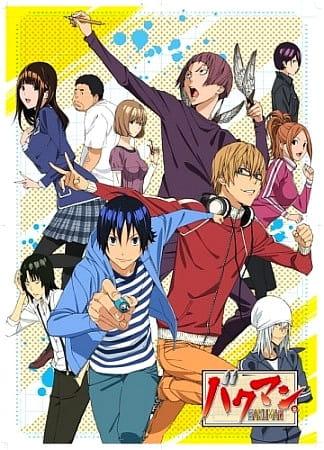
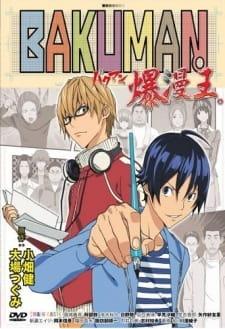
As a boy, Moritaka Mashiro wanted to follow in the footsteps of his uncle and childhood idol, Tarou Kawaguchi, the mind behind a hit gag manga. After a personal tragedy, he abandons that ambition and spends his middle school years focused on academics, planning for a steady salaryman future instead.
Everything shifts when Akito Takagi—his brilliant classmate and an aspiring writer—spots Moritaka’s impressive sketches and urges him to team up. Drawn back toward the world of manga, Moritaka finds extra motivation in his feelings for Miho Azuki: if he can help create a successful title, he hopes she’ll someday voice a character in its anime adaptation. Together, they begin chasing publication under the pen name Muto Ashirogi, aiming to rise to the top of Japan’s manga scene.
Otaku Consensus
Bakuman. earns its strong 8.17 MAL standing by turning manga production into a tense, character-driven procedural, with Reiko Yoshida’s series composition and J.C.Staff’s restrained direction giving deadlines, editor meetings, and creative compromises real dramatic weight. Critics and fans consistently praise its detailed look at publishing and the Mashiro-Takagi dynamic, while the recurring complaint is equally consistent: season one is deliberately slow, and the animation is functional rather than visually exceptional.
Why You Should Watch
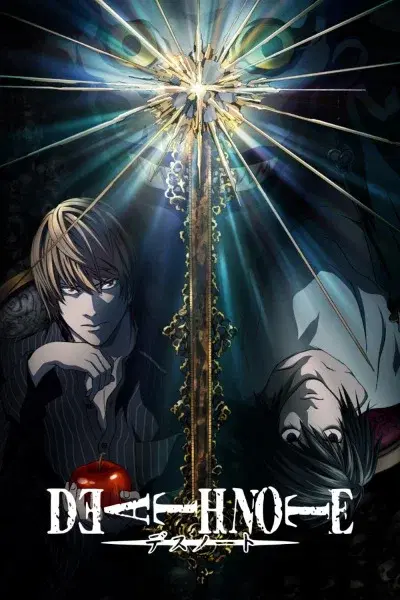
Watch Bakuman. if you want the craft obsession of Shirobako without the workplace chaos, filtered through shounen ambition, school-life pressure, and creator anxiety. Its pleasures are unusually specific: draft revisions, magazine strategy, reader surveys, editor feedback, and the grind of turning taste into a sellable series. The show is built for viewers who enjoy process as drama, where a conversation about paneling or genre choice can carry the same tension as a tournament match. It also scratches the Death Note itch in an unexpected way: Tsugumi Ooba and Takeshi Obata trade supernatural mind games for creative mind games, keeping the focus on rivalry, planning, and the cost of betting your youth on publication.
Key Characters
- MMoritaka Mashiro(VA: Atsushi Abe)
Mashiro is compelling because his talent is never treated as magic; the show keeps returning to the physical grind, insecurity, and discipline behind every page he draws.
- AAkito Takagi(VA: Satoshi Hino)
Takagi gives the series its strategic pulse, approaching writing like a problem to be solved while still learning that market logic cannot replace emotional instinct.
- MMiho Azuki(VA: Saori Hayami)
Azuki is often discussed as the show’s most idealized figure, but her appeal comes from how her own voice-acting ambition mirrors the same long-game professionalism expected of the manga creators.
What Makes It Stand Out
- 1
J.C.Staff’s adaptation favors clean layouts, conversational timing, and readable character acting over flashy animation, which fits a series where manuscript revisions and editorial discussions are the action scenes.
- 2
The 25-episode first season aired from October 2, 2010 to April 2, 2011, giving it enough room to emphasize process; contemporary reviewers praised that patience while also identifying it as the main barrier for viewers expecting rapid plot escalation.
- 3
Reiko Yoshida’s series composition gives the show a strong procedural rhythm, repeatedly structuring episodes around creative decisions, professional feedback, and measurable industry consequences rather than conventional action climaxes.
- 4
The production leans into its otaku-culture and meta-fiction identity: AniList’s highest tags include Work, Writing, Drawing, Coming of Age, and Meta, accurately signaling that the series treats manga creation as both craft and coming-of-age trial.
- 5
Audio Highs provides the music, while Kobukuro performs theme material, giving the season a warmer mainstream-drama texture rather than the exaggerated sonic style often associated with high-energy shounen adaptations.
Fun Facts & Trivia
- Fun fact 1
- Bakuman. reunites original story creator Tsugumi Ooba and original character designer Takeshi Obata, the same manga duo best known for Death Note, but applies their talent for strategy and suspense to the mechanics of publishing.
- Fun fact 2
- The anime credits both Noriaki Akitaya and Kenichi Kasai as directors, with Tomoyuki Shitaya adapting Obata’s character designs for animation.
- Fun fact 3
- Tsutomu Kamishiro is credited on scripts for episodes 8, 13, 16, 19, and 23, meaning several key season-one installments came from a recurring episode writer rather than a fully anonymous rotation.
- Fun fact 4
- Its reception profile is unusually stable across platforms: MAL lists it at 8.17 from over 311,000 votes, while AniList places it at 79/100 with 2,837 favourites.
- Fun fact 5
- One contemporary review scored the season 80/100 and singled it out as the slice-of-life standout of its season, praising its insight into manga publication while noting that relatively little happens by conventional 25-episode standards.
Studios
- J.C.Staff