The Lost Village
迷家-マヨイガ- (Mayoiga)
- Drama
- Horror
- Mystery
- Suspense
- Psychological
- Survival
- Episodes
- 12
- Duration
- 24 min per ep
- Aired
- Apr 1, 2016 to Jun 17, 2016
- Status
- Finished Airing
Synopsis
A bus packed with an assortment of oddball passengers sets out for Nanaki Village, an urban legend said to offer a chance to erase the past and begin an ideal new life. No one can agree on why the place doesn’t appear on any map—or why even the police can’t track it down—but hope and curiosity keep them moving toward their rumored refuge.
When the group finally reaches Nanaki Village after a rough journey, they’re met not by paradise, but by an eerily deserted settlement. The buildings are in disrepair, as if no one has lived there for at least a year. As they search for answers, people begin to vanish, unsettling clues surface in the nearby forest, and suspicion fractures the group—turning their escape into a fight to uncover what Nanaki Village really is, and whether anyone will make it out.
Otaku Consensus
The Lost Village is a divisive 2016 curiosity: Tsutomu Mizushima’s direction and Mari Okada’s series composition make its rural survival setup feel less like straight horror than a psychological ensemble experiment with deliberate absurd-comedy pressure leaks. Its best qualities are the early suspense, the sheer density of clashing personalities, and Masaru Yokoyama’s tension-forward scoring, while the recurring complaint is that the slow pacing, erratic decision-making, and merely serviceable Diomedéa animation blunt the terror it advertises.
Why You Should Watch
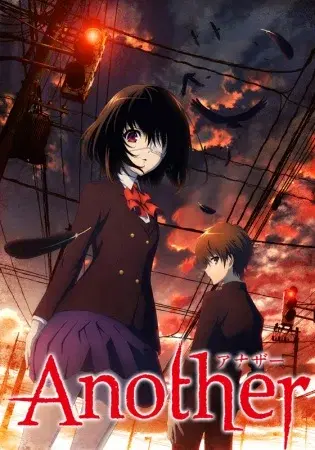
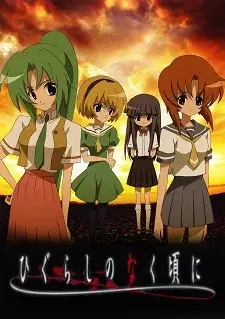
Watch The Lost Village if you want a mystery anime that behaves like a group-therapy disaster more than a clean whodunit. It scratches a bit of the same itch as Higurashi or Another in its isolated-rural paranoia, but it trades tidy horror escalation for abrasive ensemble friction, trauma symbolism, and intentionally bizarre comic beats. The appeal is not in polished scares; it is in watching a 12-episode pressure cooker where every character seems to have arrived from a different genre. Viewers who enjoy Mari Okada’s emotionally heightened writing, Tsutomu Mizushima’s taste for tonal whiplash, and anime that fans still argue about years later will get more from it than viewers looking for a conventional monster mystery or a ruthless survival thriller.
Key Characters
- HHayato(VA: Taku Yashiro)
Hayato stands out as the kind of protective friend whose intensity turns ordinary group tension into something more volatile.
- KKoharun(VA: Kaoru Sakura)
Koharun is the calm, information-driven presence whose composure makes her feel unusually central in a cast built around emotional overreaction.
- MMasaki(VA: Yuuka Aisaka)
Masaki became one of the show’s main discussion magnets because her quiet ambiguity keeps the ensemble’s trust issues from settling into a simple pattern.
- MMitsumune Sakai(VA: Koudai Sakai)
Mitsumune’s earnestness gives the series a vulnerable emotional anchor amid characters who often communicate through suspicion, performance, or panic.
What Makes It Stand Out
- 1
The production pairs director Tsutomu Mizushima with series composer Mari Okada, a combination that explains the show’s unusual mix of suspense mechanics, trauma drama, and deliberately awkward ensemble comedy.
- 2
Diomedéa’s 12-episode TV run aired from April 1 to June 17, 2016, giving the series a compact weekly cliffhanger structure rather than the slower sprawl common to larger cast mysteries.
- 3
AniList’s tag profile captures the show’s tonal split unusually well: Rural at 85%, Ensemble Cast at 80%, Youkai at 79%, Tragedy at 79%, and Parody at 63%, which mirrors why viewers often disagree on whether it should be judged as horror, satire, or psychological drama.
- 4
Naomi Ide handled character design and was also one of four chief animation directors, alongside Masakazu Ishikawa, Mayuko Matsumoto, and Yoshino Honda; despite that staffing depth, mediocre animation remained one of the common review complaints.
- 5
Masaru Yokoyama’s music is one of the show’s more stable craft elements, giving the suspense scenes a cleaner dramatic throughline than the intentionally chaotic character behavior around them.
Fun Facts & Trivia
- Fun fact 1
- The Lost Village holds a notably low audience standing for a widely sampled seasonal anime: 5.5/10 on MyAnimeList from 113,862 votes, with an AniList score of 50/100 and 260 AniList favourites.
- Fun fact 2
- Tsutomu Mizushima is credited as both director and sound director, meaning the show’s visual pacing and audio atmosphere were guided by the same key creative hand.
- Fun fact 3
- The series is officially tagged across Drama, Horror, Mystery, and Suspense, but AniList also marks Parody at 63%, helping explain why many horror-focused viewers reacted more negatively than viewers receptive to its weird comedy.
- Fun fact 4
- The web reception is split in a specific way: positive takes tend to praise the premise, twists, suspense buildup, character development, and comedy one-liners, while negative reactions focus on slow pacing, confusing turns, and characters making frustrating decisions.
- Fun fact 5
- Its MyAnimeList popularity rank of #1267 is far stronger than its score rank of #13369, making it one of those mid-2010s anime that stayed visible because of controversy and discussion rather than broad approval.
Studios
- Diomedéa