Kakushigoto
かくしごと
- Comedy
- Childcare
- Gag Humor
- Otaku Culture
- Episodes
- 12
- Duration
- 23 min per ep
- Aired
- Apr 2, 2020 to Jun 18, 2020
- Status
- Finished Airing
Synopsis
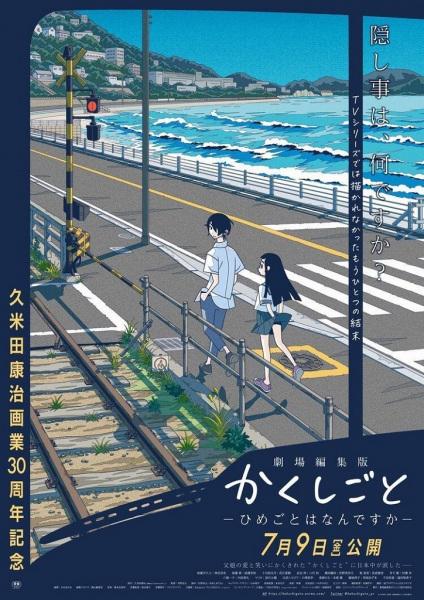
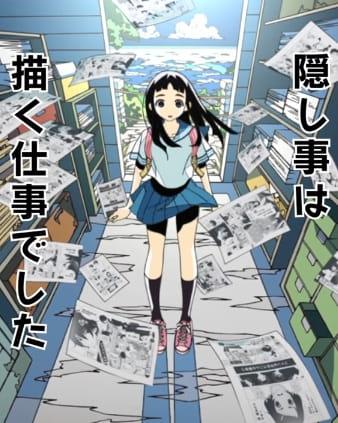
Kakushi Gotou is a moderately well-known manga creator whose work leans on content he considers unsuitable for a child. When his daughter, Hime, is born, he resolves to keep his job a secret, convinced she’d be disappointed if she ever learned what he does for a living.
That determination quickly turns everyday parenting into a string of frantic cover-ups. As a single father, Kakushi goes to absurd lengths to protect his double life—posing as an ordinary salaryman and even staging “emergency drills” in case Hime gets anywhere near his workplace. Through their quiet days together and his constant attempts to preserve normalcy, Kakushigoto follows a family built on affection and a secret that time may not let stay hidden forever.
Otaku Consensus
Kakushigoto earns its strong 7.96 MAL reputation by turning Kouji Kumeta’s manga-industry neuroses into a brisk, emotionally controlled TV comedy, with Yuuta Murano’s direction and Takashi Aoshima’s series composition keeping the gag rhythm sharp without losing the family-life throughline. Ajia-do’s adaptation works best when its clean visual restraint lets timing, deadpan panic, and workplace specificity carry the joke; the main criticism is that the achronological/time-skip material can make the drama feel more mechanically arranged than the effortless comedy around it.
Why You Should Watch
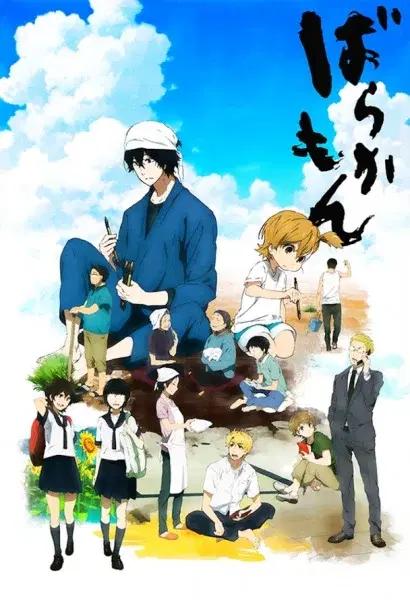
Watch Kakushigoto if you want a parent-child comedy that treats adult responsibility as the joke engine, not as background sentiment. It scratches the same itch as Barakamon’s warm adult-kid dynamic and Gekkan Shoujo Nozaki-kun’s manga-making absurdity, but with a sharper industry-insider edge: deadlines, assistants, editorial pressure, public image, and creator shame all become recurring comic machinery. The show is ideal for viewers who like gag humor without pure randomness, because the punchlines usually come from a consistent anxiety rather than sketch-show chaos. It is also a strong pick if you want something emotionally literate but not slow or indulgently tearjerking; its 12-episode run moves with sitcom efficiency while quietly building a more reflective structure through its time-skip framing.
Key Characters
- KKakushi Gotou
Kakushi is funny because his professional competence and parental panic are always colliding, making him both the straight man and the disaster at the center of the show’s manga-world satire.
- HHime
Hime gives the series its emotional calibration: her innocence is not just cute contrast, but the standard that makes every adult lie, overreaction, and workplace absurdity feel exposed.
What Makes It Stand Out
- 1
Ajia-do’s production favors clean character acting, bright domestic spaces, and readable comic staging over visual spectacle, which suits a series built on timing, embarrassment, and quick reversals.
- 2
The adaptation preserves Kouji Kumeta’s meta-comedy identity by making the manga profession itself the target: work routines, creator image, drawing culture, and otaku-adjacent anxieties are not decoration but the structure of many jokes.
- 3
Its achronological construction is a defining formal choice rather than a gimmick; the present-day gag sequences are periodically reframed by time-skip material, giving the comedy a bittersweet pressure most workplace sitcom anime avoid.
- 4
Takashi Aoshima’s series composition helps the show function as both short-form gag comedy and serialized family drama, keeping individual episodes punchy while allowing cumulative emotional consequences.
- 5
The anime’s highest AniList tag concentrations are Family Life at 97%, Work at 94%, and Drawing at 90%, an unusually precise profile that reflects how tightly its parenting, labor, and art-industry humor are fused.
Fun Facts & Trivia
- Fun fact 1
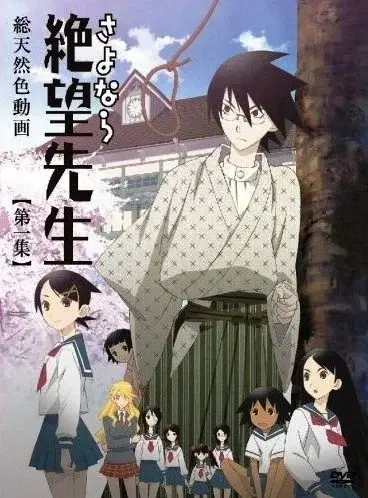
- Kakushigoto is based on work by Kouji Kumeta, the creator also widely associated with the satirical manga Sayonara, Zetsubou-Sensei, which explains the show’s comfort with meta jokes and creator-focused self-mockery.
- Fun fact 2
- The TV anime ran as a compact 12-episode Spring 2020 series, airing from April 2 to June 18, 2020, with Ajia-do handling animation production.
- Fun fact 3
- The staff list includes Ryou Hirata specifically on prop design, a credit that matters more than usual here because manuscripts, desks, drawing tools, and workplace objects are central to the show’s visual comedy.
- Fun fact 4
- Reception is notably consistent across major fan platforms: MAL lists it at 7.96 from 149,624 votes with rank #813, while AniList places it at 78/100 with 2,491 favourites.
- Fun fact 5
- AniList tags the series as Primarily Adult Cast at 65% despite its strong Childcare and Parenthood identity, reflecting how much of the comedy comes from grown-up professional systems rather than school-life formulas.
Studios
- Ajia-do