Rainbow
RAINBOW 二舎六房の七人 (Rainbow: Nisha Rokubou no Shichinin)
- Drama
- Suspense
- Delinquents
- Historical
- Episodes
- 26
- Duration
- 22 min per ep
- Aired
- Apr 7, 2010 to Sep 29, 2010
- Status
- Finished Airing
Synopsis
Japan, 1955: Mario Minakami is sent to Shounan Special Reform School, arriving alongside five other teenagers arrested for serious crimes. Placed together in a single cell, they cross paths with Rokurouta Sakuragi, an older inmate and former boxer. As the seven grow closer, Rokurouta becomes a steadying presence, urging them to endure their time inside and holding onto a shared promise to reunite once they’re free.
Their fragile hope is tested daily by the institution’s cruelty—especially from Ishihara, a vindictive guard with a personal grudge against Rokurouta, and the facility doctor, Gisuke Sasaki, who exploits his authority to abuse the boys. With humiliation and violence pressing in from all sides, the cellmates cling to one another to survive their sentences, all while wondering what kind of future could possibly await beyond the prison walls.
Otaku Consensus
Rainbow earns its high fan standing, with an 8.46 MAL score and 82/100 AniList score, by turning a 26-episode Madhouse production into a sustained pressure cooker of seinen coming-of-age drama rather than a conventional prison thriller. Hiroshi Koujina’s direction, Hideo Takayashiki’s series composition, and the ensemble focus are the strengths most clearly reflected in its reputation, especially the way the reform-school material builds loyalty, fear, and rage without rushing the cast’s emotional bonds. Its most persistent weakness is the bluntness of its cruelty: the villains and acts of abuse can feel so extreme that the drama occasionally pushes past realism into heavy-handed misery.
Why You Should Watch
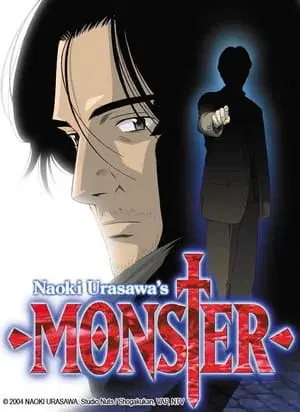
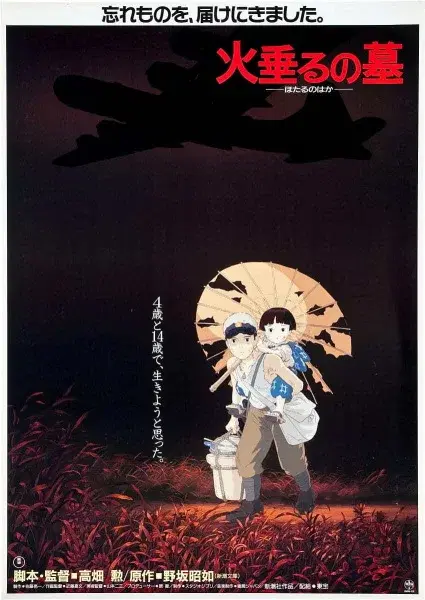
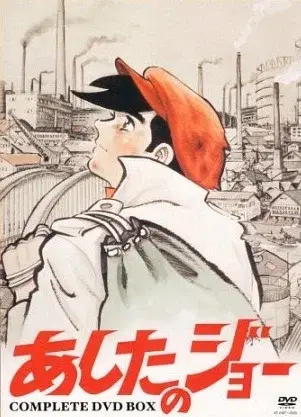
Watch Rainbow if you want historical anime that treats delinquency, punishment, and masculinity as scars rather than style. It scratches the same serious seinen itch as Monster’s psychological oppression and Ashita no Joe’s postwar grit, but with a found-family ensemble at the center instead of a lone prodigy or detective. The appeal is in Madhouse’s refusal to make rehabilitation clean: violence has consequences, loyalty is tested under systems designed to break people, and the 1955 setting gives every personal struggle a wider social weight. If you want crime drama without glamorized gang theatrics, and you can handle gore, torture, and institutional abuse, Rainbow is one of anime’s most concentrated male-bonding survival stories.
Key Characters
- MMario Minakami
Mario functions as the viewer’s emotional entry point into the group, memorable because his toughness is framed less as swagger than as a defense mechanism under pressure.
- RRokurouta Sakuragi
Rokurouta is the series’ moral center, the kind of older-brother figure fans remember for combining physical intimidation with unusually steady compassion.
- IIshihara
Ishihara stands out as a portrait of petty authority turned sadistic, making him one of the show’s most viscerally hated figures.
- GGisuke Sasaki
Gisuke Sasaki is disturbing because his menace comes from professional legitimacy, turning medical authority into one of the anime’s sharpest sources of dread.
What Makes It Stand Out
- 1
Madhouse produced Rainbow as a complete 26-episode TV run airing from April 7 to September 29, 2010, giving the story room for a full two-cour emotional arc rather than compressing its ensemble into a short seasonal sprint.
- 2
The series is structurally built around group identity: AniList’s Ensemble Cast tag sits at 99%, with Primarily Male Cast at 87% and Found Family at 55%, reflecting how the drama depends on shared endurance rather than a single-protagonist power climb.
- 3
Its genre mix is unusually severe for a mainstream TV anime: Drama and Suspense are paired with Historical and Delinquents themes, while the tag profile also includes Prison, Rehabilitation, Crime, Survival, Gore, Revenge, and Torture.
- 4
The production team includes Hiroshi Koujina as director, Pyeon-Gang Ho as assistant director, and Hideo Takayashiki on series composition, a staff layout that points to a tightly supervised adaptation rather than a loose anthology of prison incidents.
- 5
The visual pipeline credited Tomoyuki Shimizu for art direction, Yoshinori Horikawa for color design, Yukihiro Masumoto for photography, and Kumiko Taniguchi for special effects, showing how much of the show’s impact depends on controlled atmosphere as much as character acting.
Fun Facts & Trivia
- Fun fact 1
- Rainbow is based on material credited to George Abe for the original story and Masasumi Kakizaki for the original character designs, with the anime preserving the manga’s seinen identity rather than softening it into a standard youth-drama format.
- Fun fact 2
- Despite its harsh subject matter, the series has maintained strong database performance: it holds a MAL score of 8.46 from 167,743 votes, a MAL rank of #188, and an AniList score of 82/100.
- Fun fact 3
- Its popularity profile is unusual for something this bleak: MAL lists it at #636 in popularity, while AniList records 2,846 favourites, suggesting a smaller but unusually committed audience compared with broader shounen hits.
- Fun fact 4
- The AniList tag distribution is exceptionally high for tone and structure, with Seinen at 98%, Coming of Age at 92%, Delinquents at 90%, Survival at 88%, and Rehabilitation at 84%, making its database fingerprint far more specific than a generic prison drama.
Studios
- Madhouse