The Irregular at Magic High School
魔法科高校の劣等生 (Mahouka Koukou no Rettousei)
- Action
- Fantasy
- Romance
- Sci-Fi
- School
- Urban Fantasy
- Episodes
- 26
- Duration
- 23 min per ep
- Aired
- Apr 6, 2014 to Sep 28, 2014
- Status
- Finished Airing
Synopsis
In the early 21st century, magic has shifted from legend to engineered reality—an established technology taught like any other technical discipline. At First High School, a prestigious academy for magicians, students are ranked by entrance exam results and split into two tracks: the elite First Course “Blooms,” and the Second Course “Weeds,” who are treated as reserves.
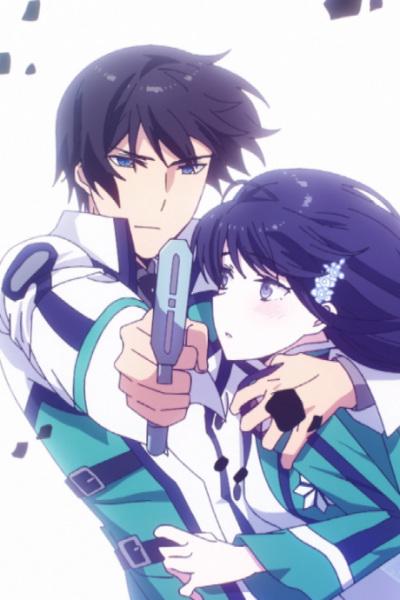
Tatsuya and Miyuki Shiba enter the school together, but their placements immediately set them apart. Miyuki’s exceptional performance earns her a spot among the Blooms, while Tatsuya is assigned to the Weeds due to low practical scores. Yet behind that label, he hides remarkable technical expertise, formidable close-quarters combat skill, and unconventional magical abilities—qualities that make him anything but ordinary within the school’s rigid system.
Otaku Consensus
Madhouse's adaptation works best when Manabu Ono's clean direction turns dense magic-engineering exposition into tactical spectacle, with the Nine Schools Competition arc giving the season its sharpest tournament-style momentum. The verdict is split but durable: fans reward the CAD systems, military edge, and god-mode protagonist, while critics keep returning to thin emotional development, Tatsuya's near-invulnerability, and the heavily signposted sibling-romance dynamic.
Why You Should Watch
Watch The Irregular at Magic High School if you want a power-fantasy built like a technical manual: magic has hardware, rankings have institutional consequences, and combat is often about preparation before spectacle. It scratches the same itch as A Certain Magical Index for science-fantasy world rules, but with a colder, more military-minded lead and less chaotic ensemble sprawl. Viewers who enjoy an overpowered protagonist without a long underdog training curve will get the most out of it, especially during the competition and escalation arcs. Viewers who need messy character vulnerability, romantic subtlety, or balanced fights should know exactly why this series remains divisive.
Key Characters
- TTatsuya Shiba(VA: Yuuichi Nakamura)
Tatsuya is the franchise's ultimate polarizing power-fantasy lead: admired for surgical competence and tactical calm, criticized for making many conflicts feel solved before they begin.
- MMiyuki Shiba(VA: Saori Hayami)
Miyuki anchors the show's emotional temperature through elegance, extreme magical talent, and an intense devotion to Tatsuya that became one of the series' most discussed traits.
What Makes It Stand Out
- 1
The first season is structured as three major arcs rather than a single continuous school year drama, moving from enrollment politics to a multi-school magic competition and then into a more militarized conflict. That structure is a major reason reviews describe the pacing as event-driven rather than character-driven.
- 2
Madhouse gives the magic system a deliberately technological surface: casting is tied to devices, interfaces, and mechanical design rather than mystical gestures alone. The credited mechanical designers, Jimmy Stone and Junji Okubo, reinforce why the show often feels closer to sci-fi action than traditional fantasy.
- 3
The Nine Schools Competition material is the season's most widely accessible showcase because it converts the series' dense terminology into measurable contests, matchups, and tactical demonstrations. It is also where the show's appeal to tournament-arc fans becomes clearest.
- 4
Tatsuya is written less as a developing fighter and more as a hidden-system breaker, which is the core of both the show's fan appeal and its harshest criticism. If balanced struggle is your priority, his competence can feel like a dramatic shortcut; if you enjoy dominance fantasy, it is the main attraction.
- 5
The series leans into military and firearms elements more than many school-magic anime, matching its high AniList tag weight for Military and Guns. That combination gives its battles a procedural, mission-oriented flavor instead of a purely club-activity atmosphere.
Fun Facts & Trivia
- Fun fact 1
- Kana Ishida served as both the original illustrator and the anime's main character designer, giving the 2014 adaptation unusually direct visual continuity with the source material's established look.
- Fun fact 2
- The TV season ran for 26 episodes from April 6 to September 28, 2014, making it a two-cour Madhouse production rather than a short promotional adaptation.
- Fun fact 3
- Manabu Ono directed the series, with Yuuji Kumazawa credited as assistant director; the production also lists specialized design roles for sub characters, mechanical elements, and even the title logo.
- Fun fact 4
- Its audience profile is unusually large for such a divisive title: the season holds a 7.36/10 MAL score from over 627,000 votes and sits at MAL popularity rank #149, while AniList lists a 70/100 score and 5,827 favourites.
- Fun fact 5
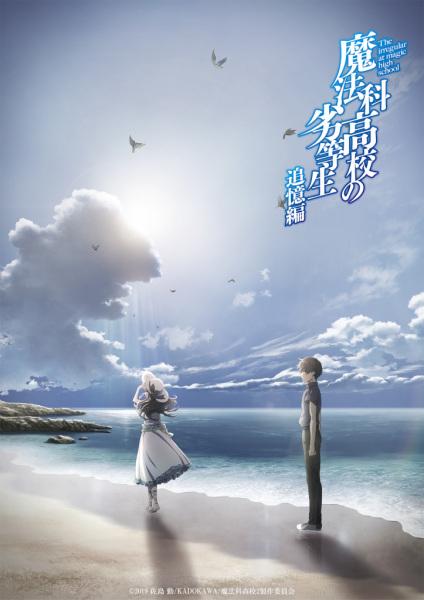
- The franchise expanded beyond the 2014 TV season with related screen entries such as The Girl Who Calls the Stars and the Reminiscence Arc, reflecting how the first season functioned as a launch point for continued adaptations.
Studios
- Madhouse