Tokyo Ghoul
東京喰種-トーキョーグール-
- Action
- Fantasy
- Horror
- Suspense
- Gore
- Psychological
- Urban Fantasy
- Episodes
- 12
- Duration
- 24 min per ep
- Aired
- Jul 4, 2014 to Sep 19, 2014
- Status
- Finished Airing
Synopsis
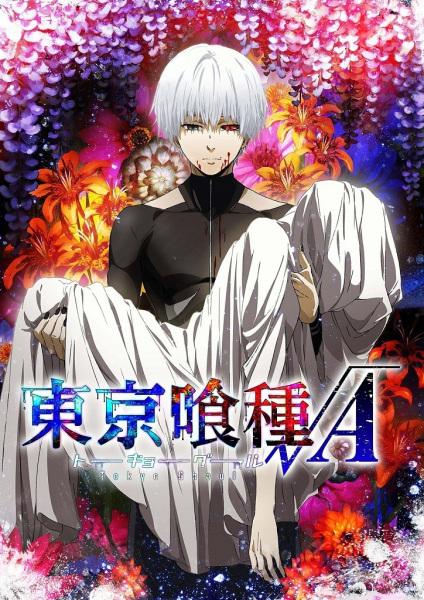
Tokyo is quietly being infiltrated by “ghouls,” man-eating predators who look no different from ordinary people and hide among the city’s crowds. Ken Kaneki, a shy college student more comfortable with books than headlines, tries to ignore the escalating danger—until he meets Rize Kamishiro, a striking young woman who boldly invites him out.
Their encounter turns terrifying when Kaneki realizes Rize’s true nature. After a brutal incident, he wakes in a hospital to learn he survived only because doctors transplanted organs from the now-deceased Rize into his body. The operation leaves him caught between two worlds, his body changing into something inhuman.
Now a half-ghoul, Kaneki struggles to hold on to his sense of self as violence spreads through the streets and the conflict intensifies between the creatures lurking in society and the agents dedicated to eradicating them.
Otaku Consensus
Tokyo Ghoul’s first season remains a high-impact gateway into modern dark fantasy: a slick Studio Pierrot production that pairs visceral body horror with a surprisingly introspective coming-of-age spiral. Fans consistently praise its oppressive urban mood, iconic presentation, and Kaneki’s psychological conflict, while detractors point to choppy pacing and underdeveloped supporting material that can make the story feel like a rushed adaptation. Even among mixed reviews, it’s widely treated as the franchise’s strongest stretch—especially compared with the more divisive later entries discussed in broader critical coverage.
Why You Should Watch
Watch Tokyo Ghoul if you want horror that isn’t just about jump scares—it’s about identity, appetite, and the terror of waking up as something you don’t recognize. The series thrives on urban paranoia: predators blend into crowds, morality blurs, and survival becomes a daily negotiation rather than a heroic pose. It’s also a strong pick for viewers who like psychological pressure-cooker protagonists; Kaneki’s transformation forces him to interrogate what “human” even means when your body and instincts rebel. Expect sharp bursts of action, unapologetic gore, and a tone that leans bleak and suspenseful. If you enjoy seinen-leaning urban fantasy with body horror and anti-hero tension, this is a defining 2014 watch.
Key Characters
- KKaneki, Ken(VA: Hanae, Natsuki)
A bookish college student thrust into a brutal double life, Kaneki is compelling for how his intelligence and empathy collide with a new, predatory reality.
- KKirishima, Touka(VA: Amamiya, Sora)
Touka is a sharp-edged survivor whose presence anchors the series’ street-level tension, challenging easy notions of who deserves sympathy in a city at war with itself.
What Makes It Stand Out
- 1
A grimy, lived-in urban fantasy atmosphere where the horror comes from proximity—monsters aren’t in distant castles, they’re in the crowd next to you.
- 2
Psychological focus that treats transformation as trauma: the series leans into identity crisis, survival logic, and the uneasy pull between conscience and instinct.
- 3
Unflinching gore and body-horror imagery (including cannibalism themes) used as mood and metaphor, not just spectacle—though it can be intense for sensitive viewers.
- 4
Studio Pierrot’s punchy action staging and stylized violence give the season a high-contrast, thriller-like momentum even when the narrative compresses material.
- 5
A reception-defining first season: widely regarded as the franchise’s strongest entry, with later-season discourse often framed around how this initial run set expectations.
Fun Facts & Trivia
- Fun fact 1
- Tokyo Ghoul is adapted from the manga by original creator Sui Ishida, with the anime’s first season airing from July 4, 2014 to September 19, 2014 for a 12-episode run.
- Fun fact 2
- It’s one of the most broadly watched TV anime on MyAnimeList, ranking #10 in popularity with nearly 2 million user votes contributing to its 7.79/10 score.
- Fun fact 3
- The series’ content profile is unusually concentrated toward darker tags—highly associated with Gore and Urban Fantasy, alongside Survival and Body Horror—reflecting how strongly its identity is tied to visceral psychological horror.
- Fun fact 4
- Key production leads include director Shuuhei Morita and series composition by Chuuji Mikasano, with Kazuhiro Miwa handling character design under Studio Pierrot.
Studios
- Studio Pierrot