Ghost in the Shell: Stand Alone Complex
攻殻機動隊 STAND ALONE COMPLEX (Koukaku Kidoutai: Stand Alone Complex)
- Award Winning
- Mystery
- Sci-Fi
- Adult Cast
- Detective
- Mecha
- Military
- Episodes
- 26
- Duration
- 24 min per ep
- Aired
- Oct 1, 2002 to Oct 1, 2003
- Status
- Finished Airing
Synopsis
In the near future, breakthroughs in cybernetics have made it possible to replace the human body with a fully mechanical one, dramatically expanding physical ability and networked potential while eroding the boundary between flesh and machine. The same technology also empowers criminals, giving rise to sophisticated new forms of wrongdoing that conventional policing can’t easily contain.
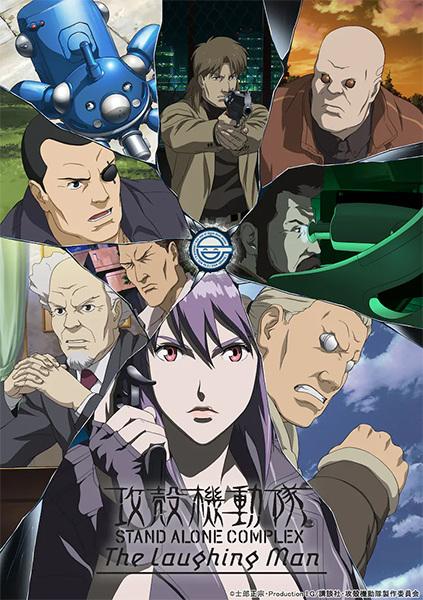
To confront these high-risk incidents, the Japanese government relies on Public Security Section 9, an autonomous unit specializing in sensitive cybercrime and security threats. Under the leadership of Daisuke Aramaki and Major Motoko Kusanagi, the team tackles cases across every layer of society—until a top-tier hacker known as “The Laughing Man” draws them into a tense pursuit that leaves a distinctive trail across Japan.
Otaku Consensus
Kenji Kamiyama’s direction and series composition turn Masamune Shirow’s material into one of anime’s strongest adult techno-thrillers, with Production I.G’s disciplined visual design and the Laughing Man arc giving the season a reputation beyond ordinary cyberpunk fandom. Critics and longtime viewers consistently praise the balance between self-contained investigations and serialized political mystery, while the recurring complaint is equally consistent: its density, jargon, and attention-demanding pacing make it difficult to binge casually.
Why You Should Watch
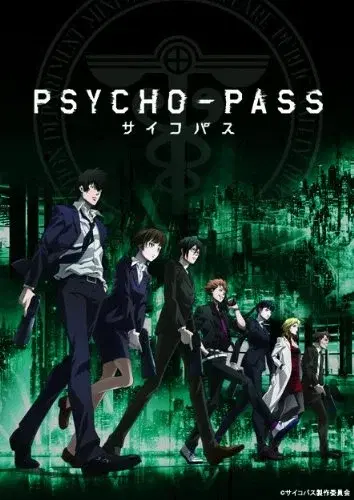
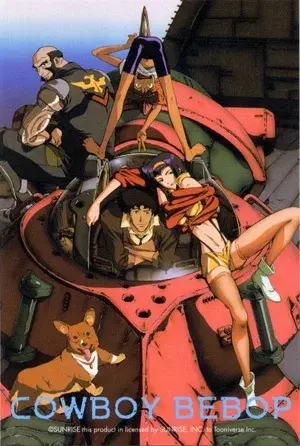
Watch Stand Alone Complex if you want a cyberpunk police procedural that treats technology, labor, bureaucracy, and ideology as part of the same crime scene. It scratches the same cerebral itch as Psycho-Pass, but with a colder adult-cast workplace rhythm, and it shares Cowboy Bebop’s confidence in episodic storytelling without leaning on cool-for-cool’s-sake detours. The appeal is not just “philosophy”; it is how often the series makes a case file feel like a systems failure, where chain of command, media spectacle, and hardware design all matter. If you want military-grade sci-fi without teenage destiny, and detective fiction where the questions outlast the arrest, this is the franchise’s best long-form entry point.
Key Characters
- MMotoko Kusanagi
Motoko remains one of anime’s defining adult female leads because her authority comes through tactical judgment, command presence, and a refusal to separate identity from professional function.
- DDaisuke Aramaki
Aramaki is compelling less as a field commander than as a bureaucratic tactician, the kind of leader who understands that paperwork, jurisdiction, and timing can be as decisive as weapons.
- TThe Laughing Man
The Laughing Man stands out as an antagonist concept because the series treats the figure as a symbol, a media phenomenon, and a hacker persona rather than a simple target to unmask.
What Makes It Stand Out
- 1
The season’s structure deliberately alternates between stand-alone case episodes and the longer Laughing Man investigation, giving supporting personnel and institutional politics room to matter before the central mystery tightens.
- 2
Production I.G’s 2002 digital-era finish gives the show a clean, procedural sharpness: hardware, vehicles, urban interiors, and command rooms are designed to feel operational rather than decorative.
- 3
Kenji Kamiyama served as both director and series composer, which helps explain the show’s unusually unified tone across episodic detective material, military briefings, and philosophical conversations.
- 4
The Laughing Man arc is the season’s critical centerpiece, frequently singled out by viewers as the point where the series’ cybercrime, media manipulation, and political conspiracy elements fuse into something larger than a villain hunt.
- 5
The AniList tag profile is unusually precise for its reputation: Cyberpunk at 96%, Police at 93%, Episodic at 91%, Politics at 90%, and Philosophy at 88%, matching the way fans actually discuss the series.
Fun Facts & Trivia
- Fun fact 1
- Stand Alone Complex aired across a full calendar year, from October 1, 2002 to October 1, 2003, rather than in a single modern seasonal cour.
- Fun fact 2
- Masamune Shirow is credited as the original creator, while Kenji Kamiyama handled both direction and series composition, making this TV version a strongly authored reinterpretation rather than a simple page-to-screen transfer.
- Fun fact 3
- The show’s mechanical identity was split between Kenji Teraoka and Shinobu Tsuneki, a detail that fits the series’ unusually careful attention to vehicles, robotic bodies, and security hardware.
- Fun fact 4
- Yuusuke Takeda served as art director with Kazuki Higashiji as assistant art director, helping define the series’ dense urban spaces and government facilities as lived-in systems rather than generic sci-fi backdrops.
- Fun fact 5
- The season’s reputation is reflected in both database performance and fan commitment: it holds an 8.42 MAL score from over 173,000 votes and has 2,728 AniList favourites.
Studios
- Production I.G
No community data yet. Be the first to add Ghost in the Shell: Stand Alone Complex to your list!