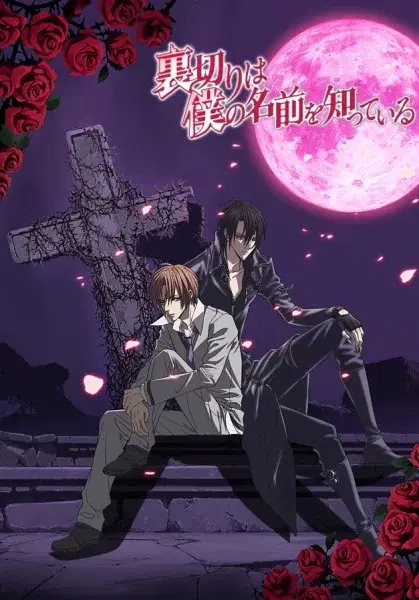
Loveless
LOVELESS
- Boys Love
- Drama
- Mystery
- Supernatural
- Psychological
- School
- Super Power
- Urban Fantasy
- Episodes
- 12
- Duration
- 24 min per ep
- Aired
- Apr 7, 2005 to Jun 30, 2005
- Status
- Finished Airing
Synopsis
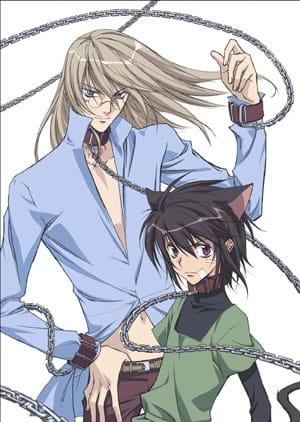
In *Loveless*, people are born with cat ears and a tail—marks that vanish only after sexual intercourse, turning them into symbols of innocence and experience. Conflict is waged through “fighting pairs,” bonded couples in which the Sacrifice endures the wounds while the Fighter delivers the attacks, binding intimacy and danger tightly together.
Twelve-year-old Ritsuka Aoyagi, struggling with unexplained amnesia and reeling from his brother’s recent death, transfers to a new school and is soon approached by the enigmatic Soubi Agatsuma. Soubi claims ties to Ritsuka’s late brother and reveals they once fought as a pair—until Soubi insists that bond has now passed to Ritsuka. As they search for answers about the death and the shadowy group known as the Seven Moons, their partnership deepens into something more complicated than either expected.
Otaku Consensus
Loveless remains a divisive 2005 J.C.Staff adaptation: its best defenders point to Yuu Kou’s moody direction, the intimate combat formalism, and Masafumi Mima’s sound work as giving the series a wounded, nocturnal identity that outlasts its modest animation. Its weakest point is not subtle: many modern viewers find the age-gap romance framing and coercive emotional dynamics difficult to accept, and the 12-episode run leaves enough mythology under-explained that the mystery can feel more withheld than developed.
Why You Should Watch
Watch Loveless if you want early-2000s BL-adjacent urban fantasy that treats intimacy like a curse, not a reward. It scratches a similar itch to the symbolic duels of Revolutionary Girl Utena or the emotional contract drama of X, but with a smaller, colder focus: language, ownership, names, and the way affection can become a weapon. The appeal is not clean romance or airtight worldbuilding; it is atmosphere, unease, and the tension between psychological damage and supernatural ritual. Viewers drawn to josei melodrama, kemonomimi iconography, and morally abrasive character dynamics will find more to chew on than the MAL score suggests. Viewers who need healthy relationship framing, clear exposition, or modern TV polish should approach it as a historical artifact of 2005 BL fandom rather than comfort viewing.
Key Characters
- SSoubi Agatsuma(VA: Katsuyuki Konishi)
Soubi is the character who defines the show’s controversy: magnetic, damaged, and performatively devoted in ways that fans read as either tragic devotion or predatory control.
- RRitsuka Aoyagi(VA: Junko Minagawa)
Ritsuka anchors the series through suspicion rather than innocence, making his fractured memory and guarded reactions more compelling than a standard vulnerable-protagonist role.
What Makes It Stand Out
- 1
J.C.Staff’s production leans into stillness, muted color, and close-up-heavy emotional staging rather than action spectacle, a choice that fits the series’ psychological mood but also makes the 2005 visuals feel visibly dated.
- 2
The Sacrifice and Fighter structure turns combat into a relationship test, making damage, command, and loyalty part of the same supernatural grammar rather than separating battle scenes from character drama.
- 3
The cat-ear and tail motif functions as social coding, not just decoration: the AniList tags heavily weight Kemonomimi at 84% and Nekomimi at 79%, reflecting how central that visual language is to the show’s identity.
- 4
The anime’s reputation is unusually split between nostalgia and discomfort; web commentary praises the emotional pull and memorable music, while multiple user reviews single out the adult-minor dynamic as the point where the series becomes hard to defend.
- 5
Its 12-episode structure emphasizes atmosphere and mystery over resolution, which helps preserve the source material’s enigmatic tone but fuels the recurring complaint that the plot withholds too many explanations.
Fun Facts & Trivia
- Fun fact 1
- Loveless aired from April 7 to June 30, 2005, placing it squarely in the era when late-night anime adaptations often functioned as mood pieces and manga gateways rather than complete narrative packages.
- Fun fact 2
- The anime is based on work by Yun Kouga, and fan commentary often distinguishes between the TV version’s unsettling impact and the longer manga experience, with some viewers seeking the source specifically because the anime leaves so much unresolved.
- Fun fact 3
- Its reception data shows a clear niche divide: MyAnimeList lists it at 6.7 from 72,686 votes, while AniList records a 58/100 score and 179 favourites, suggesting a title remembered more for cult attachment than broad approval.
- Fun fact 4
- The core production team included director Yuu Kou, series composer Yuuji Kawahara, character designer Kazunori Iwakura, art director Rie Oda, color designer Mayumi Tanahashi, and sound director Masafumi Mima.
- Fun fact 5
- AniList’s tag profile captures the show’s friction points with unusual precision: LGBTQ+ Themes at 79%, Boys’ Love at 78%, Josei at 73%, Age Gap at 72%, Magic at 70%, and Unrequited Love at 60%.
Studios
- J.C.Staff