Pokémon: Diamond and Pearl
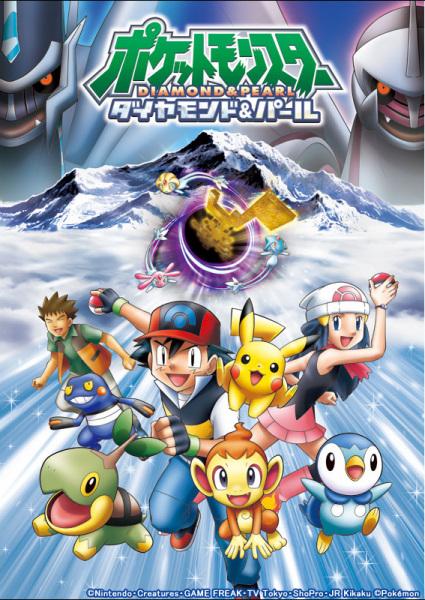
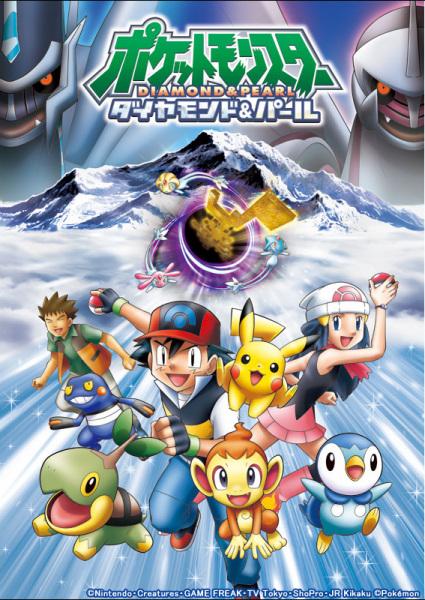
ポケットモンスター ダイヤモンド&パール (Pokemon Diamond & Pearl)
- Action
- Adventure
- Comedy
- Fantasy
- Gag Humor
- Organized Crime
- Pets
- Episodes
- 191
- Duration
- 23 min per ep
- Aired
- Sep 28, 2006 to Sep 9, 2010
- Status
- Finished Airing
Synopsis
After wrapping up his travels in Hoenn, Satoshi heads to the Sinnoh region to continue his quest to become a Pokémon Master. No sooner does he arrive than Team Rocket tries—yet again—to steal Pikachu, but the attempt backfires and Pikachu ends up separated from him in the forest. Determined to find his partner, Satoshi sets out and reunites with Takeshi, the aspiring Pokémon breeder who has journeyed with him across multiple regions, while also crossing paths with Shinji, a driven trainer whose pursuit of strength leaves little room for compassion toward his Pokémon.
Tracking a distant burst of electricity, Satoshi discovers Pikachu caught up with Team Rocket—and meets Hikari, a beginner trainer with ambitions of becoming a top Pokémon Coordinator. With Team Rocket thwarted and Pikachu safely back at his side, Satoshi continues onward through Sinnoh alongside Takeshi and Hikari, ready for a new round of battles, friendships, and discoveries.
Otaku Consensus
Pokémon: Diamond and Pearl earns its reputation as a high-water mark for the TV anime by tightening the franchise’s familiar travel-and-battle structure under Kunihiko Yuyama’s direction and Atsuhiro Tomioka’s series composition. Its strongest asset is the character writing around Satoshi, Hikari, and Shinji, especially the way the Shinji rivalry gives the Sinnoh journey a sharper competitive spine than many earlier seasons. The main criticism is equally consistent: at 191 episodes with a still-episodic road-show format, it can feel overextended or too close to Advanced Generation for viewers sensitive to Pokémon’s repetition.
Why You Should Watch
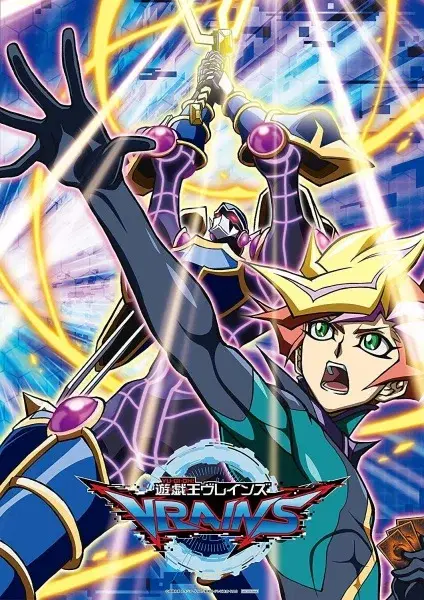
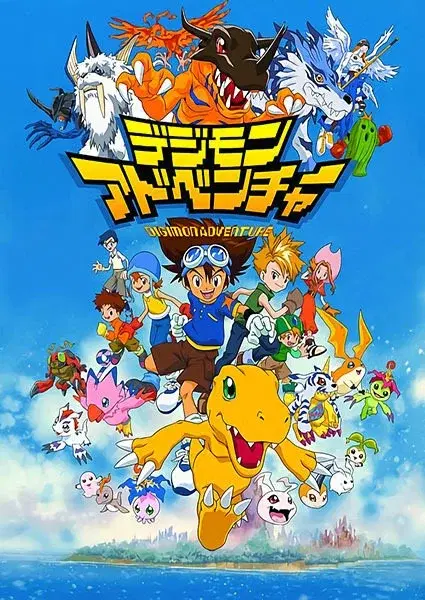
Watch Diamond and Pearl if you want Pokémon at its most disciplined: long-form creature battling, comedy, training setbacks, and rival philosophy without the tonal heaviness of darker shonen. It scratches the tournament-rivalry itch of Yu-Gi-Oh! while keeping the outdoor adventure comfort of classic Digimon, but its real hook is how much it commits to parallel goals: Satoshi’s battles, Hikari’s Coordinator path, Takeshi’s breeder perspective, and Shinji’s hardline approach to strength all pull the cast in different directions. Viewers who like proxy battles with clear tactics, recurring comic antagonists, and a child-cast adventure that actually lets its leads build reputations over time will get more from this than from a casual monster-of-the-week watch.
Key Characters
- SSatoshi(VA: Rica Matsumoto)
Satoshi is at his most battle-focused here, giving fans a version of the protagonist whose impulsive confidence is constantly tested against a rival who measures worth in harsher terms.
- HHikari
Hikari stands out because the series treats her Coordinator ambitions as a genuine co-lead track rather than a decorative side quest.
- TTakeshi
Takeshi gives the Sinnoh group continuity with earlier Pokémon eras while grounding the team through breeder-minded observations instead of pure battle logic.
- SShinji
Shinji is remembered as one of the anime’s defining rivals because his pursuit of strength directly challenges the franchise’s usual language of affection and partnership.
What Makes It Stand Out
- 1
The series runs 191 episodes, making it a major long-form installment rather than a compact game tie-in; that length lets rivalries, contests, and recurring comedy breathe across years of broadcast from 2006 to 2010.
- 2
OLM remains the animation studio, preserving the franchise’s television identity while leaning into the Sinnoh era’s mix of slapstick reactions, outdoor travel, and proxy battle staging.
- 3
Kunihiko Yuyama directs with Atsuhiro Tomioka handling series composition, a pairing that helps Diamond and Pearl feel more serialized than a purely episodic children’s adventure despite retaining the franchise’s road-trip format.
- 4
The Shinji material gives the season a clearer ideological conflict than many Pokémon arcs: it is not just about winning battles, but about what a trainer believes Pokémon are for.
- 5
Shinji Miyazaki’s music and Rica Matsumoto’s theme-song presence connect Diamond and Pearl to the broader anime’s sound identity, giving the Sinnoh era continuity with earlier Pokémon television while still marking it as its own generation.
Fun Facts & Trivia
- Fun fact 1
- Diamond and Pearl aired from September 28, 2006 to September 9, 2010, spanning almost four full years of weekly television.
- Fun fact 2
- Atsuhiro Tomioka is credited both for series composition and script work, which helps explain why fans often single out the cast writing and rivalry structure as unusually cohesive for the franchise.
- Fun fact 3
- The production retains major franchise pillars: Satoshi Tajiri as original creator, Ken Sugimori as original character designer, and Youichi Kotabe as animation supervisor.
- Fun fact 4
- Its database reception is steady rather than cult-only: MAL lists it at 7.34 from 99,497 votes, while AniList records a 71/100 score and 597 favourites.
- Fun fact 5
- Fan discussion commonly frames Diamond and Pearl as one of the best Pokémon anime series, but the recurring counterpoint is that it still follows the original series template closely enough for detractors to call it a refined repeat rather than a reinvention.
Studios
- OLM