Azumanga Daioh: The Animation
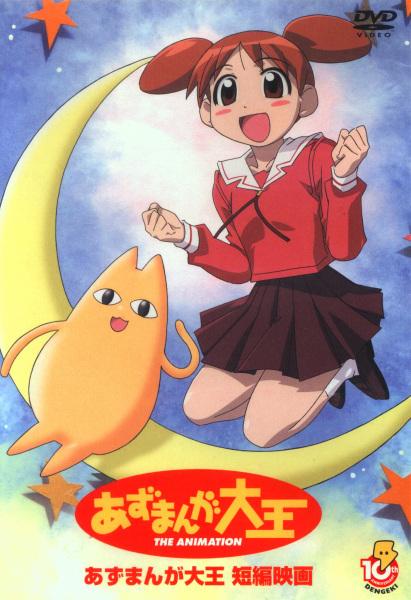
あずまんが大王 THE ANIMATION (Azumanga Daiou The Animation)
- Comedy
- CGDCT
- Gag Humor
- School
- Episodes
- 26
- Duration
- 24 min per ep
- Aired
- Apr 9, 2002 to Oct 1, 2002
- Status
- Finished Airing
Synopsis
Chiyo Mihama starts high school already standing out: she’s only 10 years old, a gifted student, and happiest with plush toys and home cooking. Her homeroom teacher, Yukari Tanizaki, is unpredictable enough that “normal” quickly becomes a flexible concept in their classroom.
Sharing Chiyo’s days are a lineup of memorable classmates—Tomo Takino, all energy and impulse; Koyomi Mizuhara, Tomo’s closest friend with a famously short fuse; and Sakaki, a tall, athletic girl whose intimidating presence hides a soft heart and an ongoing fixation on cats. Transfer student Ayumu Kasuga drifts through life at her own pace, bringing odd observations of her own, including some curious ideas about Chiyo’s pigtails. As the school years pass, their routines and misadventures capture the humor, absurdity, and fleeting warmth of everyday high school life.
Otaku Consensus
Azumanga Daioh: The Animation endures because Hiroshi Nishikiori and J.C.Staff preserve the snap of Kiyohiko Azuma’s four-panel gag rhythm while letting the ensemble breathe across a full 26-episode school-year progression. Critics and fans consistently single out its character comedy, surreal timing, and laid-back pacing as the template later shows refined; the recurring caveat is that the early-2000s art and animation can look rough, especially on rewatch.
Why You Should Watch
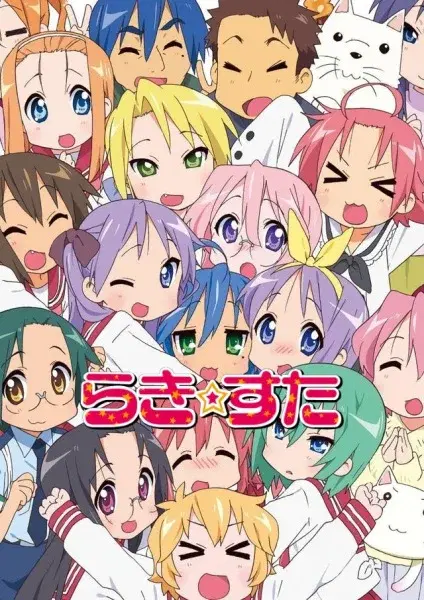
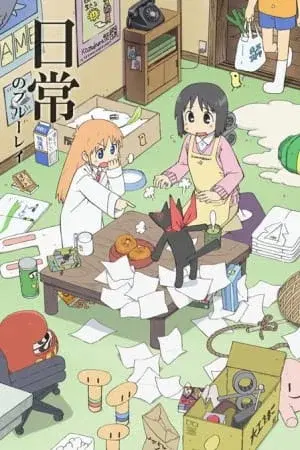
Watch Azumanga Daioh if you want slice-of-life comedy that lands without plot machinery, romance escalation, or manufactured drama. It scratches the same itch as Lucky Star’s conversational weirdness and K-On!’s school-life warmth, but with a more compact gag-comic pulse and stranger deadpan detours closer to the DNA that later feeds into Nichijou. The pleasure is in how quickly the show teaches you each character’s comic wavelength: Osaka’s sideways logic, Chiyo’s impossible precocity, Kagura’s competitive energy, and the teachers’ adult-grade irresponsibility. If modern CGDCT sometimes feels too polished or too engineered for comfort viewing, this 2002 series has a looser, pricklier charm: cute, yes, but also dry, abrupt, and occasionally bizarre.
Key Characters
- AAyumu Kasuga(VA: Yuki Matsuoka)
Better known to fans by her Osaka persona, Ayumu turns slow reactions and off-angle observations into some of the show’s most quoted surreal comedy.
- CChiyo Mihama(VA: Tomoko Kaneda)
Chiyo’s appeal is not just that she is young and brilliant, but that her earnestness becomes the straight-faced anchor for classmates and teachers who are far less composed.
- KKoyomi Mizuhara(VA: Rie Tanaka)
Koyomi functions as the ensemble’s pressure valve, with her short fuse giving the show a reliable counterweight to Tomo-style chaos.
- KKagura(VA: Houko Kuwashima)
Kagura brings a sporty, competitive charge to a cast built on mismatched rhythms, making her especially effective in group comedy rather than isolated gags.
What Makes It Stand Out
- 1
J.C.Staff’s adaptation keeps the source’s four-panel comic DNA visible: scenes often build from quick setups and punchlines rather than conventional episode-long plotting.
- 2
The 26-episode run uses an episodic structure while still giving viewers the feeling of a complete high-school progression, a balance later school comedies such as Lucky Star and K-On! would echo in different ways.
- 3
The comedy mix is unusually broad for an early-2000s school show, combining slapstick, deadpan exchanges, teacher chaos, and surreal non sequiturs instead of relying on one dominant gag mode.
- 4
Masaki Kurihara’s music and the OP/ED performances by Masumi Itou and Youko Ueno help give the series a playful identity distinct from the more polished moe soundtracks that became common later in the decade.
- 5
The most repeated technical criticism is also part of its historical texture: reviewers note that the early art and animation can be rough, especially compared with the cleaner visual language of later CGDCT anime.
Fun Facts & Trivia
- Fun fact 1
- The series is frequently described in retrospective criticism as a progenitor of the 2000s slice-of-life and moe boom, with later touchstones like Lucky Star, K-On!, and Nichijou often used to explain its legacy.
- Fun fact 2
- Kiyohiko Azuma is credited as the original creator, and the anime’s gag density reflects the four-panel pacing that reviewers specifically connect to the source material’s rhythm.
- Fun fact 3
- The broadcast ran from April 9, 2002 to October 1, 2002, placing it before the major mid-to-late-2000s wave of schoolgirl slice-of-life shows it is now compared against.
- Fun fact 4
- Youta Tsuruoka served as sound director, a particularly important role for a series whose humor depends heavily on pause length, abrupt reactions, and understated line delivery.
- Fun fact 5
- On AniList, the show holds a 79/100 score and 4,852 favourites, showing that its reputation extends beyond nostalgia-driven MyAnimeList rankings.
Studios
- J.C.Staff