Akira
AKIRA(アキラ)
- Action
- Horror
- Sci-Fi
- Gore
- Super Power
- Episodes
- 1
- Duration
- 2 hr 4 min
- Aired
- Jul 16, 1988
- Status
- Finished Airing
Synopsis
In 1988, a catastrophic blast levels Tokyo after a young boy with psychic powers loses control, setting in motion the events that lead to World War III. The child is swiftly taken into government custody and disappears from public view. Decades later, in 2019, the rebuilt Neo-Tokyo rises over the ruins—an uneasy metropolis plagued by gang warfare and growing unrest aimed at those in power.
At the center of the chaos is Shoutarou Kaneda, leader of the biker gang the Capsules, whose constant clashes with their rivals, the Clowns, keep the streets on edge. During one confrontation, Kaneda’s close friend Tetsuo Shima is injured in an incident involving an esper who has escaped from a government facility. The encounter awakens strange new powers within Tetsuo, drawing the attention of authorities determined to contain him before Neo-Tokyo is threatened by another psychic disaster.
Otaku Consensus
Akira’s reputation rests on Katsuhiro Ootomo’s muscular direction, Tokyo Movie Shinsha’s dense cel animation, and a feverish cyberpunk atmosphere that critics still compare to nuclear-age nightmares like Godzilla and the urban sprawl of Blade Runner. Its enduring fan metrics—8.16 on MAL from over 567,000 votes and 8,859 AniList favourites—match the critical line: the film is a landmark, but the most persistent complaint is that compressing Ootomo’s larger material into one feature makes some character turns and political threads feel rushed.
Why You Should Watch
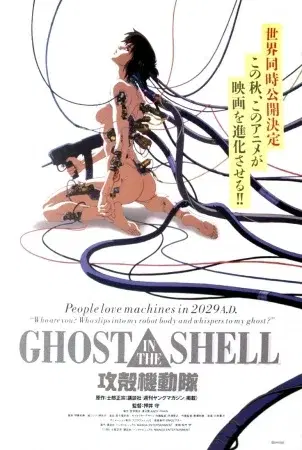
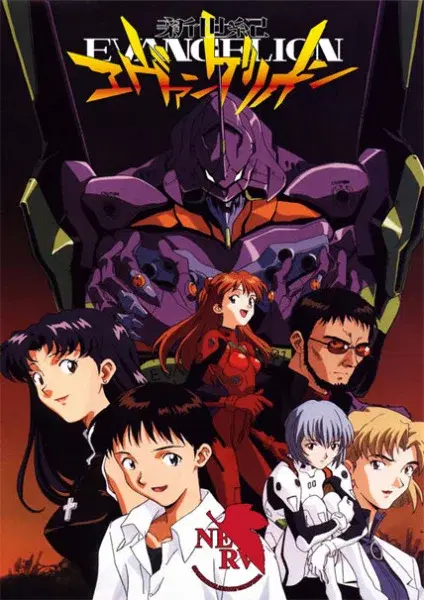
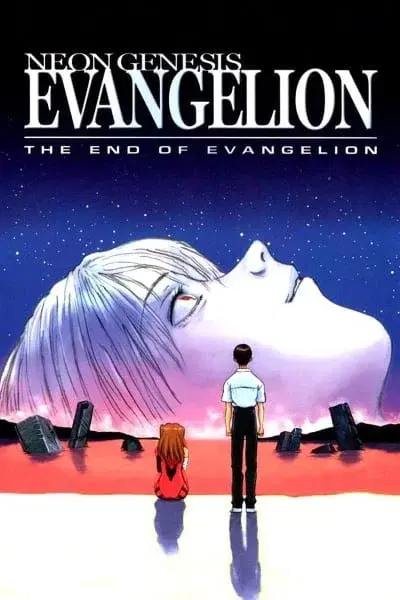
Watch Akira if you want cyberpunk that feels physically dangerous: streets packed with motorcycles, riot police, military hardware, psychic violence, and cityscapes that look engineered rather than merely designed. It scratches the same itch as Ghost in the Shell’s urban paranoia and Neon Genesis Evangelion’s apocalyptic dread, but without the TV-length decompression; this is a single, pressurized blast of sci-fi horror. Viewers who prize clean explanations over sensation may bounce off its elliptical structure, yet that opacity is part of the charge: Akira plays like a collapse in progress, where politics, youth alienation, state power, and body horror overload the frame. For animation fans, the real draw is seeing a 1988 film that still makes modern action staging look timid.
Key Characters
- SShoutarou Kaneda(VA: Mitsuo Iwata)
Kaneda is remembered less as a conventional hero than as pure adolescent momentum: cocky, stylish, impulsive, and inseparable from the film’s motorcycle iconography.
- TTetsuo Shima(VA: Nozomu Sasaki)
Tetsuo gives the film its most volatile emotional line, turning insecurity and resentment into one of anime’s defining super-power horror performances.
- KKei(VA: Mami Koyama)
Kei stands out because she brings ideological purpose into a film otherwise dominated by gangs, soldiers, and self-destructive male rivalry.
- SShikishima(VA: Tarou Ishida)
Shikishima is compelling as a military authority figure who reads less like a simple villain than a man trying to impose order on forces his institutions cannot understand.
What Makes It Stand Out
- 1
Katsuhiro Ootomo directed the film himself, giving the adaptation an unusually direct connection to its original creator rather than filtering the material through a separate studio interpretation.
- 2
Tokyo Movie Shinsha’s production emphasizes crowded urban motion: biker chases, military deployments, riots, and psychic destruction are staged with a density that made the film a gateway title for many Western viewers discovering anime as cinema rather than television animation.
- 3
The film’s structure is unusually compressed for an epic sci-fi property, which gives it relentless momentum but also fuels the common criticism that its conspiracy and character material can feel abrupt.
- 4
Its design staff was unusually specialized: Toshiharu Mizutani served as art director, while Hiroshi Oono, Kazuo Ebisawa, and Yuuji Ikehata are credited with art design, helping build Neo-Tokyo as a layered industrial space rather than a generic future city.
- 5
Critics continue to frame Akira as both post-apocalyptic and pre-apocalyptic, a rare tonal position that makes it feel like a warning signal from 1988 rather than a sealed-off period piece.
Fun Facts & Trivia
- Fun fact 1
- Akira premiered on July 16, 1988, the same year its opening catastrophe is dated, giving the film an unusually pointed relationship between release moment and fictional history.
- Fun fact 2
- Katsuhiro Ootomo holds two key credits on the film—Original Creator and Director—which is central to why the movie feels so visually and thematically unified despite its compressed runtime.
- Fun fact 3
- Takashi Nakamura is credited with character design, a crucial role in a film where Kaneda’s red biker look and Tetsuo’s physical deterioration became some of anime’s most reproduced images.
- Fun fact 4
- Katsuji Misawa served as Director of Photography, an important credit for a film whose night racing, neon-lit cityscapes, and large-scale destruction depend heavily on lighting, compositing, and camera simulation.
- Fun fact 5
- The film’s modern database footprint remains unusually strong for a one-episode 1988 movie: MAL lists it at 8.16 with over 567,000 votes, while AniList records an average score of 79/100.
Studios
- Tokyo Movie Shinsha