Gachiakuta
ガチアクタ
- Action
- Fantasy
- Super Power
- Survival
- Urban Fantasy
- Episodes
- 24
- Duration
- 23 min per ep
- Aired
- Jul 6, 2025 to Dec 21, 2025
- Status
- Finished Airing
Synopsis
In a prosperous town where the privileged discard belongings without a second thought, the castoffs become treasures for Rudo, a boy scraping by in the slums. Despite repeated warnings from his adoptive father, Regto, Rudo spends his days salvaging anything usable before it’s hauled off to the sprawling dump known as the Pit—a place so vast it also serves as a brutal sentence, since anyone thrown in is presumed gone for good.
After Regto is murdered, Rudo is framed and condemned to the Pit himself. He comes to in a wasteland of piled refuse, where toxic air and massive monsters born from junk threaten his life at every turn. Rescued by Enjin, a Cleaner who battles these creatures with weapon-like Vital Instruments, Rudo awakens a Vital Instrument of his own and joins the Cleaners, determined to survive, break free of the Pit, and take revenge for Regto’s death.
Otaku Consensus
Gachiakuta lands as a confident shounen adaptation: Bones Film, director Fumihiko Suganuma, and series composer Hiroshi Seko turn Kei Urana’s trash-punk manga into a 24-episode run praised for its Vital Instrument combat, hard-edged character design, and social-class symbolism. Fan reception was strong across platforms, with an 8.21 MAL score and 82/100 AniList score, and critics responded to how its gray world of refuse, graffiti, and monsters gives familiar shounen anger a harsher visual identity. The recurring reservation is that its revenge-coming-of-age framework remains archetypal, while the CGI-assisted creature/action material is less universally admired than the 2D design work.
Why You Should Watch
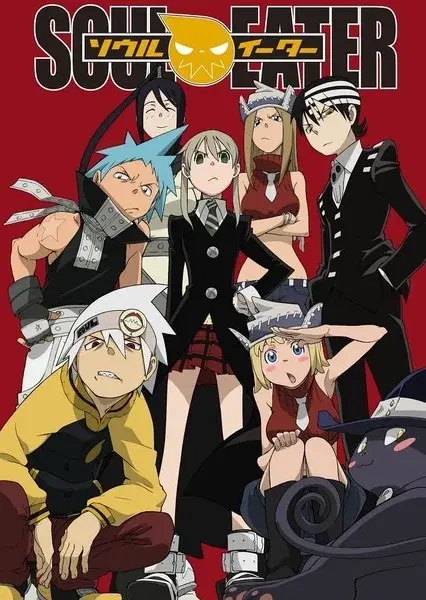
Watch Gachiakuta if you want battle shounen with grime under its fingernails: superpowers tied to tools, junk, and survival rather than clean tournament logic. It scratches the same itch as Soul Eater’s weapon eccentricity and Fire Force’s kinetic urban fantasy, but replaces polished hero institutions with class resentment, toxic landscapes, and a society literally built on disposal. The appeal is not just fights; it is the way Bones Film turns trash, graffiti, scavenged objects, and monster design into a coherent visual language. Viewers who like angry protagonists, found-family teams, and power systems with tactile rules will get the most out of it. Viewers tired of shounen that treat social inequality as background decoration should pay attention here.
Key Characters
- RRudo(VA: Aoi Ichikawa)
Rudo stands out as a shounen lead powered less by sunny determination than by class rage, survivor instincts, and an unusually personal relationship with discarded objects.
- EEnjin
Enjin functions as the Cleaner figure who makes the series’ power system click, giving the battles a craftsman-like identity instead of simple superhuman brawling.
- RRegto
Regto’s importance comes from how he grounds Rudo’s anger in a domestic, moral history, making the revenge engine feel personal rather than abstract.
What Makes It Stand Out
- 1
The Vital Instrument system gives combat a material hook: characters fight with weapon-like objects rather than generic energy blasts, which is why multiple reviews singled out the battle system as the adaptation’s defining attraction.
- 2
Bones Film’s production emphasizes a trash-punk visual identity built from gray wastelands, graffiti textures, grotesque junk-born monsters, and sharply styled character silhouettes instead of a clean fantasy aesthetic.
- 3
The anime ran for 24 episodes from July 6 to December 21, 2025, giving the adaptation enough room to establish its world, Cleaner ensemble, and survival-action rhythm without being compressed into a single-cour sampler.
- 4
Its genre mix is unusually dense for a shounen action series: AniList tags place Super Power, Urban Fantasy, Survival, Dystopian, Revenge, Post-Apocalyptic, Class Struggle, Found Family, Surreal Comedy, Kaiju, and CGI all as major viewer-facing identifiers.
- 5
The social symbolism is not incidental window dressing; critics specifically highlighted the divide between privileged consumers and discarded communities as one of the elements that makes the familiar angry-boy framework feel newly charged.
Fun Facts & Trivia
- Fun fact 1
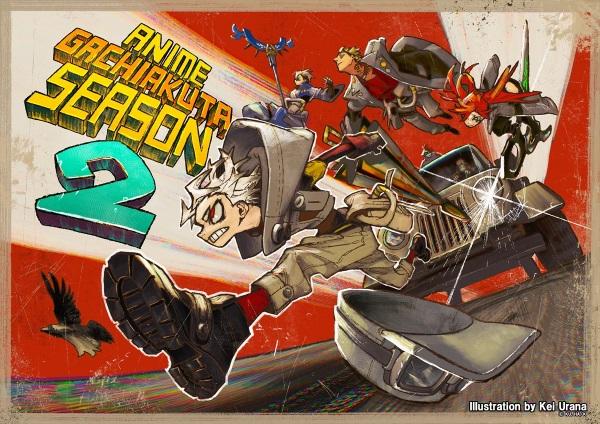
- Original creator Kei Urana previously worked as an assistant to Atsushi Ohkubo, the creator of Soul Eater, a connection that helps explain why many viewers immediately noticed the series’ punkish weapon culture and exaggerated design sense.
- Fun fact 2
- Hiroshi Seko handled series composition, bringing experience from high-profile action adaptations to a story that depends on balancing revenge momentum, ensemble introductions, and worldbuilding rules.
- Fun fact 3
- The anime is credited to Bones Film, with Fumihiko Suganuma directing, Satoshi Ishino designing the main characters, and Yoshino Matsumoto handling sub-character designs.
- Fun fact 4
- The look of the setting was shaped by a dedicated visual staff: Yusa Itou served as art director, Nariyuki Ogi handled art design, Naomi Nakano handled color design, and Masataka Ikegami served as director of photography.
- Fun fact 5
- By the end of its run, the series had strong cross-platform traction: MAL listed it at 8.21 from 234,974 votes, while AniList recorded an 82/100 score and 10,115 favourites.
Studios
- Bones Film