Introduction
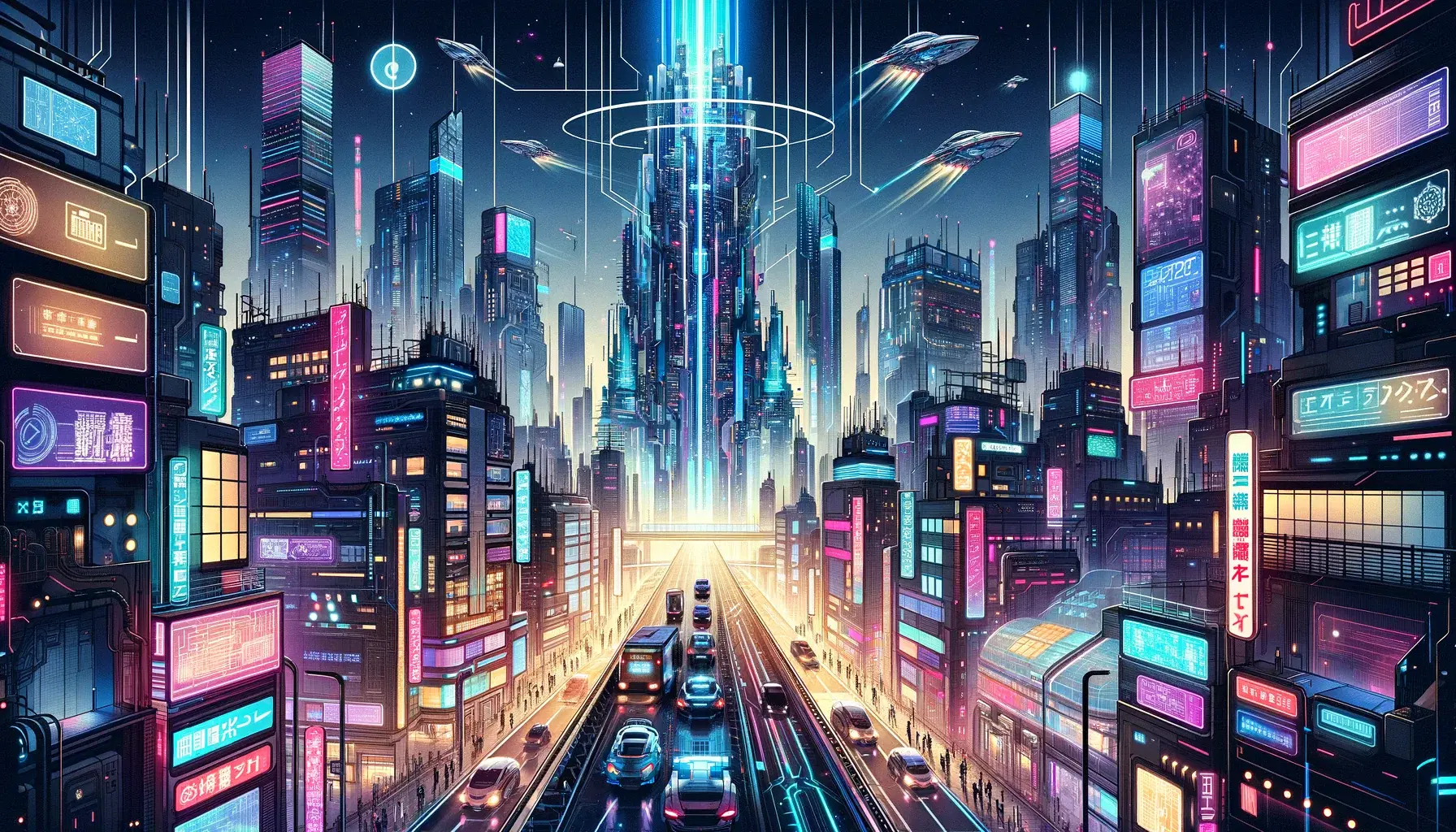
Sci‑fi anime is where the medium flexes its biggest muscles: ambitious worldbuilding, wild tech speculation, and stories that can pivot from intimate character drama to civilization‑scale stakes in a single episode. For this list, “sci‑fi” means the science and technology are foundational to the plot—not just window dressing. That includes space operas, cyberpunk, mecha with real thematic bite, time travel that actually thinks through consequences, and near‑future thrillers that feel uncomfortably plausible.
You’ll notice a mix of landmark classics and modern favorites. That’s intentional: the best sci‑fi anime isn’t confined to one era, and the genre’s conversations—about identity, surveillance, war, and what counts as “human”—only get richer when you watch across decades. Expect big names, but also a few picks that deserve to be in the same sentence as the giants.
The List
Time travel stories often collapse under their own cleverness. Steins;Gate doesn’t—it weaponizes cause and effect for pure emotional devastation. What starts as scrappy Akihabara tinkering becomes a tightly engineered thriller about timelines, responsibility, and the cost of “fixing” things. The pseudo‑science is presented with enough texture to feel grounded, and the character work is the real engine: every leap hits harder because you care. Why it’s here: it’s the gold standard for time‑bending sci‑fi that’s both brainy and heartfelt.
If you want cyberpunk that’s more than vibes, Stand Alone Complex is required viewing. It’s a police procedural set in a world of cyberbrains, networked consciousness, and weaponized information—years ahead of today’s algorithm anxiety. Major Kusanagi’s team tackles cases that spiral into questions about personhood, state power, and digital manipulation. Why it’s here: it’s the rare sci‑fi series that’s philosophically dense and consistently entertaining, with action that still looks sharp.
Psycho‑Pass takes the “benevolent surveillance state” premise and refuses to let you look away. In a society where a system quantifies criminal potential, justice becomes a UI—clean, efficient, terrifying. The show’s best arcs dig into what happens when people outsource morality to an algorithm, and whether “peace” is worth the loss of agency. Why it’s here: it’s modern sci‑fi noir with teeth, and it remains one of anime’s most accessible entries into dystopian storytelling.
Yes, it’s mecha—but it’s also apocalyptic sci‑fi about bioengineering, secret conspiracies, and the psychological toll of piloting humanity’s last defense. Evangelion uses its tech and lore as pressure chambers for its characters: every “upgrade” and every revelation makes the human cost clearer. It’s messy, iconic, and endlessly discussable. Why it’s here: it redefined what sci‑fi anime could be emotionally, and its influence is still everywhere—especially in character‑driven, end‑of‑the‑world narratives.
Cowboy Bebop is space western cool on the surface, but the sci‑fi worldbuilding is quietly brilliant: a lived‑in solar system shaped by disaster, economic inequality, and the lingering scars of conflict. Each episode tells a genre story—noir, horror, comedy—while building a melancholy portrait of people who can’t outrun their past. Why it’s here: it proves sci‑fi doesn’t need constant exposition; it can be atmosphere, rhythm, and character, with technology as the backdrop for heartbreak.
This is the space opera that doesn’t play small. Legend of the Galactic Heroes is political sci‑fi at its most expansive: democracy vs. authoritarianism, propaganda, military strategy, and the way institutions grind people into symbols. It’s dialogue‑heavy and demands attention, but the payoff is huge—few anime feel this historically “real” despite being set among the stars. Why it’s here: it’s the definitive grand‑scale sci‑fi epic, and it rewards anyone willing to sink into its galaxy.
Hard sci‑fi anime is rare; Planetes is rarer because it’s hard sci‑fi that’s also deeply humane. Set in a near future where space travel is routine, it follows debris collectors cleaning dangerous orbital junk. The science is thoughtful, the workplace drama is surprisingly gripping, and the show steadily expands from personal dreams to global politics. Why it’s here: it makes space feel like a job, a risk, and a frontier—without losing warmth or wonder.
The original Gundam is foundational sci‑fi: it dragged mecha out of superhero fantasy and into war drama, logistics, and political consequences. The tech—mobile suits, colonies, space warfare—matters because it changes how conflict is fought and who gets hurt. Amuro’s growth is messy and believable, and the story’s moral ambiguity helped define “real robot” storytelling. Why it’s here: it’s a genre cornerstone that still reads as sharp anti‑war sci‑fi.
A modern Gundam that’s both approachable and thematically loaded, The Witch from Mercury blends corporate sci‑fi, duels-as-systems, and questions about bodily autonomy and engineered life. It’s sleek, dramatic, and knows how to deliver cliffhangers, but the real hook is how it frames power: who owns technology, who profits, and who pays the price. Why it’s here: it’s contemporary sci‑fi with mainstream momentum—proof the franchise can still feel urgent.
Even in 2026, Akira looks and feels like a seismic event. Neo‑Tokyo’s cyberpunk decay, political unrest, and experimental science collide in a story about power that outgrows control. It’s a film where the animation is the worldbuilding—every frame sells the weight of machinery, crowds, and chaos. Why it’s here: it’s one of anime’s most influential sci‑fi works, and its themes—militarization, youth rebellion, institutional failure—never stopped being relevant.
Honorable Mentions
A top 10 can’t hold everything, and sci‑fi is especially brutal because the bench is stacked.
-
Serial Experiments Lain almost made the cut because it’s arguably the prophetic internet‑identity anime—fragmented, unsettling, and still ahead of the discourse on selfhood and networks. It’s also a tougher watch than most entries here, which is the only reason it lands as a mention.
-
Ergo Proxy is a moody, philosophical post‑apocalypse with androids, memory, and existential dread baked into every shadowy hallway. It’s not always “easy,” but it’s incredibly rewarding if you want sci‑fi that feels like a late‑night fever dream.
-
Space Battleship Yamato 2199 deserves love for delivering classic space opera heroism with modern pacing and production. It’s earnest, big‑hearted sci‑fi that remembers adventure is a legitimate genre pillar.
-
Vivy: Fluorite Eye’s Song is a sharp, emotionally driven AI story with time‑spanning missions and action set pieces that go way harder than they need to. It narrowly misses the top 10 mostly because the competition here is historically monstrous.
How We Chose These
We prioritized anime where science fiction is structurally essential: the core conflict, the character dilemmas, and the world’s rules all depend on technology, spacefaring, cybernetics, AI, or speculative science. We also balanced influence (titles that shaped the genre), craft (direction, writing, animation, and coherence), and watchability (how well the story holds up for newcomers today). Finally, we aimed for variety across sci‑fi subgenres—space opera, cyberpunk, hard sci‑fi, dystopia, and mecha—so this list works as both a starter kit and a deeper dive.
Written by Ranen with AI support — Ranen picks every story, shapes the angle, and reviews each article before it's published. Learn more in our editorial policy.