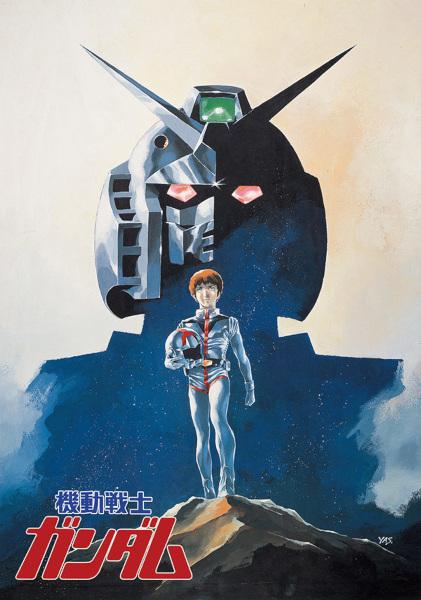
Mobile Suit Gundam
機動戦士ガンダム (Kidou Senshi Gundam)
- Drama
- Sci-Fi
- Mecha
- Military
- Space
- Episodes
- 43
- Duration
- 24 min per ep
- Aired
- Apr 7, 1979 to Jan 26, 1980
- Status
- Finished Airing
Synopsis
Universal Century 0079: humanity now lives among space colonies grouped into “Sides,” while Earth remains under the rule of the Earth Federation. When one Side breaks away as the Principality of Zeon and declares war, the balance of power shifts fast—Zeon’s mobile suits give it a decisive early advantage in the conflict.
Nine months later, the Federation’s answer arrives in the form of a new prototype mobile suit, the Gundam. A Zeon raid on the colony where it’s kept pulls 15-year-old civilian Amuro Ray into battle, setting him on a journey that spans both Earth and space and placing him on a collision course with Zeon’s famed ace, Char Aznable.
Otaku Consensus
Mobile Suit Gundam earns its landmark status through Yoshiyuki Tomino’s severe wartime direction, a military campaign structure that keeps changing fronts, and character writing that lets initially abrasive teenagers harden into recognizable soldiers rather than instant heroes. The recurring criticism is real: its 1979 television animation and early pacing are an acquired taste, and several characters need time before their growth pays off. Stick with it, and the show becomes less a museum piece than the blueprint for real-robot anime’s politics, logistics, rivalries, and anti-war bite.
Why You Should Watch
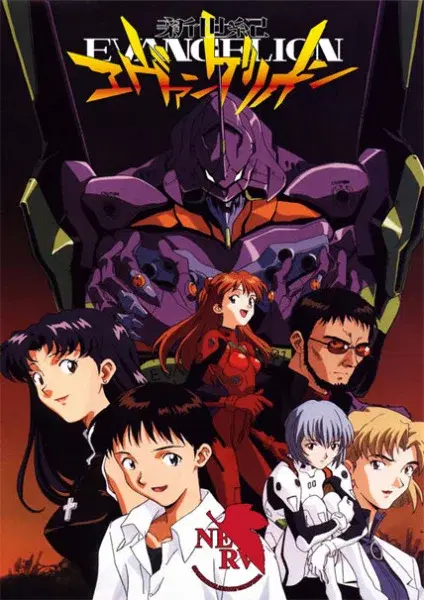
Watch Mobile Suit Gundam if you want mecha treated as military hardware instead of superhero armor: pilots panic, commanders make ugly calls, and machines matter because supply, training, and terrain matter. It scratches the same strategic itch as Legend of the Galactic Heroes on a more personal, frontline scale, while its teen-soldier anxiety helps explain later descendants like Neon Genesis Evangelion without sharing their surrealism. Viewers who like war stories with politics, travel, ensemble friction, and moral exhaustion will get more from it than viewers looking for glossy modern action. The reward is historical and dramatic: you can see Sunrise, Tomino, Yasuhiko, and Okawara codifying the “real robot” language that decades of anime would keep arguing with.
Key Characters
- AAmuro Ray
Fans remember Amuro less as an instant ace than as a frightened, defensive teenager whose competence grows alongside resentment, trauma, and a painful education in military adulthood.
- CChar Aznable
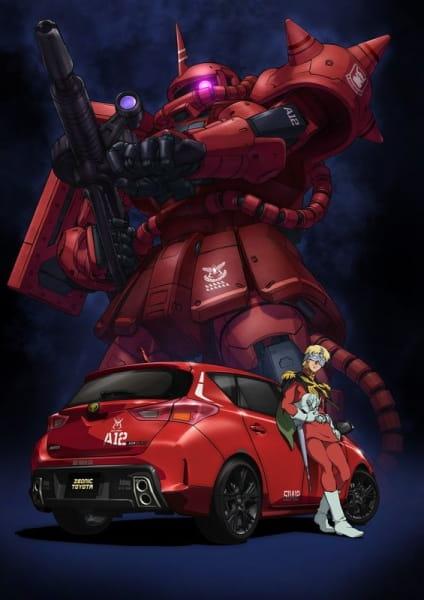
Char endures as Gundam’s defining rival figure: stylish, tactical, politically charged, and charismatic enough that his presence reshaped what anime audiences expected from an enemy ace.
What Makes It Stand Out
- 1
Sunrise’s 43-episode 1979–1980 TV run uses a campaign format rather than a single tournament or monster-of-the-week rhythm, repeatedly shifting between bases, fronts, and chains of command.
- 2
The series is one of the core texts of real-robot anime, with AniList tagging it 95% Real Robot and 97% Military; its machines are framed as weapons inside an army, not mythic saviors outside the system.
- 3
Yoshiyuki Tomino’s chief direction emphasizes war as social pressure: discipline, fear, propaganda, exhaustion, and civilian displacement matter as much as cockpit skill.
- 4
Kunio Okawara’s mechanical design helped establish the visual grammar of mobile suits as mass-producible military platforms, a decisive break from the super-robot tradition that dominated earlier mecha television.
- 5
Yoshikazu Yasuhiko’s character designs support an ensemble built on age, rank, and ideology rather than a single heroic archetype, which is why the cast’s early abrasiveness becomes part of the show’s long-term appeal.
Fun Facts & Trivia
- Fun fact 1
- Mobile Suit Gundam aired from April 7, 1979 to January 26, 1980, placing its original broadcast at the end of the 1970s rather than in the later boom years it helped create.
- Fun fact 2
- The original creator credit is shared by Yoshiyuki Tomino and Hajime Yatate, with Tomino also serving as chief director, tying the franchise’s authorship directly to its wartime tone.
- Fun fact 3
- The production separates its two most influential visual identities: Yoshikazu Yasuhiko handled character design, while Kunio Okawara handled mechanical design.
- Fun fact 4
- Its current database profile reflects cult durability more than simple mainstream saturation: a 7.78 MAL score from 68,954 votes, AniList 77/100, and 1,977 AniList favourites for a 1979 TV anime.
- Fun fact 5
- The web consensus around first-time viewing is unusually consistent: modern viewers are warned about the age of the animation, but reviewers repeatedly note that the series improves as its cast and war structure develop.
Studios
- Sunrise