Overview
If you are an anime fan wondering where to begin with manga, this guide is built for you. Manga is not just source material for hit anime; it is its own storytelling medium with its own pacing, formats, release culture, and reading habits. Understanding those basics will make you a better reader and, honestly, a better anime viewer too. The same source-to-screen pipeline that shaped One Piece, Naruto, Bleach, Demon Slayer: Kimetsu no Yaiba, Jujutsu Kaisen, Chainsaw Man, Spy x Family, and Attack on Titan is also the reason fans argue about canon, pacing, adaptation cuts, and filler.
This Beginner's Guide to Manga covers what manga is, how to read it, how release formats work, which legal platforms matter in 2026, how to choose your first series, and how manga connects to anime watch order conversations. If you came here searching for an Anime watch order, a filler guide, or simply how to watch an anime after reading the original manga, you are in the right place. The goal is not to drown you in terminology. It is to give you a decisive, practical roadmap so your first manga experience feels exciting instead of overwhelming.
Quick Reference
Manga means Japanese comics, usually read right-to-left in English editions that preserve the original page flow. Most series are serialized chapter by chapter before being collected into volumes. Start with one completed short series or one ongoing favorite tied to an anime you already like, then branch out by demographic, genre, author, and magazine. Use legal apps and publishers whenever possible: they support creators, offer official translations, and increasingly deliver same-day chapters. For anime fans, manga is the ultimate canon compass: it helps you understand adaptation pacing, skipped material, and what most filler guide debates are really about.
Complete Guide
1. What manga actually is
Manga is commonly described as Japanese comics, but that definition is only the entry point. For readers outside Japan, the word usually refers to comics created in Japan or strongly rooted in Japanese publishing traditions. Commercial manga is often black-and-white, arranged with cinematic panel flow, and read from right to left. That reading direction is not a gimmick; it preserves the composition chosen by the mangaka, the manga artist.
Manga also has a different rhythm than most Western collected comics. A major series often starts in a magazine or app, releases chapters weekly, biweekly, or monthly, and is later compiled into tankobon volumes. Those volumes are what most beginners buy physically or read digitally. This is why fans talk about chapters, volumes, arcs, magazine breaks, hiatuses, and final volumes separately.
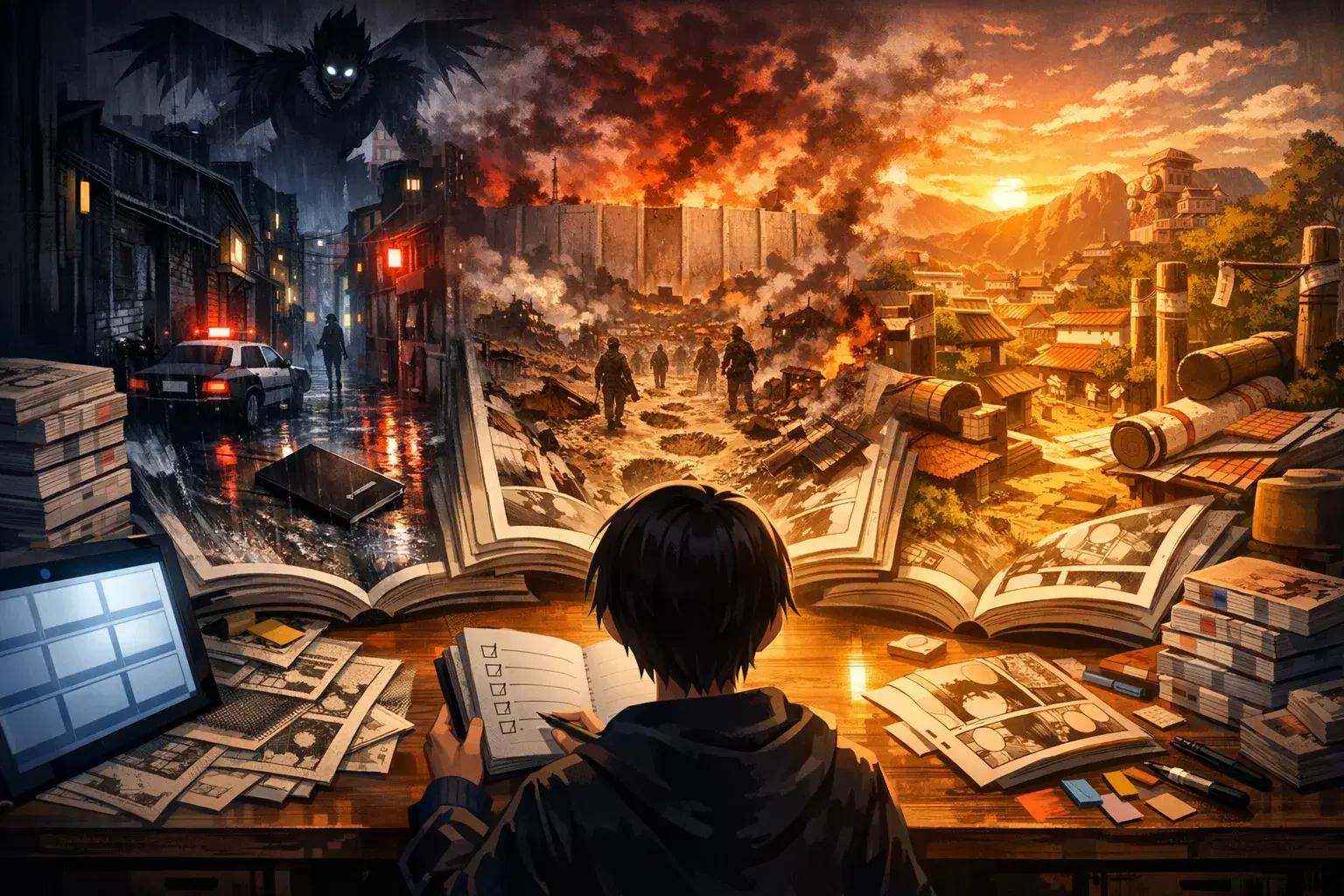
Otaku Insider's take: the most important beginner mindset is to stop treating manga as homework for anime. Yes, many anime adaptations come from manga, but manga is not a rough draft. In some cases, the manga is tighter, more visually distinctive, and more complete than the anime version. In other cases, the anime expands action, music, and atmosphere in ways the page cannot. The fun is in seeing what each medium does best.
2. Learn the reading direction once, then forget about it
Your first manga volume may feel strange because you begin at what looks like the back of the book. Panels, speech bubbles, and pages move right-to-left. Most official English volumes include a short note at the end if you accidentally start from the Western front cover. Do not overthink it. After 10 to 20 pages, your brain adjusts.
The bigger beginner mistake is rushing panels. Manga pages often use silent reaction shots, background details, speed lines, sound effects, and page turns to control timing. If you skim only dialogue, you will miss half the storytelling. This matters especially in action series tied to anime such as Demon Slayer: Kimetsu no Yaiba, Jujutsu Kaisen, and Chainsaw Man, where fight choreography and visual impact carry story information.
3. Understand demographics, but do not let them trap you
Manga labels such as shonen, shojo, seinen, josei, and kodomo are demographic categories, not strict genres. Shonen is generally aimed at boys and teen boys, but that does not mean only boys read it or that it only contains battles. Shojo is generally aimed at girls and teen girls, but it is not synonymous with simple romance. Seinen and josei target adult readerships and can include everything from grounded drama to comedy, fantasy, action, horror, and slice-of-life.
For anime fans, think of these labels as bookstore navigation, not personality tests. If you enjoy the team-building and competitive structure of Haikyu!!, you may also enjoy romantic comedy, historical drama, or psychological thrillers. If you like the political stakes of Attack on Titan: Final Season, you are not required to read only dark seinen works. The best manga readers follow creators, moods, and themes rather than demographic boxes.
4. Pick your first manga using the anime bridge method
The easiest way to start is with a story world you already care about. If you liked My Hero Academia, Dr. Stone, The Promised Neverland, Vinland Saga, or Horimiya, the manga can show you how the original pacing, paneling, and tone compare to the adaptation. This is especially helpful when an anime changes structure, condenses arcs, or stops before the story ends.
Here is the decisive recommendation: beginners should not start by trying to read every famous long-running manga at once. That is how you turn a hobby into a spreadsheet. Choose one of three paths:
- The favorite-anime path: read the manga for one anime you already love.
- The completed-series path: pick a finished story so you know there is an ending.
- The current-hype path: follow one ongoing series legally through simulpub chapters.
If you want a clean canon comparison, manga connected to Fullmetal Alchemist: Brotherhood is often a better beginner model than a massive franchise backlog. If you want to understand how long-running serialization affects pacing, then jumping from One Piece into its manga culture is rewarding, but it is a marathon. If you want a sharper, darker starter experience, the manga-to-anime contrast around Death Note or Tokyo Ghoul can be eye-opening.
5. Know the formats before you buy
Manga is sold and distributed in several formats:
- Individual volumes: the standard collected books, usually covering several chapters.
- Omnibus editions: larger books combining multiple volumes, often cheaper per chapter but heavier to read.
- Digital volumes: permanent purchases through official stores.
- Subscription libraries: monthly access to a catalog of chapters or volumes.
- Simulpub chapters: official chapters released near or at the same time as Japan.
- Special editions: volumes with extras, alternate covers, booklets, or merch.
Beginners should start digital if they are sampling widely and physical if they already know they want to collect. Digital is cheaper to test, easier to store, and increasingly central to the industry. Japan's manga market has been growing for years, and recent industry data shows digital comics now dominate the domestic market by a wide margin. That shift matters because global readers are no longer waiting years for everything to arrive in print. Apps and official platforms are becoming the front door.
6. Use legal platforms in 2026
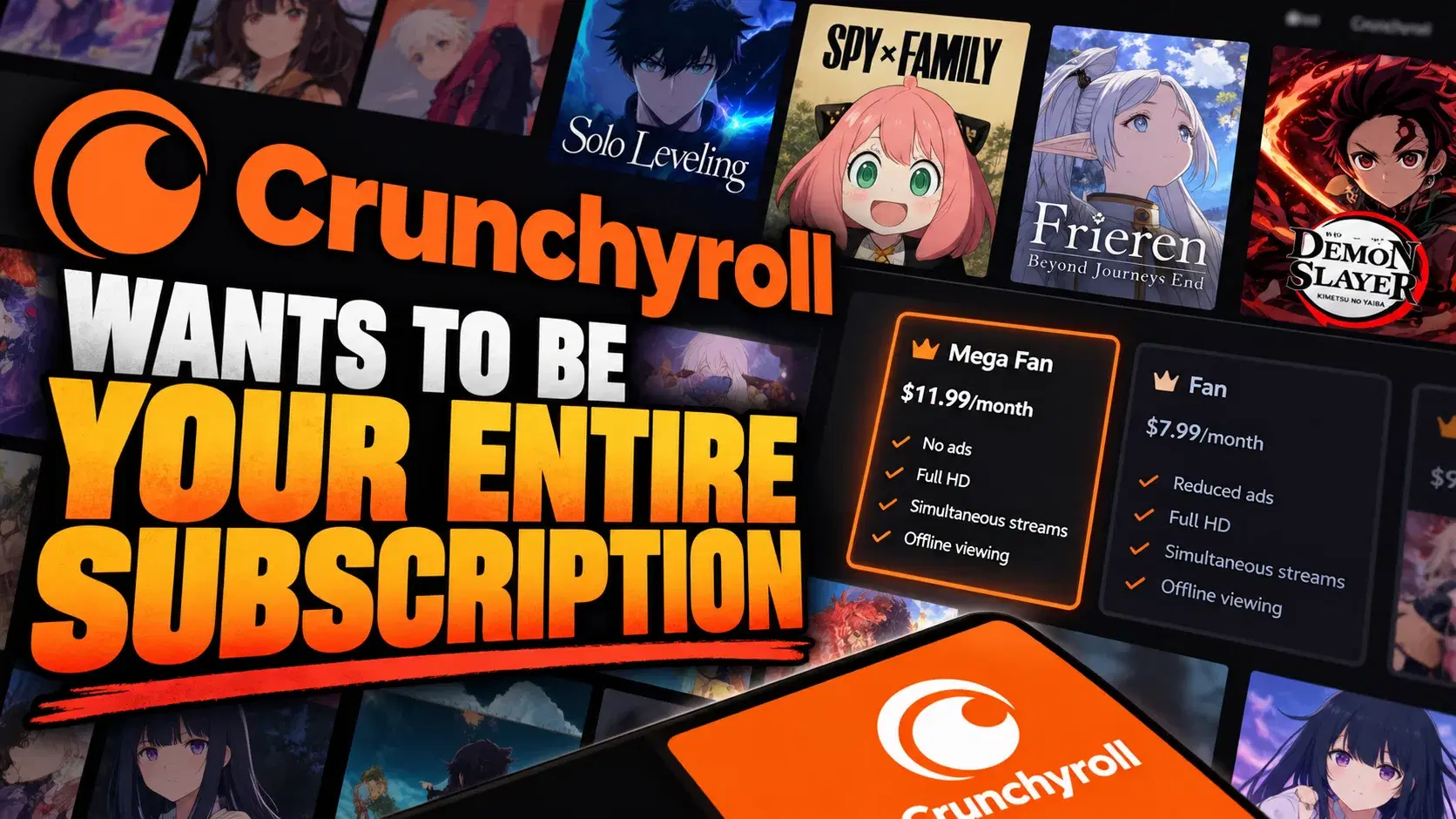
The legal manga ecosystem is much better than it was a decade ago. Shueisha's international digital strategy through MANGA Plus made simultaneous global access a normal expectation for many readers. VIZ offers large digital libraries for major catalogs in select regions. Kodansha's K MANGA launched in the U.S. with hundreds of titles and dozens of simulpubs. Crunchyroll announced a renewed manga app push for the U.S. and Canada in 2025, partnering with multiple publishers and technology providers.
Availability still varies by country, and that is the frustrating part. Some titles are split across apps. Some are free for recent chapters but paid for back catalog access. Some have physical releases but no convenient digital library. Still, the direction is clear: official digital manga is no longer a niche convenience. It is the main battlefield for global manga access.
Otaku Insider's take: piracy is not just a moral footnote anymore; it actively shapes licensing decisions, app design, translation speed, and publisher risk. If you want more same-day chapters, more niche licenses, more romance, more horror, more sports, more comedy, and more complete back catalogs, use official channels whenever they exist. The industry watches the numbers.
7. How manga helps with Anime watch order and filler guide searches
Manga is the backbone of many anime watch order debates. When fans ask whether an episode is canon, whether a movie matters, or whether an arc can be skipped, the answer often depends on whether the material came from the manga, expands the manga, or was produced separately for the anime.
This is why a good filler guide usually starts with the source. For example, long-running adaptations such as Naruto, Naruto Shippuden, Bleach, and One Piece have trained fans to ask what is manga canon and what was added to manage broadcast schedules. Modern seasonal anime usually has less old-school filler, but it may still rearrange chapters, compress scenes, or add anime-original connective tissue.
For beginners, here is the practical rule:
- If you want the author's core story, read the manga.
- If you want motion, music, voice acting, and spectacle, watch the anime.
- If you want the cleanest canon map, compare the anime arc list to the manga chapter list.
- If you want to avoid spoilers, do not browse later volume covers, wiki pages, or comment sections.
This also explains why anime fans who watch Attack on Titan, Attack on Titan Season 2, Attack on Titan Season 3, Attack on Titan Season 3 Part 2, and Attack on Titan: Final Season often become manga readers: once you care about adaptation structure, the source material becomes part of the experience.
8. Build a starter list, not a guilt pile
The worst beginner habit is collecting recommendations faster than you read. Manga culture moves quickly. A series ends, another gets an anime, a creator goes on hiatus, a new app license appears, and suddenly your list has 200 entries. Instead, build a starter list with four slots:
- One comfort read.
- One action or adventure series.
- One completed short series.
- One ongoing simulpub.
That mix teaches you different reading rhythms. A comfort read gives you momentum. An action series teaches panel flow. A completed series gives closure. A simulpub teaches the communal fun of waiting for the next chapter.
If your anime taste leans broad, you can map it like this: fans of Spy x Family may want comedy with family dynamics, fans of Kaguya-sama: Love is War may want sharper romantic mind games, fans of Mob Psycho 100 may want expressive art and character growth, and fans of KonoSuba: God's Blessing on This Wonderful World! may want comedy that plays with genre expectations. You do not have to stay in one lane.
9. Pay attention to creators, magazines, and publishers
Once you have read a few volumes, start noticing names. Who wrote it? Who drew it? Which magazine serialized it? Which publisher handled the English edition? This is how manga opens up. You begin to understand why one series has weekly cliffhangers, another has monthly polish, and another feels designed for volume reading.
The manga industry is huge, but it is not random. Major publishers cultivate editorial identities. Weekly magazines prioritize momentum and reader retention. Monthly magazines may allow denser art or slower pacing. Digital platforms can support different chapter lengths and niche audiences. That context helps explain why a battle series reads differently from a romance drama, and why some anime adaptations have plenty of material while others catch up quickly.
For a meta angle on creators and the industry, anime like The Comic Artist and His Assistants and Learning with Manga! Fate/Grand Order also show how manga culture itself becomes part of anime comedy and fandom language. They are not substitutes for reading manga, but they are reminders that the medium has its own ecosystem, jokes, labor issues, and traditions.
Pro Tips
Read the first full volume before judging a series, unless you actively dislike the premise or tone. Many manga need a few chapters to establish rhythm, supporting cast, and visual grammar. At the same time, do not force yourself through ten volumes because the internet says it gets good. Your time matters.
Avoid starting with only the most famous long runners. One Piece is monumental, but it is not the only valid doorway. A shorter completed series can teach you more about pacing and endings in less time. If you are reading alongside an anime, check whether the adaptation is faithful before assuming you can jump from the final episode to the next chapter without confusion.
Use bookmarks or tracking tools. Manga volume numbers, chapter numbers, special chapters, and spin-offs can blur together quickly. Also, beware of cover spoilers. Japanese volume covers and English solicitations sometimes reveal characters, costumes, alliances, or time skips before you reach them.
Most importantly, sample across demographics. If your first manga is action, make your second something quieter. If your first is romance, try a thriller next. The medium's range is the point.
Time Investment
Manga is usually faster than anime, but the time investment varies wildly. A standard volume may take 30 to 90 minutes depending on dialogue density, art detail, and how slowly you absorb panels. A 20-volume series can be a relaxed month of reading or a single intense weekend. A giant ongoing series can take months if you read casually.
With filler, in manga terms, usually means optional extras: side chapters, guidebooks, novels, spin-off comedy, art books, and anime-original material you choose to watch alongside the manga. Without filler, you can focus on main numbered chapters and volumes. For anime adaptations, skipping filler can dramatically reduce watch time in older long-running shows such as Naruto, Naruto Shippuden, and Bleach. For modern seasonal shows like Chainsaw Man or Spy x Family, the issue is less filler and more adaptation pace.
Where to Start If You're Short on Time
If you only have one weekend, do not begin with a massive backlog. Pick one short or medium-length manga connected to an anime you already like, read the first three volumes, and decide from there. If you are anime-first, start with a familiar tone: action fans can bridge from Jujutsu Kaisen, dark fantasy fans can bridge from Attack on Titan, comedy fans can bridge from Spy x Family, and romance fans can bridge from Horimiya.
If you are not ready to buy, use official free chapters or trial subscriptions. Read chapter one of five different series rather than forcing one random classic. Your goal is to find the page-turning feeling: the moment you stop thinking about format and just want to know what happens next.
A smart 48-hour beginner plan looks like this:
- Day 1: Learn right-to-left reading and sample three first chapters legally.
- Day 1 night: Choose one series and read volume one.
- Day 2: Read volumes two and three, then decide whether to continue, pause, or switch.
- Afterward: Add only two more series to your list.
That restraint is powerful. Manga fandom rewards curiosity, but the best readers build taste gradually.
Otaku Insider's Take
Manga in 2026 is more accessible than ever, but it is also more fragmented than beginners expect. The good news is that official digital access, simulpub culture, and global fandom have lowered the barrier to entry. The bad news is that app exclusives, regional availability, and endless recommendation lists can make starting feel harder than it should.
Our advice is simple: begin with one story, read legally when possible, and let your taste evolve. Do not worry about reading the correct classics in the correct order. Manga is not a test. It is a medium full of weekly cliffhangers, quiet character moments, experimental page layouts, absurd jokes, devastating endings, and communities waiting to argue lovingly about all of it.
And if manga changes how you watch anime, that is a feature, not a bug. Once you understand the source, you will see adaptations differently. You will notice what Fullmetal Alchemist: Brotherhood streamlines, why One-Punch Man depends so much on visual timing, how Demon Slayer: Kimetsu no Yaiba transforms panel impact into motion, and why fans compare every adaptation choice against the page. That is when you are no longer just watching anime or reading manga. You are seeing the conversation between them.
Sources
- [1] VIZ | FAQ (viz.com)
- [2] Manga: a brief history in 12 works | British Museum (britishmuseum.org)
- [3] Shueisha Inc. (shueisha.co.jp)
- [4] Manga Sales Grow for Seventh Consecutive Year in Japan | Nippon.com (nippon.com)
- [5] Statistical Handbook of Japan 2025 (Chapter 9 ~ Appendices) (stat.go.jp)
- [6] Source (adnavi.shueisha.co.jp)
- [7] MANGA Plus by SHUEISHA | Link-U Technologies (technologies.link-u.co.jp)
- [8] 400 Titles, Including 60 Simulpub Titles are Now Available! Kodansha's Manga App K MANGA Launches Today (prweb.com)
- [9] Crunchyroll Manga Sets October 9 Launch with One Piece, Jujutsu Kaisen & More - Crunchyroll News (crunchyroll.com)
- [10] Survey on Losses from Online Piracy of Japan-Origin Content in 2025 - Content Overseas Distribution Association(CODA) (coda-cj.jp)
- [11] Source (shueisha.co.jp)
- [12] ONE PIECE Surpasses 600 Million Copies Worldwide | Japan Anime News powered by ORICON NEWS (us.oricon-group.com)
- [13] ONE PIECE Claims Its 15th No.1 Spot in Japan’s Annual Book Sales Ranking as All Three 2025 Releases Enter the Top 10 | Japan Anime News powered by ORICON NEWS (us.oricon-group.com)
- [14] 「週刊ヤングジャンプ」45号(10月9日発売)以降、新連載作品すべてを英語に翻訳、「MANGA Plus by SHUEISHA」にて、全世界(日本・中国・韓国を除く)同時配信スタート! | 株式会社集英社のプレスリリース (prtimes.jp)
- [15] Receipt of Report from OpenAI Regarding the Termination of the “Sora2” Service - Content Overseas Distribution Association(CODA) (coda-cj.jp)
- [16] Magical Girl and Narco Wars Manga Ends on July 21 (ANN)
- [17] Nao Maita's Shining! Manga Ends in 2 Chapters (ANN)
- [18] Yuri and Yaoi Fans United at MangaPlaza's “Explore Your Passions” Panel and Booth at Anime Expo 2026 (ANN)
- [19] TOUGEN ANKI Manga Reaches 6 Million Copies in Circulation (CRUNCHYROLL)
- [20] Amekiri's 'Chotto Matō yo, Harutora-kun' BL Manga Gets Live-Action Series (ANN)
- [21] emaqi Adds Pierrot-Man, Barefaced, 2 More Manga (ANN)
- [22] Manga 'Munou na Nana' Concludes Ten-Year Serialization (MAL_RSS)
- [23] Manga 'Kizuguchi to Houtai' Gets TV Anime in Winter 2027 (MAL_RSS)
- [24] Code Geass, Gundam Wing Crossover Manga Launches (ANN)
- [25] Manga 'Ao no Hako' Concludes Serialization (MAL_RSS)
- [26] Blue Box Manga Ends After Five-Year Serialization in Weekly Shonen Jump (ANIME_CORNER)
- [27] Blue Box Manga Ends with Chapter 250 (CRUNCHYROLL)
- [28] Kōji Miura's Blue Box Manga Ends (ANN)
- [29] Umihoshi Nanai's Kizuguchi to Hōtai Manga Gets TV Anime in January 2027 (ANN)
- [30] Go! Go! Loser Ranger! Manga Goes on Hiatus Until August Due to Creator's Health (ANN)
Written by Ranen with AI support — Ranen picks every story, shapes the angle, and reviews each article before it's published. Learn more in our editorial policy.