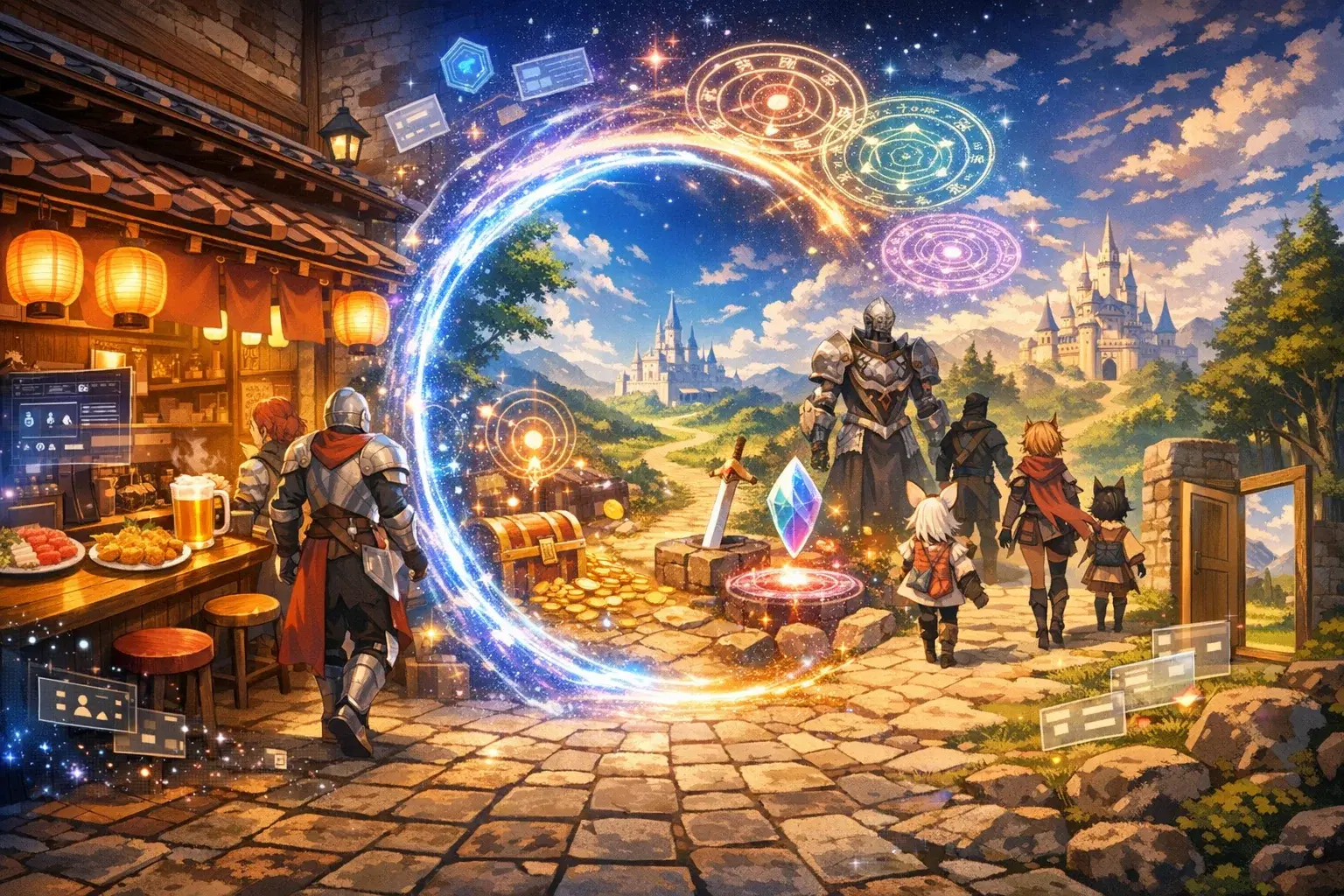
What is Isekai About?
Isekai explained in the simplest possible terms: it means a story where someone crosses into another world. The Japanese word isekai literally means different world, and the Oxford English Dictionary formally added it in 2024 as a genre term for stories involving transport or reincarnation into a strange or unfamiliar world. In anime, that can mean a shut-in wakes up as a child in a fantasy kingdom, a gamer gets stuck inside a world with RPG rules, a hero is summoned to save a kingdom, or a demon lord accidentally lands in modern Japan and has to get a part-time job.
That flexibility is why the genre is everywhere. Re:ZERO -Starting Life in Another World- is isekai, but so is KonoSuba: God's Blessing on This Wonderful World!. Mushoku Tensei: Jobless Reincarnation is isekai, but so is The Devil is a Part-Timer!. That Time I Got Reincarnated as a Slime, Overlord, The Rising of the Shield Hero, and Restaurant to Another World all use the same basic door into fantasy, then walk in completely different directions.
The key is that isekai is less a single genre than a story engine. The other world gives writers an instant reset button: new rules, new social status, new powers, new dangers, and often a second chance at life. For viewers, that means the appeal can be escapist, comedic, romantic, strategic, cozy, or brutally psychological depending on the subtype. If you have ever wondered should I watch isekai, the better question is: which kind of isekai are you in the mood for?
Every Type of Isekai Explained
1. Reincarnation Isekai
Reincarnation is the modern powerhouse subtype. A character dies or otherwise leaves their old life behind and is reborn in a fantasy world, usually with memories intact. Mushoku Tensei: Jobless Reincarnation is one of the defining examples because it treats the premise as a full life story rather than just a shortcut to magic powers. That Time I Got Reincarnated as a Slime takes a more playful route by making its protagonist a nonhuman creature who turns survival into community-building.
The appeal is obvious: reincarnation is the ultimate do-over. It lets a character carry regrets, knowledge, and emotional baggage into a world where the usual limits no longer apply. At its best, this type asks whether a new world can actually create a better person.
2. Summoned Hero Isekai
In summoned hero stories, the protagonist is pulled into another world by a kingdom, goddess, ritual, or crisis. The classic setup promises destiny, but many modern shows complicate that promise. The Rising of the Shield Hero uses the summoning framework to explore distrust and social isolation, while How Not to Summon a Demon Lord turns the ritual into a chaotic comedy of mistaken identity and overpowered roleplay.
This type works because it immediately gives the protagonist a job. Save the world. Defeat the demon lord. Survive the nobles. The tension comes from whether the world that summoned the hero actually deserves saving.
3. Transported or Portal Isekai
Transported isekai is the broadest and oldest-feeling version: someone crosses a boundary and ends up elsewhere. Sometimes that is a magical door, sometimes a strange phenomenon, sometimes a one-way trip. Spirited Away is one of the most widely loved examples of a character entering a mysterious realm with its own customs and dangers. Problem Children Are Coming from Another World, Aren't They? leans into gifted characters dropped into supernatural competitions.
Portal isekai often feels more like myth or fairy tale than video game. The pleasure is discovery: strange food, strange laws, strange creatures, and the slow realization that getting home may not be simple.
4. Game-World and Trapped-in-a-Game Isekai
Game-world isekai borrows the language of RPGs: levels, skills, guilds, quests, inventories, and status screens. Sword Art Online helped make the trapped-in-a-game premise globally recognizable, while Overlord flips the fantasy by centering an overpowered player-character who becomes an undead ruler. No Game, No Life uses games as the organizing principle for an entire alternate world.
This subtype speaks directly to gaming culture. Viewers already understand progression systems, class builds, and boss fights, so the story can quickly move into strategy and spectacle. The risk is sameness; the best entries use game mechanics as drama, not just decoration.
5. Cheat Skill and Power Fantasy Isekai
Cheat skill isekai gives the protagonist an ability so broken it bends the world around them. In Another World With My Smartphone, Isekai Cheat Magician, Death March to the Parallel World Rhapsody, and My Isekai Life: I Gained a Second Character Class and Became the Strongest Sage in the World all sit near this lane.
Fans sometimes dunk on this type, but its popularity is not mysterious. It is comfort viewing built around competence. The fun is not always whether the hero can win; it is watching how absurdly efficiently they solve problems. The best cheat-skill shows balance wish fulfillment with personality, comedy, or world-building.
6. Dark, Loop, and Psychological Isekai
Not every other world is a vacation. Re:ZERO -Starting Life in Another World- turns the reset fantasy into a pressure cooker, using repeated death and memory as emotional horror. Later entries like Re:ZERO -Starting Life in Another World- Season 2, Re:ZERO -Starting Life in Another World- Season 3, and Re:ZERO -Starting Life in Another World- Season 4 show how long-form isekai can evolve beyond the initial gimmick.
This subtype is for viewers who want consequences. The fantasy world may have magic and cute characters, but the story is built around trauma, choices, and the cost of survival.
7. Reverse Isekai
Reverse isekai brings the fantasy character to our world instead of sending a modern person away. The Devil is a Part-Timer! is the cleanest example on this list: a figure from a fantasy conflict ends up navigating rent, fast food work, and everyday life in Japan.
Reverse isekai is funny because it makes the mundane feel alien. A train pass, a tiny apartment, or a workplace hierarchy can become as confusing as a magic system. It is also a useful reminder that isekai does not require castles and dragons; it only needs a clash between worlds.
8. Slow Life, Food, and Occupational Isekai
Not all isekai protagonists want to defeat gods. Some want a quiet shop, a reliable harvest, or a good meal. Restaurant to Another World and Isekai Izakaya: Japanese Food From Another World use food as the bridge between cultures. Drug Store in Another World: The Slow Life of a Cheat Pharmacist and Farming Life in Another World Season 2 reflect the cozy side of the boom. Isekai Office Worker: The Other World's Books Depend on the Bean Counter points to another growing lane: professional skills transported into fantasy settings.
This type has become more important as the genre matures. After years of demon kings and status windows, the fantasy of stability can feel just as powerful as the fantasy of victory.
9. Parody and Meta Isekai
Parody isekai works because the audience now knows the rules. KonoSuba: God's Blessing on This Wonderful World! is beloved because it understands the heroic fantasy template and then gleefully sabotages it with terrible teamwork, petty arguments, and punchline timing. Isekai Quartet goes even more meta by turning major isekai characters into a crossover classroom comedy.
This subtype is a sign of genre confidence. You can only parody a formula once enough viewers recognize the formula.
Why is Isekai So Popular?
Isekai is popular because it solves several storytelling problems at once. First, it gives the audience an instant point of view. The protagonist is new to the world, so exposition feels natural. When someone in Tsukimichi: Moonlit Fantasy or Skeleton Knight in Another World learns how magic, monsters, and politics work, the viewer learns with them.
Second, isekai connects perfectly with web-novel and light-novel culture. Research into hundreds of isekai manga has shown how common shared ingredients became: reincarnation, fantasy worlds, RPG-like systems, special abilities, and long descriptive titles. Platforms that reward quick hooks helped shape the genre into something immediately understandable from the premise alone. A title like Otherworldly Munchkin: Let's Speedrun the Dungeon with Only 1 HP! tells you the joke, the stakes, and the game logic before episode one even starts.
Third, isekai is incredibly adaptable for the anime industry. It can be action, romance, comedy, food fantasy, dungeon crawling, or workplace satire. That flexibility explains why the 2020s saw such a surge in new isekai TV anime. Industry coverage has estimated that isekai accounted for roughly 15 percent of new TV anime in 2024, with dozens of new titles appearing each year around that period.
But popularity has a downside. KADOKAWA, one of the major forces in light novels and anime, has openly warned investors about overreliance on proven patterns, including Narou and isekai-type works. Otaku Insider's take: that concern is healthy. Isekai is not dying, but lazy isekai is easier to spot than ever. The shows that last are the ones with a sharp identity: the emotional punishment of Re:ZERO -Starting Life in Another World-, the messy comedy of KonoSuba: God's Blessing on This Wonderful World!, the nation-building warmth of That Time I Got Reincarnated as a Slime, or the eerie power perspective of Overlord.
Where to Watch Isekai Anime
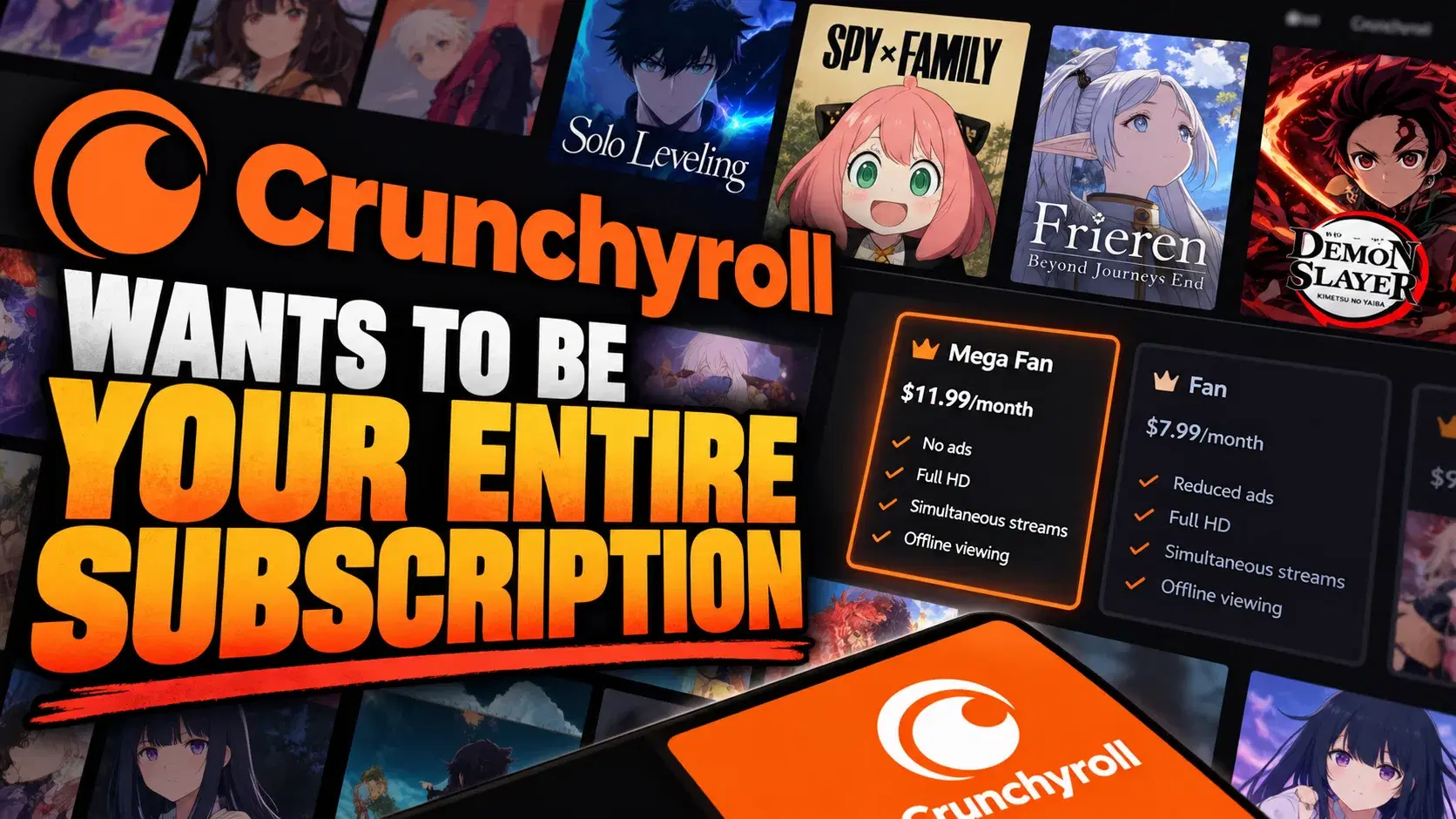
Because isekai is such a broad category, availability depends on the specific series, your region, and whether you prefer subtitles or English dubs. Crunchyroll is the most common home for many modern fantasy and light-novel adaptations, including several entries in the Re:ZERO -Starting Life in Another World- and Mushoku Tensei: Jobless Reincarnation orbit. HIDIVE, Netflix, Hulu, and other regional services may carry selected titles depending on licensing windows.
The practical advice: search by exact title, then check sub and dub availability before starting. Some isekai are best experienced with a strong dub cast, especially comedies like KonoSuba: God's Blessing on This Wonderful World!, while tense dramas like Re:ZERO -Starting Life in Another World- work beautifully either way. Otaku Den tracking pages are also useful for keeping your watchlist organized across sequels, specials, and spin-offs.
Is Isekai Worth Watching?
Yes, isekai is absolutely worth watching, but not every isekai is worth watching for every viewer. If you want high-stakes fantasy drama, start with Re:ZERO -Starting Life in Another World-. If you want chaotic comedy, go with KonoSuba: God's Blessing on This Wonderful World!. If you like long-form character growth and fantasy society-building, Mushoku Tensei: Jobless Reincarnation and That Time I Got Reincarnated as a Slime are stronger fits. If you want a darker ruler fantasy, Overlord has a very different flavor.
Who might not enjoy it? Viewers who dislike RPG terminology, overpowered protagonists, or familiar fantasy setups may bounce off the weaker entries quickly. The genre has genuine repetition, and some shows rely too heavily on wish fulfillment without enough conflict or characterization.
Otaku Insider's take: do not judge isekai as one giant blob. Treat it like superhero fiction or mystery fiction. Some entries are formulaic comfort food; others are ambitious, weird, and emotionally intense. The trick is matching the subtype to your taste.
Similar Anime to Isekai
If you want a starter pack, these picks cover the major lanes without requiring you to love every corner of the genre.
- Re:ZERO -Starting Life in Another World-: Best for viewers who want psychological pressure, emotional stakes, and a fantasy world that refuses to behave like a power trip.
- KonoSuba: God's Blessing on This Wonderful World!: The essential comedy pick. Watch this when you already understand heroic fantasy and want to see it lovingly roasted.
- Mushoku Tensei: Jobless Reincarnation: A major reincarnation isekai for fans interested in a life-spanning fantasy journey with detailed world-building.
- That Time I Got Reincarnated as a Slime: A friendly gateway into nonhuman reincarnation, community-building, and the pleasure of watching a fantasy society grow.
- Overlord: Ideal if you want game-world mechanics, antihero energy, and the unsettling question of what happens when the strongest person in the room is not exactly human anymore.
- The Rising of the Shield Hero: A summoned-hero story built around distrust, survival, and rebuilding from rock bottom.
- Restaurant to Another World: A cozy alternative for anyone who likes fantasy but wants atmosphere, food, and cultural encounters more than battles.
- The Devil is a Part-Timer!: The reverse-isekai pick, perfect for viewers who enjoy fantasy characters colliding with modern everyday life.
The bottom line: isekai is not just one trend, even if the production pipeline sometimes treats it like one. It is a toolbox. When creators use that toolbox with purpose, another world can still feel brand new.
Sources
- [1] The Oxford English Dictionary Adds 'Isekai', 'Fan Service' and 'Tokusatsu', Other Japanese Words - Crunchyroll News (crunchyroll.com)
- [2] Isekai Anime Explained: Unraveling Japan's Beloved Fantasy Genre | Japan Anime News powered by ORICON NEWS (us.oricon-group.com)
- [3] A Survey of the Story Elements of Isekai Manga – DOAJ (doaj.org)
- [4] O Estado de Isekai Anime - All Things Anime (anime.atsit.in)
- [5] Crunchyroll to Stream "Re:ZERO -Starting Life in Another World-" Anime - Crunchyroll News (crunchyroll.com)
- [6] 15 Essential Isekai Anime to Watch on Crunchyroll - Crunchyroll News - Crunchyroll News (crunchyroll.com)
- [7] My Next Life as a Villainess: All Routes Lead to Doom! - Crunchyroll Spring 2020 Spotlight - Crunchyroll News (crunchyroll.com)
- [8] Source (group.kadokawa.co.jp)
- [9] Translation (fs2.magicalir.net)
- [10] Crunchyroll Summer 2026 Anime Season Lineup Announced! - Crunchyroll News (crunchyroll.com)
- [11] The Anime Awards - Crunchyroll (crunchyroll.com)
- [12] Mushoku Tensei (TV series) (en.wikipedia.org)
- [13] AURA BATTLER DUNBINE|List of Works|SUNRISE (sunrise-inc.co.jp)
- [14] Full Clearing Another World under a Goddess with Zero Believers Anime Debuts in October - Crunchyroll News (crunchyroll.com)
- [15] Witch Hat Atelier: Original Soundtrack to the Anime Series With Music by Yuka Kitamura Available Everywhere Now From Milan Records (ANN)
- [16] Anime "Skeleton Knight in Another World" Season 2 Airs from July 2026: Pre-registration for the Isekai Adventure RPG "Skull Brave" Now Open (ANN)
- [17] BanG Dream! Yume∞Mita Anime Gets Manga Adaptation, Mugendai Mewtype Keyboardist Miyako Fuji Launches New Manga (ANN)
- [18] Rudy, Roxy and Sylphie Return to Everyday Life in Mushoku Tensei Season 3 Episode 3 Preview (ANIME_CORNER)
- [19] Everyday HOST CLUB Anime Returns in January 2027 (CRUNCHYROLL)
- [20] Suikoden: The Anime Producer Ryo Hino offers, comments production, everything else at NBC Universal panel at Anime Expo 2026 (Murciélago, From Old Country Bumpkin to Master Swordsman Season 2, More (ANN)
- [21] Everyday Host Anime Sequel Series to Premiere in January 2027 (ANN)
- [22] 'Lv2 kara Cheat datta Motoyuusha Kouho no Mattari Isekai Life' Gets Second Season (MAL_RSS)
- [23] 'Hitoribocchi no Isekai Kouryaku' Second Season in Production (MAL_RSS)
- [24] 'Shinja Zero no Megami-sama to Hajimeru Isekai Kouryaku' Announces Production Staff, Main Cast, Fall 2026 Premiere (MAL_RSS)
- [25] Newtype Global Will Go on Sale at Anime Expo 2026; Includes a Cover, Special Feature, and Poster for Daemons of the Shadow Realm (ANN)
- [26] The Season of Isekai Anime: 15 Titles From Another World Releasing in Summer 2026 (ANIME_CORNER)
- [27] Crunchyroll News x Newtype Returns for Summer 2026 Magazine (CRUNCHYROLL)
- [28] 'Gaikotsu Kishi-sama, Tadaima Isekai e Odekakechuu II' Reveals Additional Cast, Second Promo (MAL_RSS)
- [29] 505 Games to Publish ExeKiller, the Retro-Futuristic Western FPS Where Every Choice Has Consequences (ANN)
Written by Ranen with AI support — Ranen picks every story, shapes the angle, and reviews each article before it's published. Learn more in our editorial policy.