Yu-Gi-Oh!
遊☆戯☆王 デュエルモンスターズ (Yu☆Gi☆Oh! Duel Monsters)
- Action
- Adventure
- Fantasy
- Strategy Game
- Episodes
- 224
- Duration
- 23 min per ep
- Aired
- Apr 18, 2000 to Sep 29, 2004
- Status
- Finished Airing
Synopsis
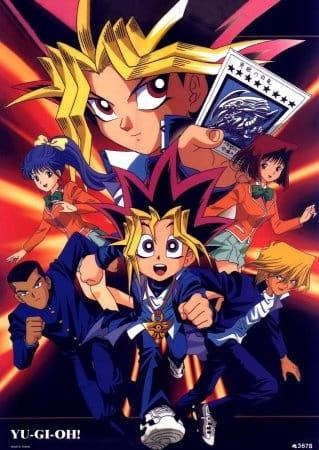
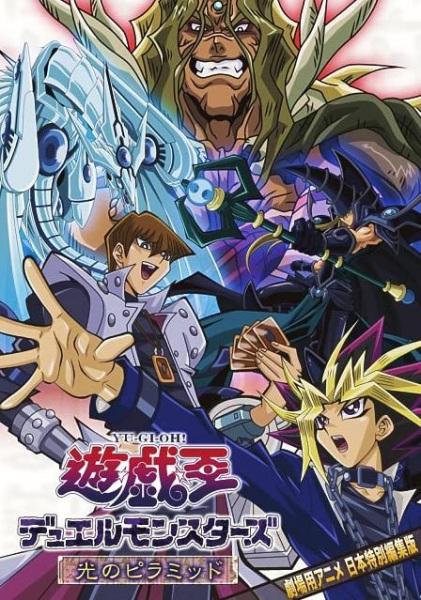
Yuugi Mutou, a shy high schooler with a deep love of games, spends time at his grandfather’s game shop and discovers an ancient Egyptian artifact called the Millennium Puzzle. Said to grant a wish to whoever solves it, Yuugi dedicates himself to completing the puzzle in hopes of gaining friends—and after years of effort, he finally succeeds, with mysterious consequences.
As the card game Duel Monsters sweeps in popularity, Yuugi proves himself a talented duelist, using monsters alongside magic and trap cards to outthink opponents. His newfound peace is shattered when Seto Kaiba, an arrogant billionaire and undefeated duelist, kidnaps Yuugi’s grandfather and forces a high-stakes duel over the rare Blue-Eyes White Dragon. With darker forces moving behind the scenes and the spirit of a nameless pharaoh awakening within the puzzle, Yuugi is pulled into escalating battles where strategy and resolve become the keys to protecting what matters most.
Otaku Consensus
Gallop and director Kunihisa Sugishima turn a card-game tie-in into a durable shounen institution, with Battle City standing as the clearest proof that tournament structure, mythic backstory, and character rivalry can carry enormous dramatic weight. Its reputation remains split in a productive way: viewers praise the 224-episode accumulation of rivalries and identity drama, while the most persistent criticism is that its pacing, rule logic, and commercial card-selling machinery can be glaringly uneven.
Why You Should Watch
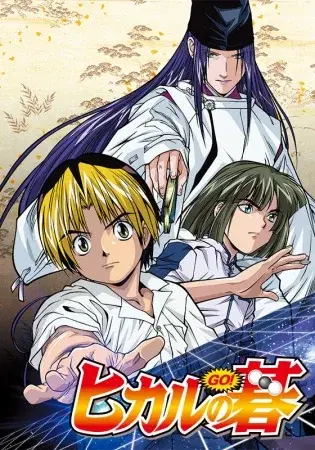
Watch Yu-Gi-Oh! Duel Monsters if you want strategy battles where the “weapon” is decision-making, bluffing, deck identity, and psychological pressure rather than martial-arts choreography. It scratches a similar itch to Hikaru no Go’s competitive mind games and Dragon Ball Z’s escalating rival showdowns, but filters both through card-table theater, ancient-myth flavor, and gleefully outsized stakes. The appeal is not realism; it is watching characters treat every draw, trap, and comeback as a moral declaration. Viewers who enjoy long-form shounen payoffs will get the most from it, because its strongest material comes from watching relationships, rivalries, and the Pharaoh mystery gain meaning across dozens of duels. If you want airtight game rules above all else, its famous looseness may frustrate you; if you want operatic strategy melodrama, that looseness is part of the charm.
Key Characters
- YYuugi Mutou
Yuugi is compelling because the series frames games as an emotional language, turning his gentleness, courage, and divided sense of self into the heart of its shounen psychology.
- SSeto Kaiba
Seto Kaiba is the rare rival whose arrogance is inseparable from his iconography, with the Blue-Eyes White Dragon functioning as both a status symbol and a personal philosophy.
- NNameless Pharaoh
The Nameless Pharaoh gives the anime its mythological spine, tying card battles to themes of amnesia, identity, and ancient Egyptian legacy rather than simple competition.
What Makes It Stand Out
- 1
Studio Gallop’s 2000-2004 adaptation ran for 224 episodes, making it the definitive long-form television version for the global fandom rather than a short promotional offshoot.
- 2
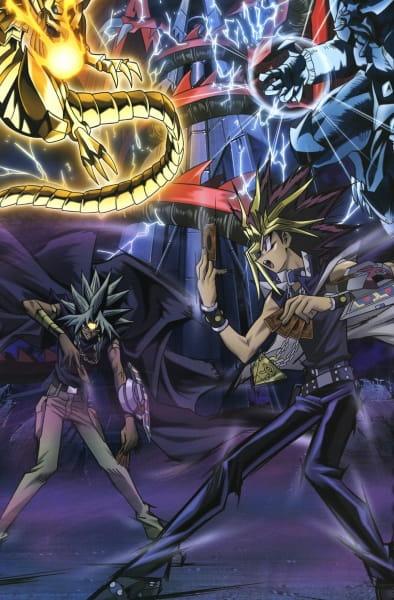
The series is built around proxy battles: conflicts are externalized through monsters, magic cards, and trap cards, letting strategy function as characterization instead of mere rule demonstration.
- 3
Shinkichi Mitsumune’s music and Takuya Hiramitsu’s sound direction help give duels a ritualistic weight, pushing card reveals and reversals closer to arena spectacle than tabletop play.
- 4
Character designers Takahiro Kagami and Shingo Araki helped define the sharp silhouettes, dramatic hair shapes, and theatrical expressions that made the Duel Monsters cast instantly readable even outside the anime.
- 5
The anime’s tag profile is unusually hybrid for a card-battle show, combining shounen competition with urban fantasy, mythology, historical elements, dissociative identity themes, dragons, magic, and amnesia.
Fun Facts & Trivia
- Fun fact 1
- Yu-Gi-Oh! Duel Monsters was not the first anime version of Kazuki Takahashi’s manga; a separate 1998 Toei Animation series is often nicknamed “Season 0” by fans because of how removed it is from the later global TV phenomenon.
- Fun fact 2
- The franchise’s anime presence has been described as running in one incarnation or another for roughly 25 years, while the real-world card game has continued alongside it.
- Fun fact 3
- Junki Takegami scripted many important clusters of episodes, including the opening pair, multiple late-Duelist Kingdom installments, and stretches across the show’s major middle-era run.
- Fun fact 4
- The theme-song credits include Aki Maeda performing the first ending theme and Kimeru performing the fourth opening, reflecting how the series cycled pop-anime presentation across its long broadcast.
- Fun fact 5
- On database reception, the show sits in a distinctive middle ground: a 7.51 MAL score and 73/100 AniList score indicate broad affection, while its higher popularity than rank reflects a series more culturally embedded than universally polished.
Studios
- Gallop